Accepted inventory for this route
Unused welding cable on reels or in factory coilsLong used welding leads with disclosed conditionFlexible copper cable without hidden splices or severe jacket damage
Flexible copper welding cable in usable coils, reels, and cut lengths.
Electrical Wire Buyers reviews documented welding cable for potential reuse or recovery, including full reels, partial spools, and usable cuts. Any offer depends on construction, quantity, condition, location, and current requirements.
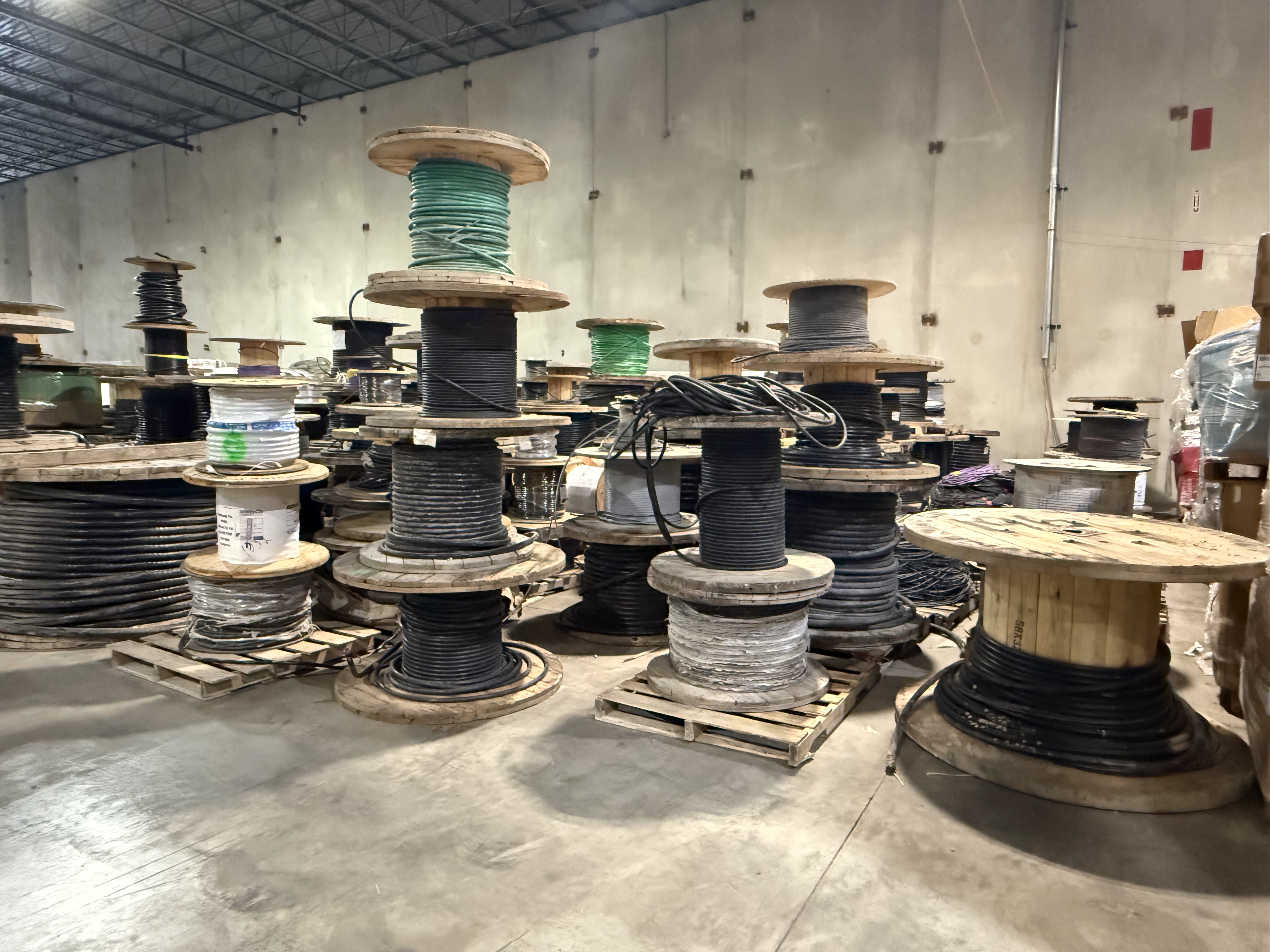
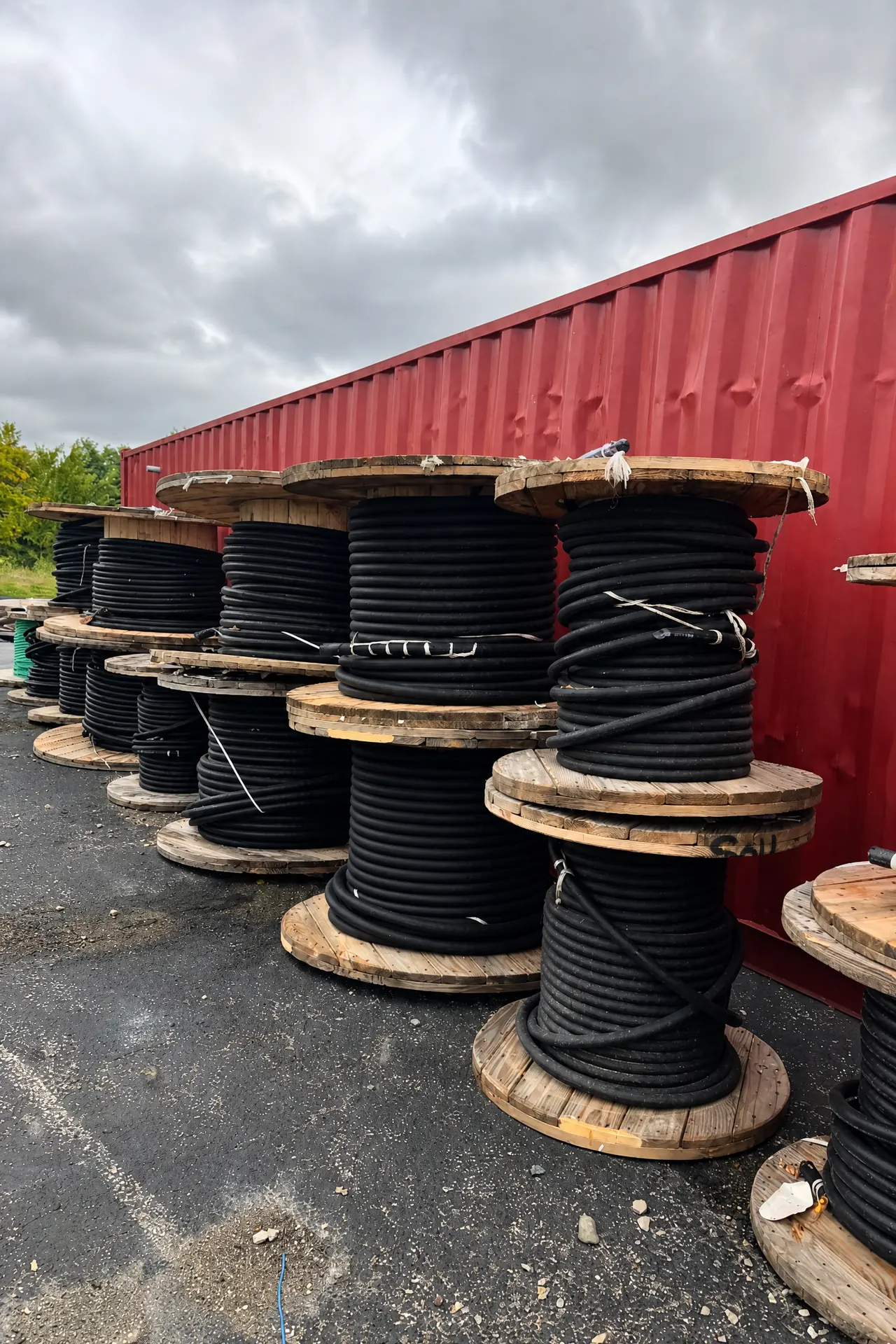
Material may come from canceled construction projects, completed jobs, demolition recovery, overstock orders, warehouse liquidations, and plant decommissions. Send the documented commercial lot for review.
Use the relevant city or state route to document the actual pickup location, access, and loading conditions:
Welding cable is evaluated as flexible copper cable, not by color alone. Gauge, strand construction, jacket rating, length, abrasion, heat exposure, repairs, and attached electrode or lug hardware should be visible.
Photograph the jacket legend for welding, SO, SOW, or other flexible cable, including conductor count, gauge, voltage, temperature rating, and any oil-, water-, or sunlight-resistance markings.
Sort usable cut lengths from short scrap pieces and record the approximate length range for each size. Long, identifiable cuts can be evaluated differently from tangled, damaged, or unlabeled material.
Coil and band long leads without tight kinks. State total coil count, approximate weight, palletization, connector handling, and whether material is mixed with other flexible cable.
Yes. Show connector type, lugs, repairs, jacket wear, copper ends, gauge, lengths, coil count, and whether attached hardware can be removed safely.
Welding cable is suitable for condition review when the gauge, copper construction, continuous length, and jacket markings are clearly documented and legible. Leads fitted with connectors, repaired sections, severe abrasion, or uncertain identity must be kept separate from clean coils to avoid obscuring usable continuous lengths and actual condition.
Flexible welding cable is evaluated on confirmed construction, gauge, remaining continuous length, jacket integrity, visible attachments, and the documented quantity rather than on copper weight alone. Connectors, repairs, or exposed conductor reduce usable length and change the condition profile for those items. Separate condition groups preserve clarity when comparing clean coil stock to repair-bearing or connectorized leads.
Specify coil or reel gross and net weights, palletization method, and the storage location constraints that affect how coils must be accessed for inspection. Note whether any attached equipment or connectors alter handling needs and include elevator or doorway dimensions needed to reach the storage position. Those access and dimension facts should be documented in writing before arranging a site inspection for condition verification.
Photograph both faces of each connector, show the attachment method and whether the connector is permanently crimped or removable, include clear images of the cable ends and jacket markings, and list connector-bearing leads separately for evaluation of removable hardware.
Repairs, splices, exposed conductors, or significant jacket damage reduce usable continuous length and alter safety and reuse considerations; isolating repaired cable prevents those issues from being hidden within otherwise clean coil quantities and supports accurate condition assessment.