Accepted inventory for this route
Commercial building wire and MC cable in labeled packagesFeeder conductors in long, reusable cuts or on reelsGrounding conductor and clean removed cable sorted by size
Prepare surplus, used, and leftover electrical wire located in New York, New York for commercial review, including THHN, XHHW, MC cable, copper, aluminum, and documented mixed lots. Any offer, freight, loading, pickup, timing, and payment terms depend on the submitted material, location, written terms, and approval.
If your commercial wire lot is located in New York, document the material and the party authorized to release it before requesting a buyer review.
Group building or feeder wire by conductor, gauge or kcmil size, insulation and usable length. Show reel, carton, or pallet counts; photograph readable jacket or reel markings, cut ends, packaging and any damage. Give the actual material location, loading access and available quantity. Reusable inventory and recovery-only wire may require different evaluation.
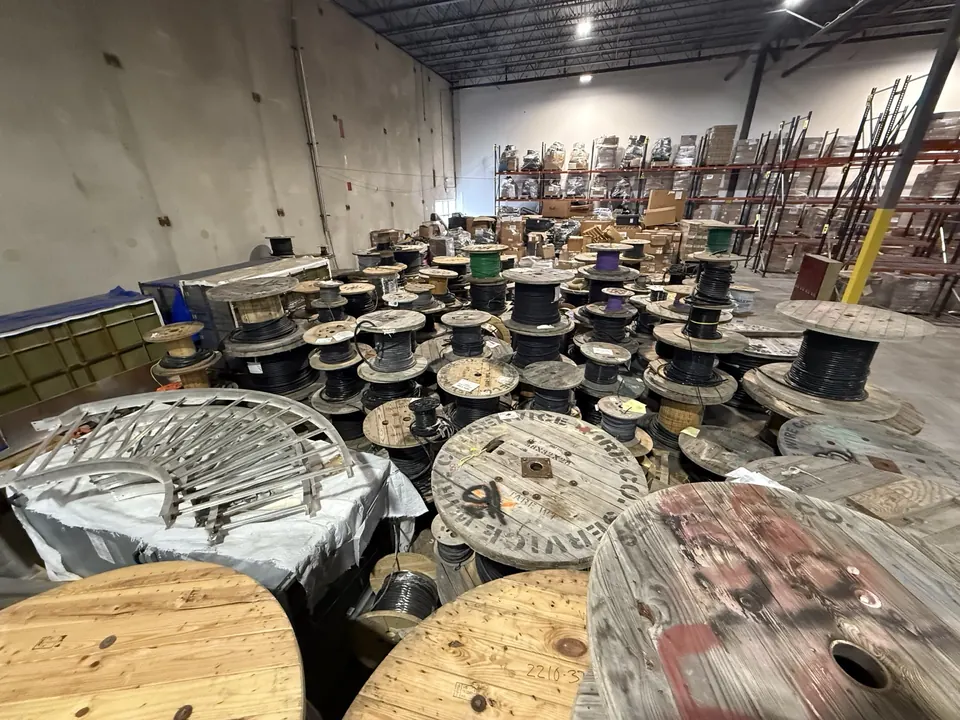
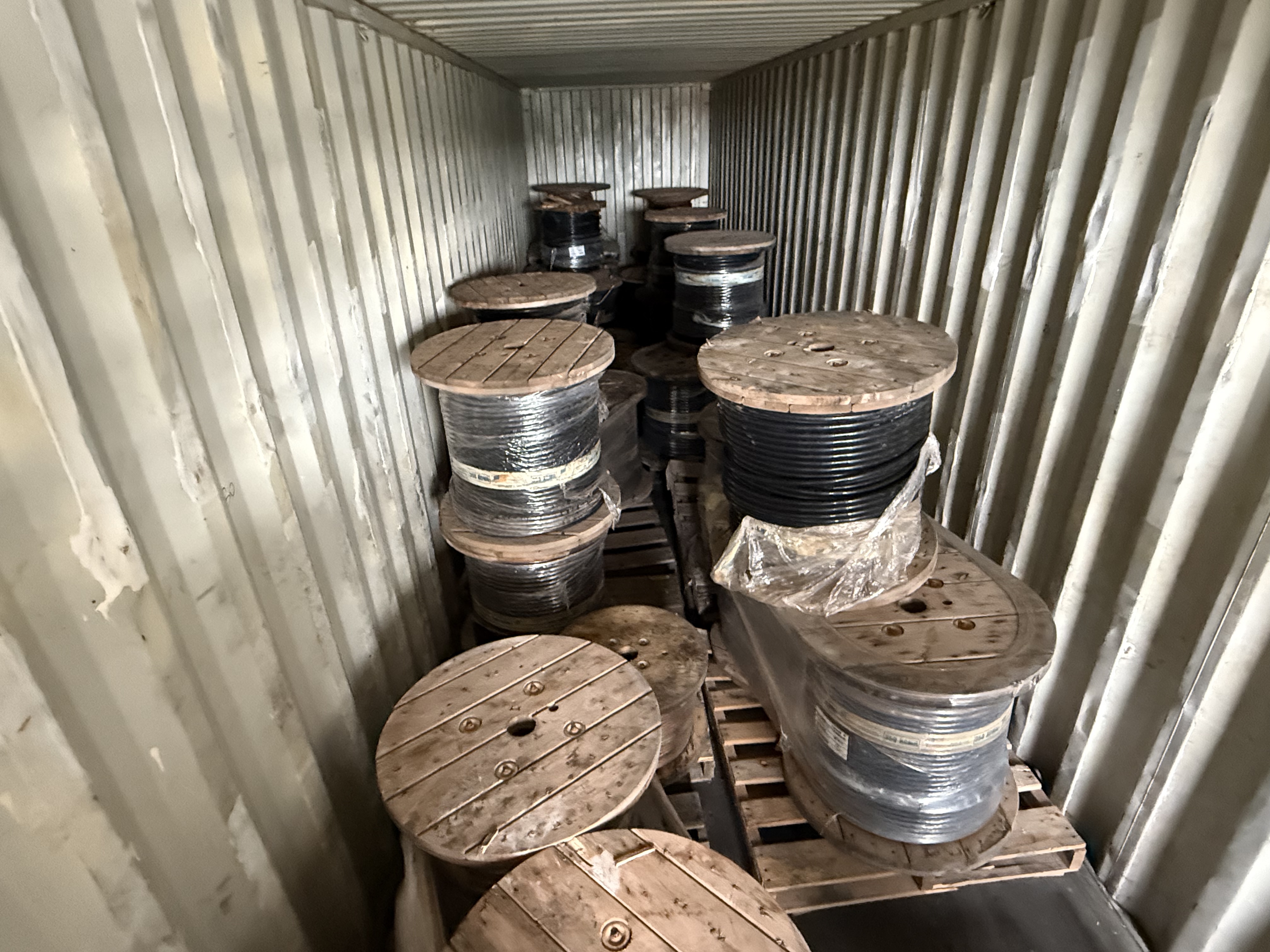
New York City inventory may come from commercial fit-outs, property renovations, electrical contracting, facility upgrades, and decommissioning projects.
New York City sellers should organize the material list around both product identity and removal access. Compact, labeled bundles are easier to evaluate than loose wire spread across multiple floors.
For removed cable, show the jacket legend, clean conductor ends, insulation condition, and any contamination, splices, crushing, heat damage, or water exposure. State whether the material was pulled intact or cut during removal.
Sort usable cut lengths from short scrap pieces and record the approximate length range for each size. Long, identifiable cuts can be evaluated differently from tangled, damaged, or unlabeled material.
Include building hours, freight-elevator reservation, loading-zone constraints, labor or rigging responsibilities, and whether material can be palletized before collection.
Provide floor, freight-elevator and doorway dimensions, loading-zone timing, pallet or reel weights, required insurance or appointments, and who can stage the material.
New York City material can be easy to identify but difficult to move. Packaged wire, MC cable, long feeder cuts, grounding copper, and removed conductor should be inventoried with floor, freight-elevator, doorway, loading-zone, labor, and staging facts.
List package or reel labels, conductor, size, construction, counts, lengths, condition, and full quantity for each storage area.
Record floor, freight elevator, stairs, doors, turns, weight limits, protection, labor, cart or pallet use, and travel to street level.
State legal loading area, reservation, building hours, insurance or appointment requirements, material weights, site contact, and release date.
Provide elevator and doorway dimensions, loading-zone schedule, truck restrictions, labor and cart needs, pallet or reel weights, insurance or appointment rules, building contact, staging plan, and approved removal hours.
Floor, elevator size and weight, doors, protection, labor, route, loading-zone time, and bundle or reel weight determine whether the material can reach a truck safely.
Use a separate location and quantity section for each floor or room, then state who will consolidate, label, stage, and move the material within the approved building window.
This New York submission involves long removed feeder runs, MC cable packages, and grounding conductor stored across floors of a commercial building with constrained vertical access. Documentation must identify material by floor or room and by handling unit so that long pulled feeder lengths grouped by floor can be compared without conflating packaged stock with in-place removals. Note any elevator, doorway, or staging constraints adjacent to each material group to make the vertical-staging implications explicit for reviewers.
Evaluators will weigh reliable length evidence and continuous footage claims more heavily than gross weight when material is reported as long pulled feeder lengths grouped by floor; continuity and readable marking reduce uncertainty. Packaging condition, aggregate footage per floor, damage to insulation or armor, and constrained vertical access together affect whether the submitted lot matches typical commercial feeder stock handling assumptions. Any comparative determination requires complete floor-by-floor documentation and confirmation of elevator or access constraints relevant to the lot.
Provide floor numbers, elevator dimensions, door clearances, aisle widths, appointment or access-control requirements, and any legal loading-zone details that could affect vertical staging or movement within the building. Indicate whether freight-elevator ratings and building approvals are documented, since staging and labor plans cannot be assessed without those verified access facts and agreed written terms. Sellers should explicitly resolve how each floor group would reach the elevator or loading point given measured doorway and elevator geometries.
Document long pulled feeder lengths grouped by floor by recording the conductor type, approximate continuous footage method, visible jacket or armor markings, and a floor-level location identifier; any assessment of footage continuity and condition is conditional on full, floor-referenced documentation and stated measurement methods.
Provide measured elevator interior dimensions, doorway clearances, ramp or corridor widths, appointment or access requirements, and the freight elevator weight or dimensional rating so the vertical-staging implications for each floor group can be evaluated; an access determination will depend on those verified building facts and any required approvals.
Select a relevant guide for construction and quantity evidence, or open the complete wire directory if your lot does not fit these common commercial categories.