Accepted inventory for this route
Building wire, MC cable, and contractor overstockFeeder, service, URD, and USE-2 cableIndustrial tray, portable power, and removed conductor
Prepare surplus, used, and leftover electrical wire located in California for commercial review. Freight or pickup is considered only after material, location, loading, and written purchase terms are approved.
Contractors, warehouses, facilities, utilities, demolition sites, and authorized project owners can submit documented copper and aluminum wire located in California.
Commercial quantities can include full reels, partial surplus reels, mixed building wire, large feeder cable, and removed-from-service conductor. Send photos and location details for review; any offer and logistics plan depends on written terms and approval.
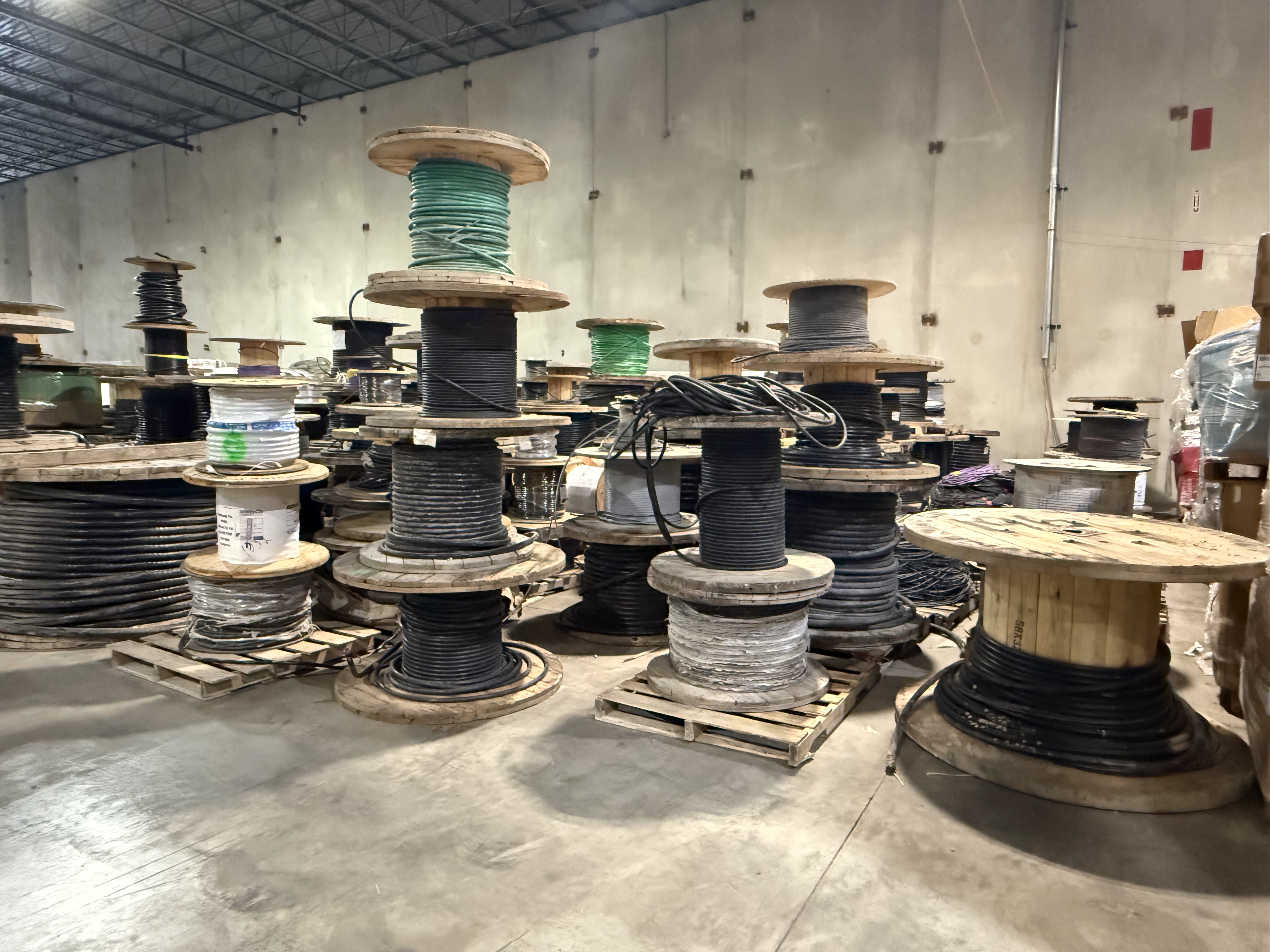
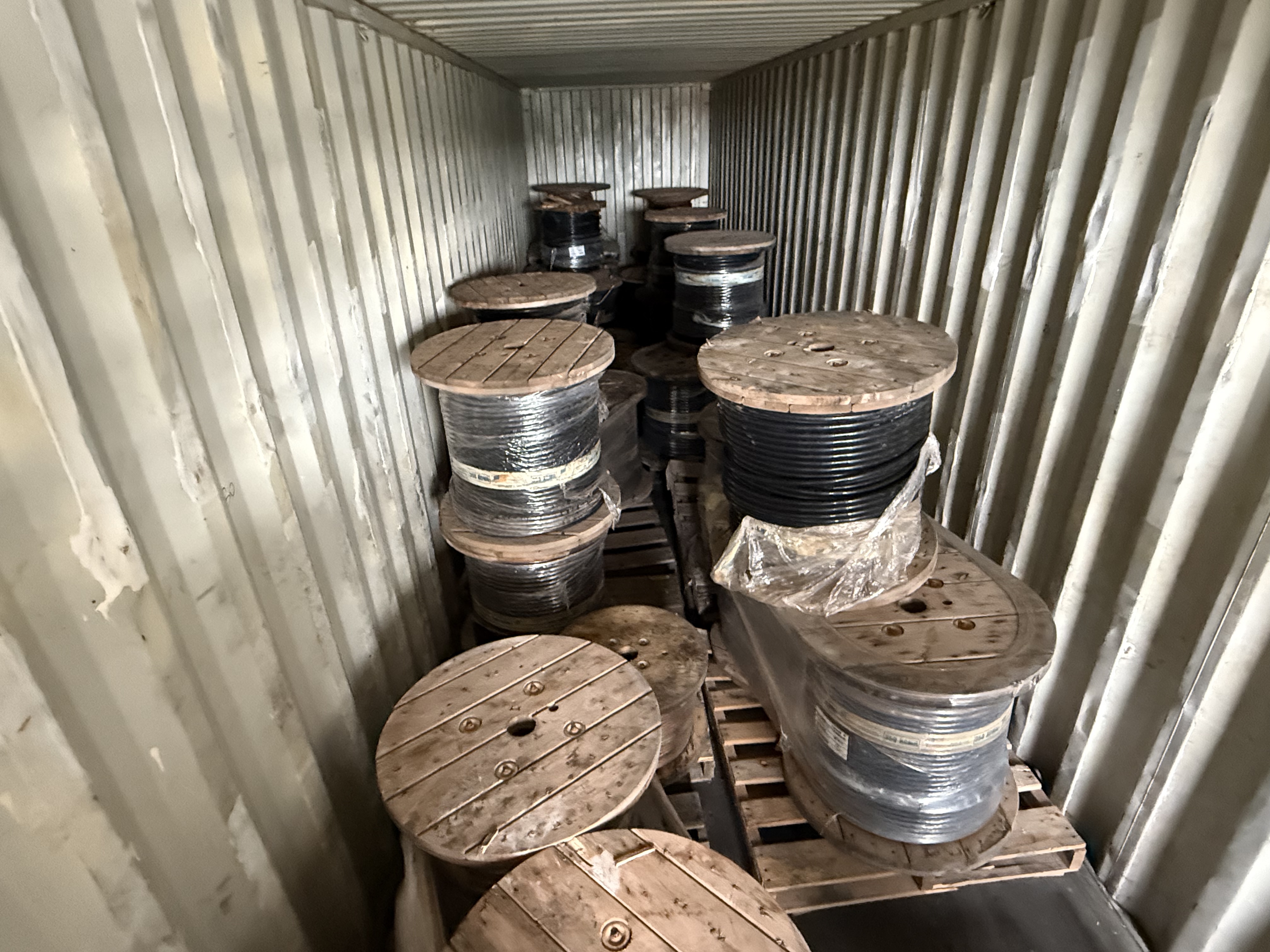
California sellers can submit commercial wire lots from major metro areas and statewide projects, including contractor surplus, facility inventory, and removed conductor.
California sellers should document the exact city and site for every lot, separate indoor packaged inventory from outdoor reels or removed cable, and avoid unsupported claims about local offices or guaranteed values.
Separate the lot by visible label whenever practical: wire family, copper or aluminum, gauge or MCM size, conductor count, and new-versus-removed condition. Unknown material can still be reviewed when the jacket and cut ends are photographed clearly.
Group unlike wire into a simple inventory: type, size, conductor, package, and estimated quantity. Counts by reel, coil, carton, pallet, or loose bundle are more useful than one combined weight when the mix has different resale paths.
List each California city, appointment or security process, dock or yard conditions, forklift or crane capacity, weights, release dates, and consolidation options.
Yes. Keep separate inventories, photo sets, contacts, access plans, and release dates for each site so freight and handling can be evaluated accurately.
A California request should name the actual pickup city and show what is stored at each address. Packaged contractor wire, facility cable, flexible cord, URD or service reels, and removed conductor should not be blended into a statewide quantity.
Count cartons, coils, pallets, labels, opened stock, returns, mixed SKUs, and rack or aisle position.
Record reel tag, conductor, size, footage, dimensions, weight, ground contact, covering, sunlight, moisture, and jacket condition.
Give every city its own owner or contact, inventory, photos, access, appointments, equipment, release date, and consolidation note.
Record dock, yard, alley, gate, road, secured-site, forklift, crane, rack, pallet, reel, carrier, and appointment requirements at each address. Distance and consolidation are reviewed after weights and release dates are known.
Use separate site sections with their own products, quantities, photos, contacts, access, equipment, weights, and dates. Then state whether consolidation is physically authorized and practical.
Show covering, ground contact, sunlight, moisture, jackets, ends, tags, reel structure, footage, weight, yard access, and current protection without assuming unseen damage.
A statewide California submission can include commercial stock split among a coastal warehouse, an inland yard, and individual project storage, so each address must carry its own count and access record. Each site requires discrete documentation of condition, package markings, and release status rather than merging records across locations. Reconciling material across addresses depends on consistent identification of conductor metal, gauge, and package markings at every listed site.
Label consistency, count accuracy, ownership documentation, and released quantity records at each address determine what can be analyzed for the statewide lot. The review will also weigh condition, commercial scale, storage environment, and site-specific access constraints when comparing addresses. Consolidation or cross-site reconciliation requires that identifying marks and counts align across the separate inventory sets.
When inventory is split among addresses, present quantities and site-specific access facts for every location and state whether authorized consolidation has been proposed and by whom. For each site include dock dimensions, ground access conditions, loading clearances, and any appointment requirements that affect material movement. Operational handling and any consolidation arrangements can only be determined once individual site counts are verified and written release instructions are provided.
Provide a separate inventory and photo set for each California address, identify the authorized party for consolidation if one exists, and state whether consolidation is proposed; analysis of combined quantities depends on verified release and confirmed counts.
For each site list storage position, dock or ground access characteristics, doorway and elevator clearances, piece dimensions and weights that affect handling, and any appointment or permit requirements; these details inform review but do not establish a transfer commitment without confirmed release instructions.
Every location below is a direct crawlable link, preserving the former state-hub architecture.