Accepted inventory for this route
MC cable and building wire from commercial projectsCopper feeder conductors in coils or long cutsTagged warehouse reels and unopened cartons
Prepare surplus, used, and leftover electrical wire located in Boston, Massachusetts for commercial review, including THHN, XHHW, MC cable, copper, aluminum, and documented mixed lots. Any offer, freight, loading, pickup, timing, and payment terms depend on the submitted material, location, written terms, and approval.
If your commercial wire lot is located in Boston, document the material and the party authorized to release it before requesting a buyer review.
Group building or feeder wire by conductor, gauge or kcmil size, insulation and usable length. Show reel, carton, or pallet counts; photograph readable jacket or reel markings, cut ends, packaging and any damage. Give the actual material location, loading access and available quantity. Reusable inventory and recovery-only wire may require different evaluation.
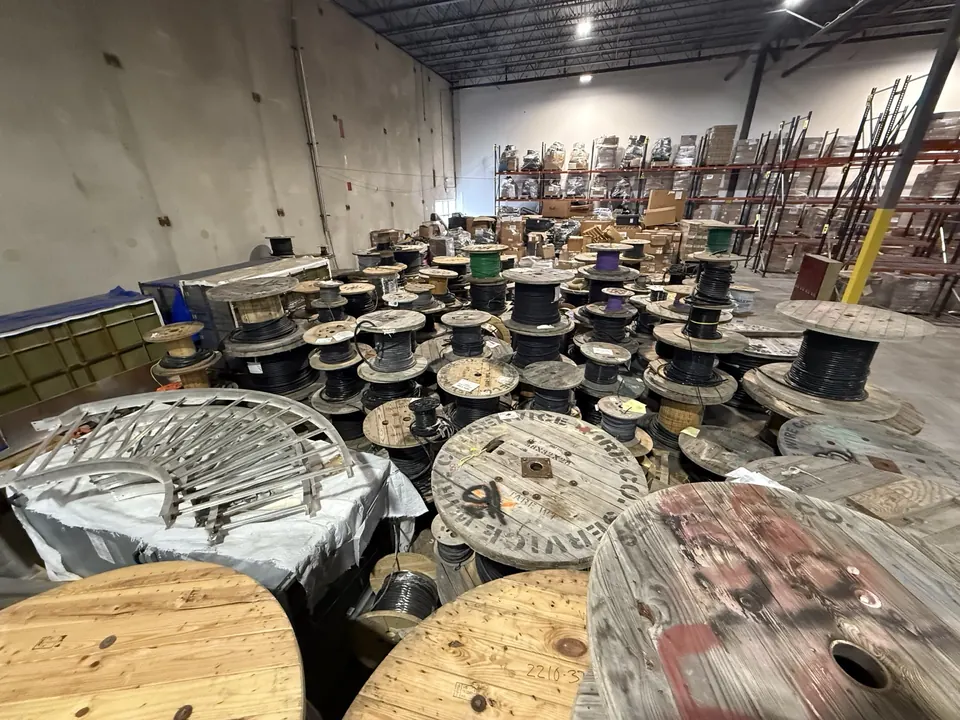
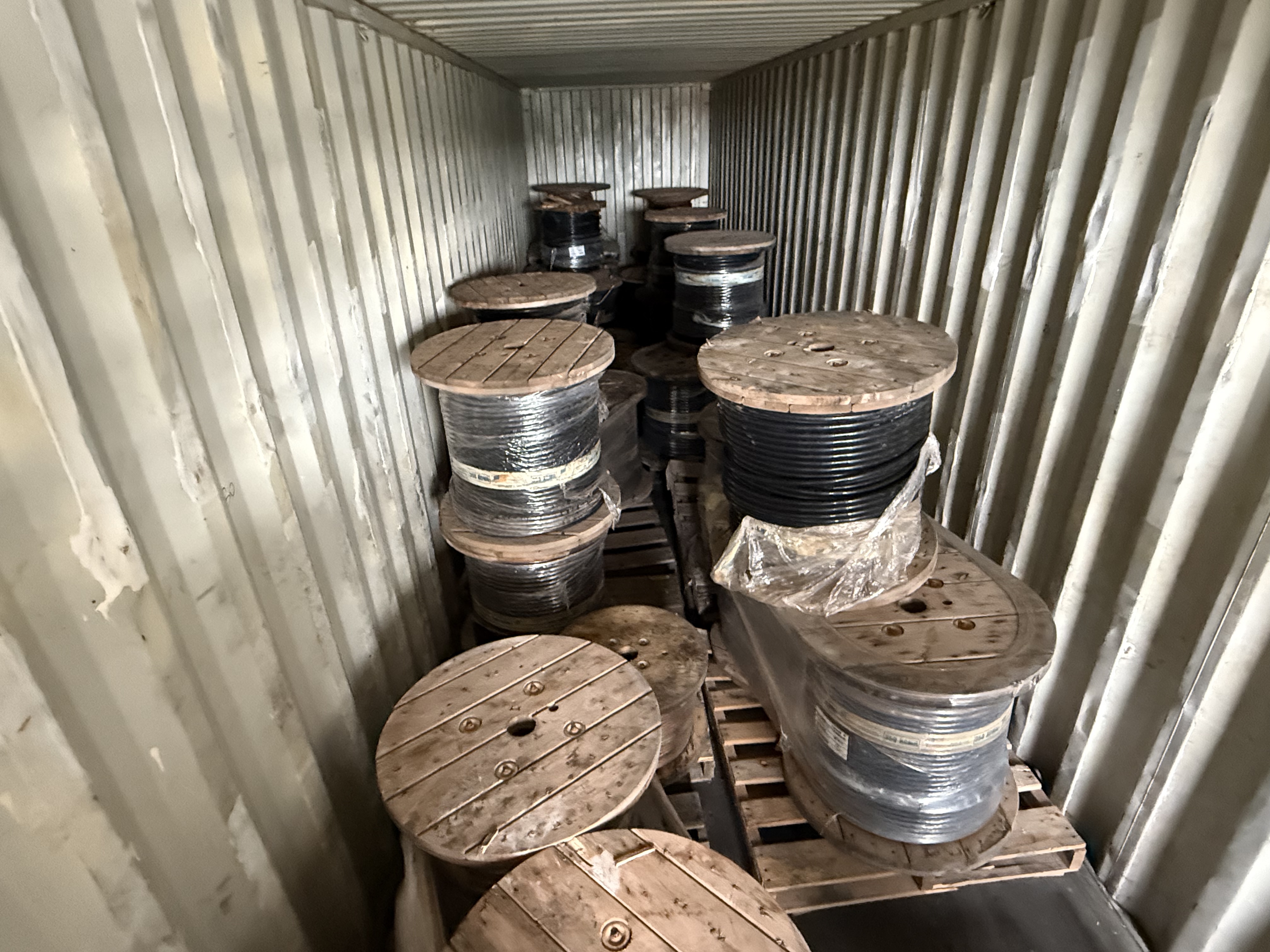
Boston-area lots may include building wire, MC cable, feeder cable, and project surplus from commercial construction, facility upgrades, and electrical contractors.
Boston-area wire submissions should document compact storage, building access, and whether material is packaged project surplus or cable removed in long reusable lengths.
Record the armor style, conductor count, gauge, ground conductor, coil or reel label, and any printed MC cable designation. Include an end view that shows both the armor and insulated conductors.
Sort usable cut lengths from short scrap pieces and record the approximate length range for each size. Long, identifiable cuts can be evaluated differently from tangled, damaged, or unlabeled material.
Describe freight-elevator scheduling, loading-zone or alley access, floor level, palletization, weather protection, and any certificate or appointment process.
List conductor count and gauge, coil or reel quantity, armor and jacket condition, approximate lengths, storage floor, and the route to a legal loading point.
Boston-area submissions often involve MC cable, boxed building wire, and feeder bundles stored in compact interior locations with scheduled or restricted access, and each material group must be separated for clear condition and quantity records. Keeping armored cable, small-diameter packaged wire, and feeder bundles distinct prevents interior storage constraints from obscuring condition or handling-unit information.
Reviewer focus for compact interior storage is on identity, package integrity, accessible quantity, and the practical constraints of reaching and handling the material in place. Reel weight, package condition, and in-building access dimensions influence whether the documented lot is workable for further technical assessment. Preserving the distinction between packaged stock, armored MC, and feeder bundles ensures an accurate appraisal of condition and handling constraints.
For material inside a multilevel or access-controlled building, document the storage floor, elevator cab dimensions or service-elevator allowance, doorway clearances, appointment procedures, and any building permissions that affect entry to the storage position. Describe weight and dimension constraints that change how packages must be handled within the building and note whether in-building access is restricted to certain hours or personnel. Resolve these written access constraints and permissions before requesting an on-site condition inspection.
List compact armored-cable quantities and long copper cuts on separate inventory lines, include coil and package labels, state the quantity basis (count or footage), photograph representative ends and jacket legends, and note any estimates or verified counts; final condition appraisal depends on complete documentation and confirmed in-building access constraints.
Provide the storage position, route to the service-elevator or ground-level access, elevator cab and doorway dimensions, the maximum weight or size permitted, site permission rules, and any required credentials; these access facts determine whether staged inspection is feasible and should be confirmed in writing.
Select a relevant guide for construction and quantity evidence, or open the complete wire directory if your lot does not fit these common commercial categories.