Accepted inventory for this route
MC cable and branch-circuit building wireCopper feeder cable in long pulled lengthsWarehouse reels and contractor closeout inventory
Prepare surplus, used, and leftover electrical wire located in Philadelphia, Pennsylvania for commercial review, including THHN, XHHW, MC cable, copper, aluminum, and documented mixed lots. Any offer, freight, loading, pickup, timing, and payment terms depend on the submitted material, location, written terms, and approval.
Contractors, demolition firms, facilities, plants, warehouses, distributors, utilities, and authorized project owners may submit documented material located in the Philadelphia area.
Send clear photos, conductor type, gauge or kcmil size, approximate footage or weight, condition, ownership and release status, and the actual pickup location. Full reels, partial reels, and removed cable are reviewed according to the evidence supplied and current requirements.
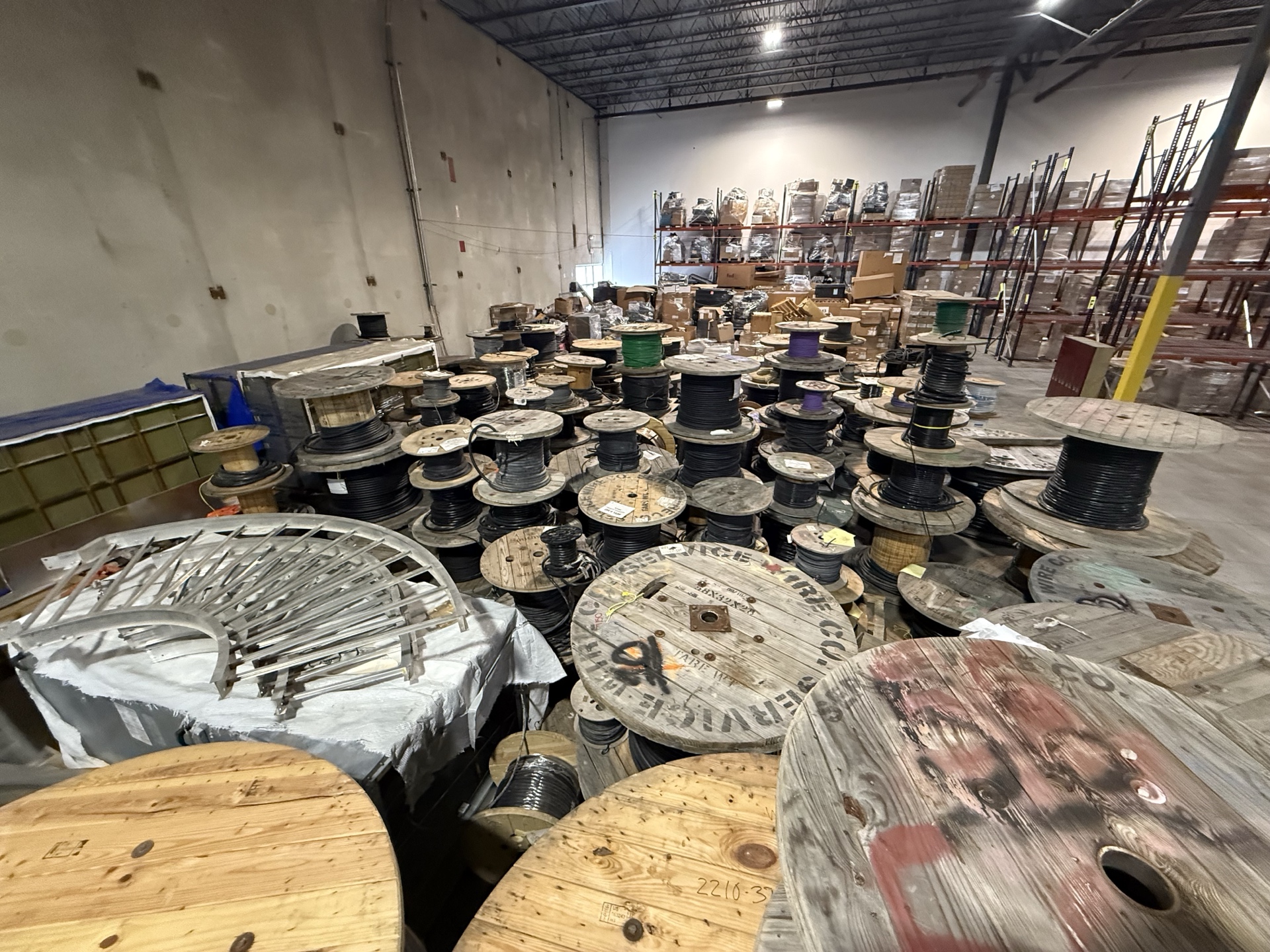
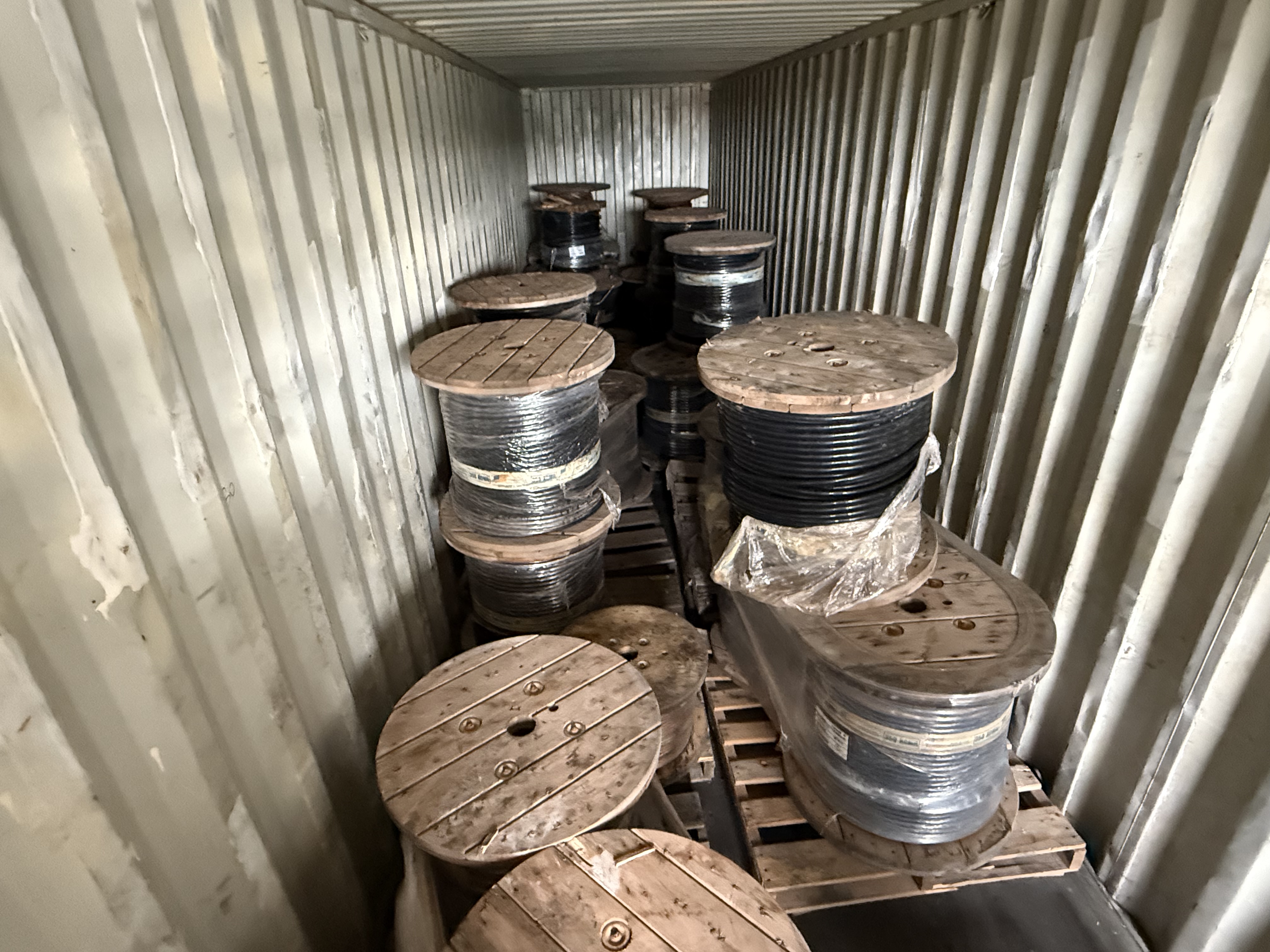
Philadelphia-area inventory may come from commercial renovations, institutional facilities, contractor overstock, industrial projects, and building-system upgrades.
Philadelphia-area lots should separate new project surplus from cable removed during building-system work. Length, floor location, and staging method affect whether usable cuts remain practical to handle.
For removed cable, show the jacket legend, clean conductor ends, insulation condition, and any contamination, splices, crushing, heat damage, or water exposure. State whether the material was pulled intact or cut during removal.
Sort usable cut lengths from short scrap pieces and record the approximate length range for each size. Long, identifiable cuts can be evaluated differently from tangled, damaged, or unlabeled material.
State whether material is in a row building, commercial floor, warehouse, or yard; include doorway, elevator, dock, parking, pallet, and loading restrictions.
Potentially. Keep lengths sorted by size, avoid unnecessary cutting, photograph jacket legends and ends, and document how each bundle can be moved to the loading point.
Philadelphia-area wire may be packaged project surplus, warehouse reels, or cable removed from commercial and residential-scale buildings. Continuous length, identity, floor or rack location, and the legal loading route should remain connected in the submission.
Record size, conductor, insulation, approximate length, removal method, damage, lugs, splices, bundling, and end condition.
Count cartons, coils, MC cable, reel tags, opened packages, mixed labels, palletization, and warehouse position.
State floor, stairs or elevator, doorway, alley, curb, dock, parking, hours, weights, labor, equipment, and appointment requirements.
Explain bundle and reel weights, palletization, freight-elevator or stair constraints, alley or dock access, legal truck space, labor, lifting resources, site hours, and the approved removal window.
Avoid extra cutting when it is safe to preserve identifiable lengths. Record size, conductor, insulation, length, damage, ends, weight, bundling, access, and removal responsibility.
Provide floor, elevator or stairs, doors, alley or dock, parking, hours, labor, bundle or reel weights, equipment, insurance or appointment needs, and staging options.