Accepted inventory for this route
MC cable, THHN/THWN, and XHHW building wireCopper or aluminum feeder conductorsLong removed runs, grounding wire, and packaged project surplus
Prepare surplus, used, and leftover electrical wire located in Chicago, Illinois for commercial review, including THHN, XHHW, MC cable, copper, aluminum, and documented mixed lots. Any offer, freight, loading, pickup, timing, and payment terms depend on the submitted material, location, written terms, and approval.
If your commercial wire lot is located in Chicago, document the material and the party authorized to release it before requesting a buyer review.
Group building or feeder wire by conductor, gauge or kcmil size, insulation and usable length. Show reel, carton, or pallet counts; photograph readable jacket or reel markings, cut ends, packaging and any damage. Give the actual material location, loading access and available quantity. Reusable inventory and recovery-only wire may require different evaluation.
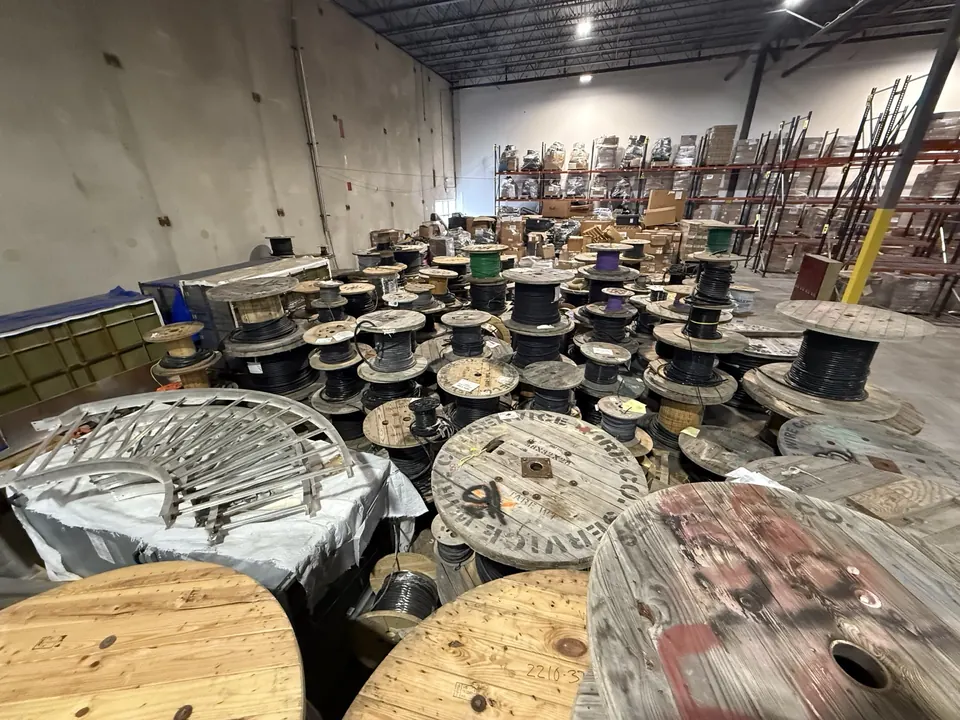
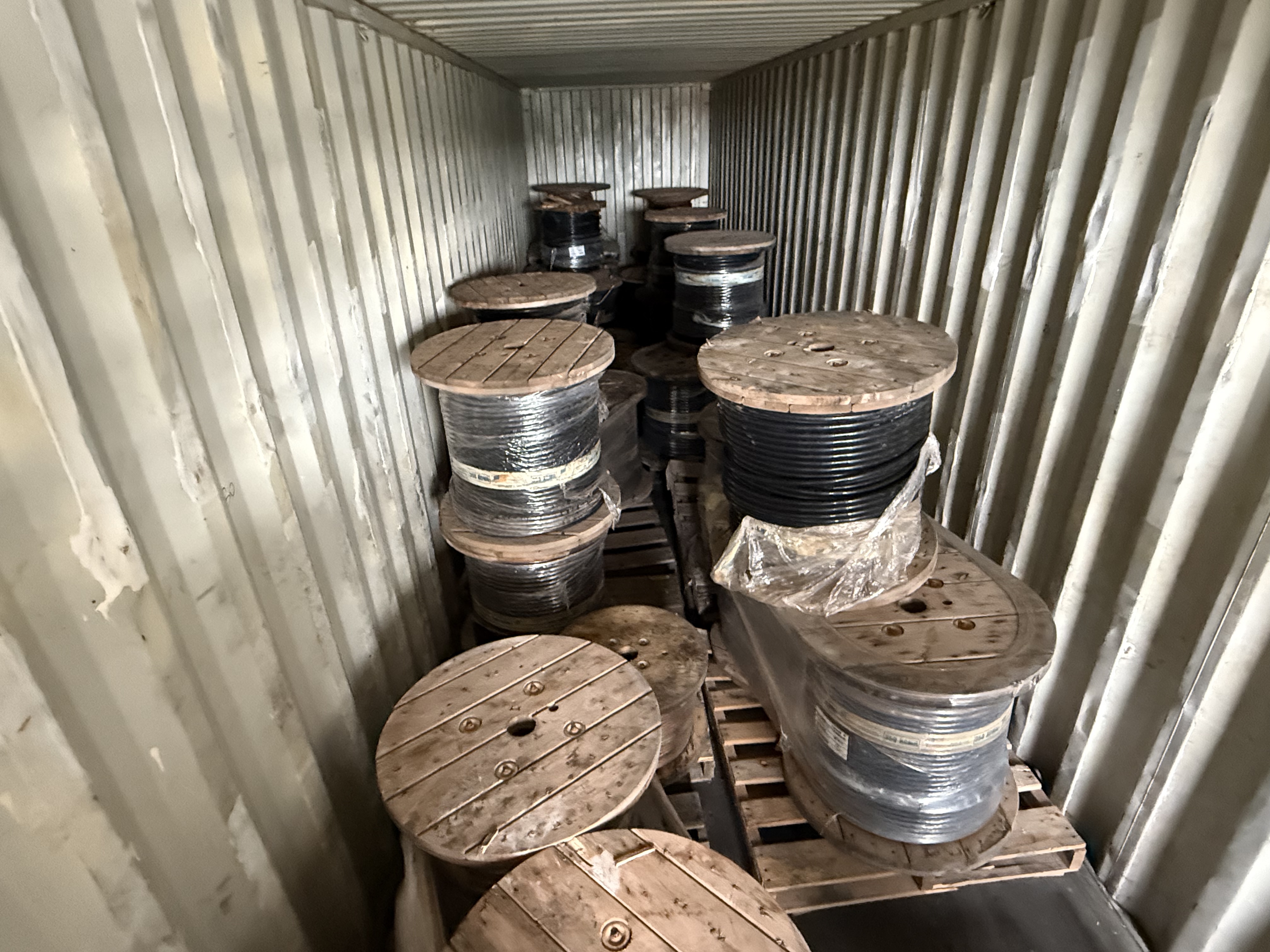
Chicago-area sellers should combine a detailed product inventory with a realistic building or yard access plan. Keep new packaged wire separate from removed cable and heavy feeder reels.
Record the armor style, conductor count, gauge, ground conductor, coil or reel label, and any printed MC cable designation. Include an end view that shows both the armor and insulated conductors.
Group unlike wire into a simple inventory: type, size, conductor, package, and estimated quantity. Counts by reel, coil, carton, pallet, or loose bundle are more useful than one combined weight when the mix has different resale paths.
Provide floor level, freight-elevator or dock scheduling, alley or curb restrictions, pallet or reel weights, forklift capacity, and any required site paperwork.
Explain where the material sits, how it reaches the truck, available elevator or dock hours, legal loading space, lifting equipment, weights, and appointment requirements.
This Chicago submission covers new packaged MC cable, feeder reels, and removed copper lengths stored in a building or in an alley‑served warehouse, and the inventory should reflect material and handling distinctions tied to those storage environments. Separate clear descriptions of armored MC cable from removed feeder pieces and loose copper so the condition and packaging state for each group are evident for access‑qualified review. Record floor or alley staging, elevator or doorway constraints, and package condition indicators so reviewers understand how access affects practical handling.
Assessment will compare each group's material identity, quantity by handling unit, and package integrity against the practical access constraints documented for the building or alley served warehouse; armored MC in factory packaging is not equivalent to removed feeder lengths that may be bundled or spliced. The practical handling scope—elevator capacities, doorway widths, and stair or alley access—matters to the evaluation, and material condition and segregation should be used to frame any follow‑up inquiries rather than assuming uniform handling across the location.
If material is inside a multilevel or access‑controlled building, provide floor level, elevator dimensions and rated capacity, doorway widths, and precise loading‑point orientation so the actual handling constraints are clear. Any staging or movement assumptions need confirmation of building approvals, rated equipment availability, and written authorization because handling plans cannot be determined solely from a list of items without those access facts.
Document armored MC cable separately from removed feeder material by creating distinct inventory lines, photographing armor, jacket legends, conductor counts, package condition, and splice or end details, and provide handling‑unit quantities or footage estimates so the two groups are not conflated in access‑qualified review.
When using an alley, dock, or freight elevator, report the exact storage position, route to the loading point, elevator height and rated capacity, doorway clearances, surface and alley conditions, the expected weight or dimensions of handling units, and any building or alley permissions required for movement.
Select a relevant guide for construction and quantity evidence, or open the complete wire directory if your lot does not fit these common commercial categories.