Accepted inventory for this route
THHN/THWN and XHHW building wire on tagged reelsMC cable coils and cartons left from commercial workLarge copper or aluminum feeder cable in identifiable lengths
Prepare surplus, used, and leftover electrical wire located in Atlanta, Georgia for commercial review, including THHN, XHHW, MC cable, copper, aluminum, and documented mixed lots. Any offer, freight, loading, pickup, timing, and payment terms depend on the submitted material, location, written terms, and approval.
If your commercial wire lot is located in Atlanta, document the material and the party authorized to release it before requesting a buyer review.
Group building or feeder wire by conductor, gauge or kcmil size, insulation and usable length. Show reel, carton, or pallet counts; photograph readable jacket or reel markings, cut ends, packaging and any damage. Give the actual material location, loading access and available quantity. Reusable inventory and recovery-only wire may require different evaluation.
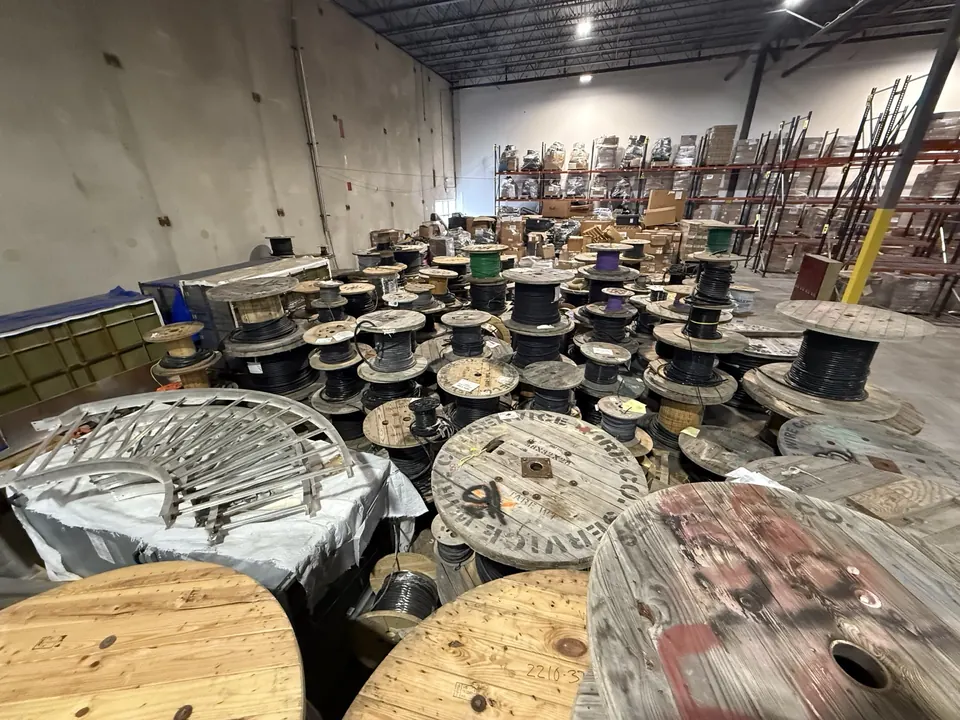
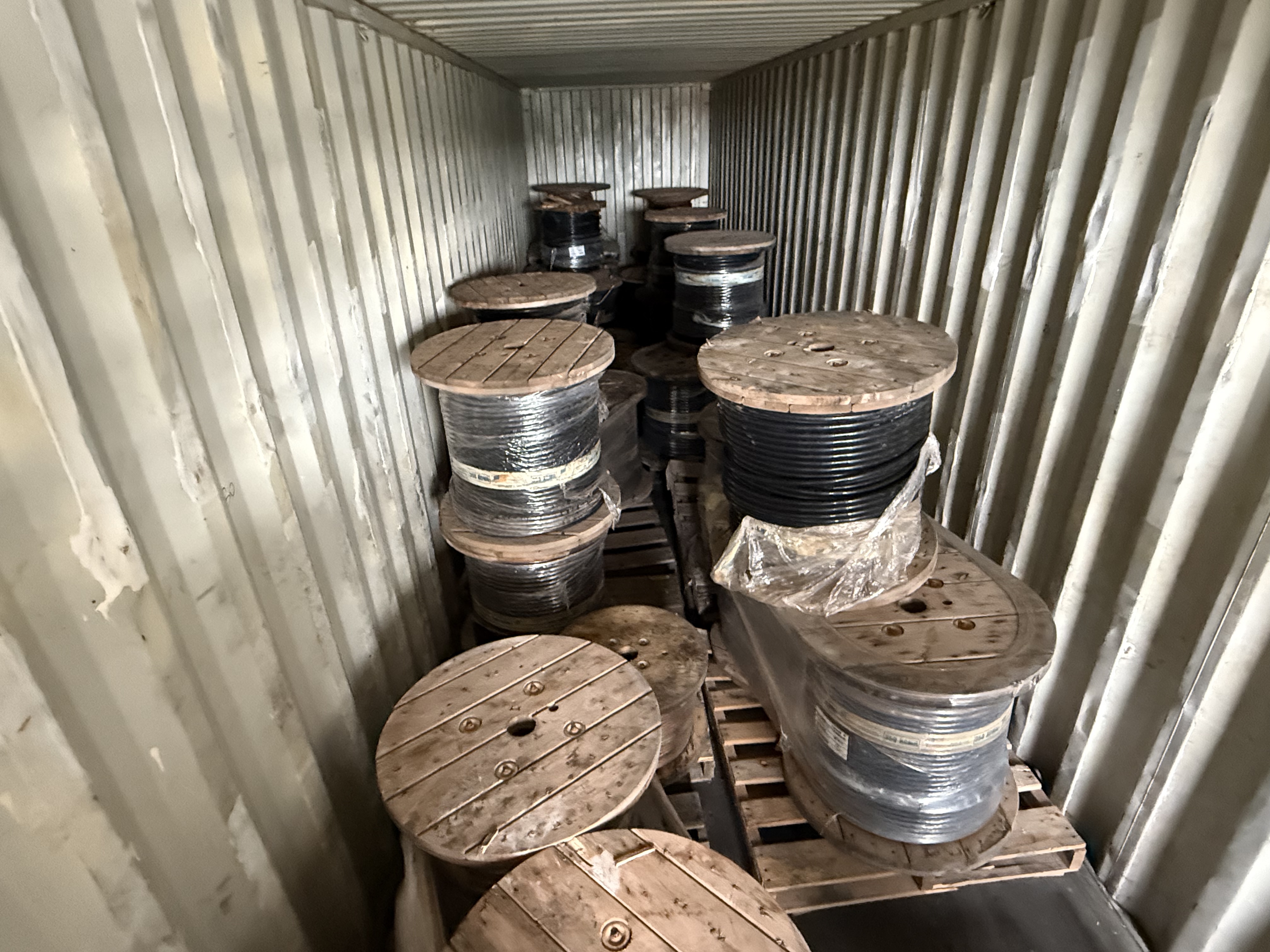
Atlanta-area wire may come from commercial construction, data-center projects, logistics facilities, contractor overstock, warehouse cleanouts, and decommissioning work.
For an Atlanta-area submission, separate unopened commercial building wire from partial reels and removed feeder cable so each portion can be evaluated on its own condition and reuse potential.
Read the jacket or carton for THHN, THWN-2, XHHW-2, conductor metal, gauge, voltage rating, and manufacturer. Photograph the printing in sequence when a single frame cannot show every marking.
Group unlike wire into a simple inventory: type, size, conductor, package, and estimated quantity. Counts by reel, coil, carton, pallet, or loose bundle are more useful than one combined weight when the mix has different resale paths.
State whether the material is in a warehouse, active jobsite, or storage yard; identify dock, forklift, gate, and appointment requirements before a pickup plan is discussed.
Yes. List the boxed material and each partial reel separately, then show the entire lot together so packaging, quantities, and loading needs can be reviewed.
Atlanta-area contractor and project-closeout material is easier to review when labels, packages, reel quantities, release status, and dock or yard access can be traced. A broad leftover-wire total can hide both reusable stock and recovery-only exceptions.
List THHN, XHHW, MC cable, colors, gauges, sealed or opened cartons, coils, mixed labels, returns, and damaged packages.
Record tag, conductor, size, insulation, original and remaining footage or estimate, fill, dimensions, weight, and condition.
Identify owner, closeout or change context, material still committed to work, pickup address, dock or yard, equipment, and required removal date.
Provide dock, roll-up door, yard, gate, trailer, rack, pallet, reel, forklift, appointment, site-hour, release, and staging details. State whether material is consolidated or still spread across project areas.
Separate them from sealed cartons, show labels and contents, count remaining material, and disclose mixed gauges or colors, substitutions, moisture, damage, and return status.
Provide owner or release context, final material list, photos, pickup address, site contact, access, loading resources, date available, and the deadline for clearing the stock.
The lot appears to be a commercial closeout containing labeled building-wire cartons, exposed MC cable reels, and identifiable feeder lengths sorted into separate stacks. Documentation should describe how cartons, armored cable, and feeder cuts are currently segregated so that each group can be evaluated on its own merits. Photographic and tag evidence that ties specific reels or cartons to counted quantities will be necessary to proceed with an assessment.
Assessment will examine whether jacket and package markings, continuous conductor length, and packaging integrity support reuse as commercial building wire rather than recovery stock. The documented aggregate quantity, condition photos, and any available packing records will be compared to the stated inventory lines to determine the appropriate review path. Final determination depends on verification of the submitted documentation and clear separation of cartons, armored cable, and feeder lengths.
State warehouse rack position, aisle and door clearances, dock height if applicable, pallet or reel counts, and the rated lifting capacity of on-site equipment so handling implications are explicit. Describe how consolidation at a single handling point would change storage positions or require palletizing, and identify any permissions or release documents needed to alter the current arrangement. Further handling decisions will rest on confirmed inventory details and written authorization tied to the documented lot.
Document each carton and partial reel as its own inventory line, include clear photos of jacket legends or carton labels, state the measurement basis (footage, weight, or estimated fill), and attach a count sheet that links photos to line items; the assessment will require complete, verifiable records before the lot can be classified.
Provide the exact storage location, the route to the consolidation point inside the facility, door and aisle clearances, reel or pallet dimensions and weights that affect handling, and any site permission or authorization procedures; confirmation of these facts will determine whether consolidation at a single handling point is feasible.
Select a relevant guide for construction and quantity evidence, or open the complete wire directory if your lot does not fit these common commercial categories.