Accepted inventory for this route
Industrial tray cable and feeder conductorsTHHN, XHHW, and grounding wire on tagged reelsPackaged building wire and MC cable project surplus
Prepare surplus, used, and leftover electrical wire located in Minneapolis, Minnesota for commercial review, including THHN, XHHW, MC cable, copper, aluminum, and documented mixed lots. Any offer, freight, loading, pickup, timing, and payment terms depend on the submitted material, location, written terms, and approval.
If your commercial wire lot is located in Minneapolis, document the material and the party authorized to release it before requesting a buyer review.
Group building or feeder wire by conductor, gauge or kcmil size, insulation and usable length. Show reel, carton, or pallet counts; photograph readable jacket or reel markings, cut ends, packaging and any damage. Give the actual material location, loading access and available quantity. Reusable inventory and recovery-only wire may require different evaluation.
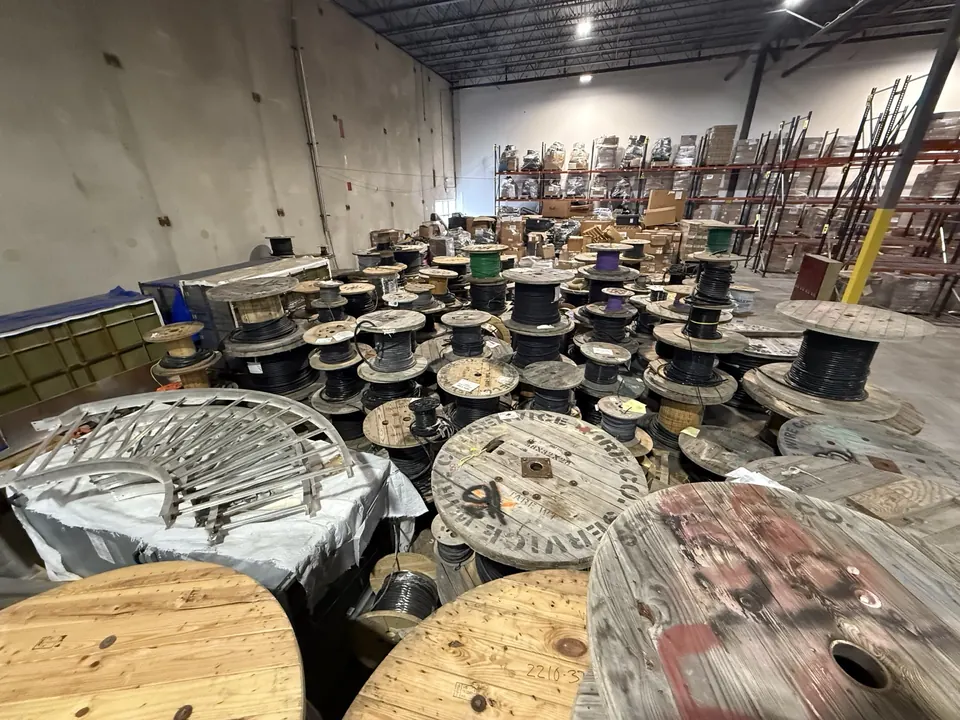
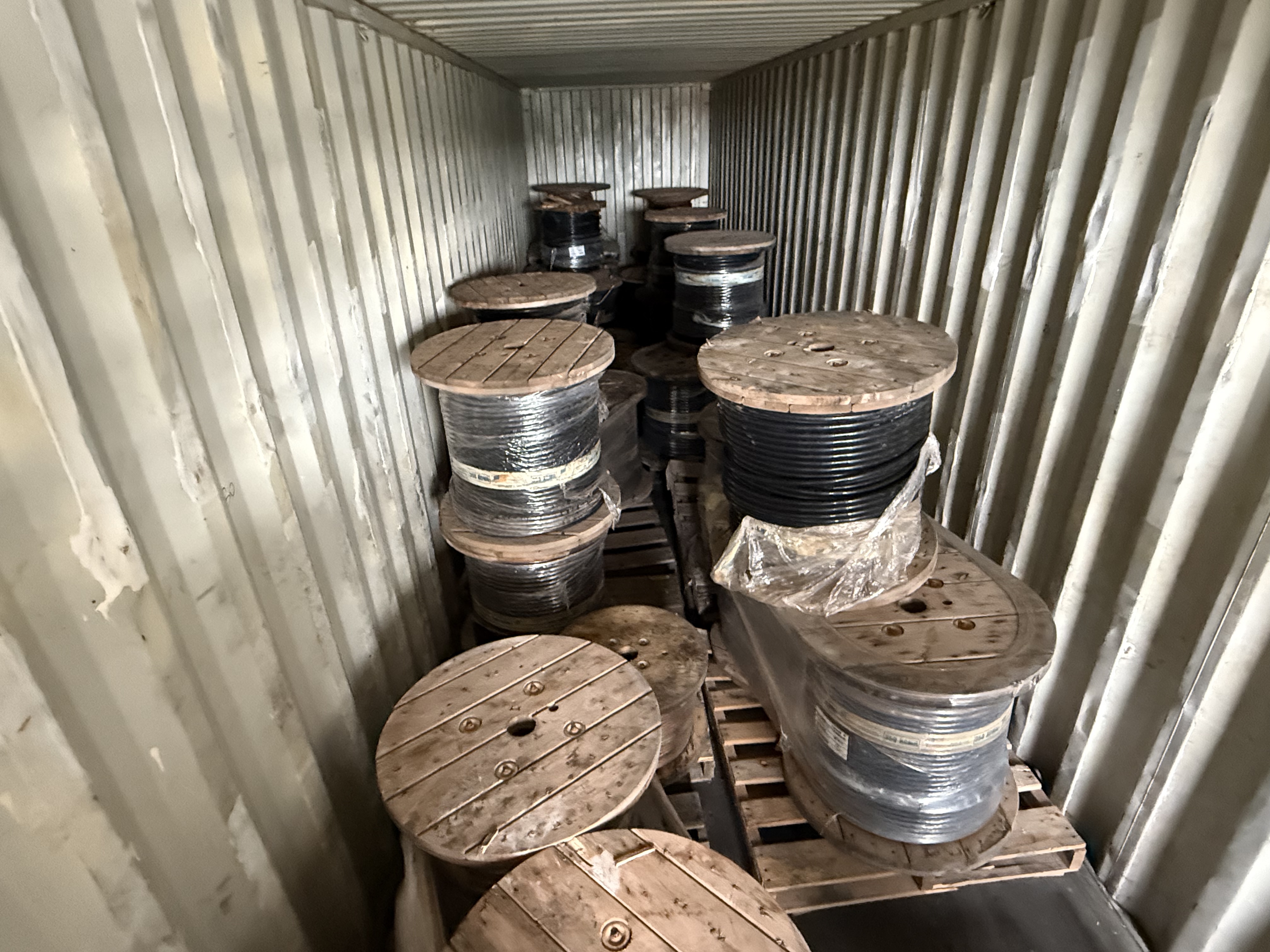
Minneapolis-area sellers may have wire from commercial renovations, manufacturing facilities, warehouses, electrical contractors, or completed construction projects.
Minneapolis-area submissions should show how cold, moisture, or warehouse storage affected jackets and packaging, while separating manufacturing or facility cable from ordinary contractor stock.
Separate the lot by visible label whenever practical: wire family, copper or aluminum, gauge or MCM size, conductor count, and new-versus-removed condition. Unknown material can still be reviewed when the jacket and cut ends are photographed clearly.
Group unlike wire into a simple inventory: type, size, conductor, package, and estimated quantity. Counts by reel, coil, carton, pallet, or loose bundle are more useful than one combined weight when the mix has different resale paths.
Report heated or unheated storage, snow-season access, dock or ground loading, forklift rating, reel weights, and the deadline for removing the material.
Disclose storage temperature and duration, then photograph any jacket cracking, stiffness, moisture, ice, damaged packaging, reel condition, and conductor ends.
This Minneapolis record documents packaged building wire, facility cable, and feeder reels that have been stored across both heated and unheated areas, and the storage environment distinctions should be captured in the lot records for condition comparison. Provide separate group descriptions for units that show exposure differences so reviewers can distinguish dry, covered packages from material stored in unheated yards where jackets, cartons, or reel flanges may show cold or moisture effects. Include counts of handling units, carton or reel condition notes, and whether individual reels or bundles were kept under temporary cover so the condition categories within this cold-storage condition record are clear.
Assessment of this Minneapolis lot will hinge on legible markings, intact packaging, visible conductor ends, and reel hardware; distinguish factory‑sealed units from cartons or jackets showing moisture or cold damage before comparing groups. A documented dry group must be recorded separately from exposed or damaged units so any comparison references concrete quantity segregation and observable identifiers rather than assuming uniform condition across the location.
When stating access facts, report whether material is under cover, the stated ground or dock condition at the documented loading point, any seasonal constraints observed such as ice or thaw cycles, and the specific rated handling equipment present where the material is staged. Also identify who is authorized to permit movement at each storage point and whether temporary staging or coverings are allowed, since handling assumptions cannot be finalized without those documented site permissions and written authorization.
Document cold or moisture exposure by giving the affected jackets and cartons a separate inventory line, photographing jacket printing and label panels, quantifying affected handling units, and noting visible degradation; an informed assessment depends on those segregated evidentiary records and clear counts.
When loading from an unheated warehouse or seasonal yard, state the storage position and route to the loading point, doorway and ramp dimensions, surface and dock conditions, the weight or dimension limits that affect handling, who may authorize movement, and the rated equipment expected to be used; unresolved site permissions will limit handling assumptions.
Select a relevant guide for construction and quantity evidence, or open the complete wire directory if your lot does not fit these common commercial categories.