Accepted inventory for this route
THHN, MC cable, and packaged building wireFeeder, service, and grounding conductorsClean removed cable with disclosed storage and exposure
Prepare surplus, used, and leftover electrical wire located in Florida for commercial review. Freight or pickup is considered only after material, location, loading, and written purchase terms are approved.
Contractors, warehouses, facilities, utilities, demolition sites, and authorized project owners can submit documented copper and aluminum wire located in Florida.
Commercial quantities can include full reels, partial surplus reels, mixed building wire, large feeder cable, and removed-from-service conductor. Send photos and location details for review; any offer and logistics plan depends on written terms and approval.
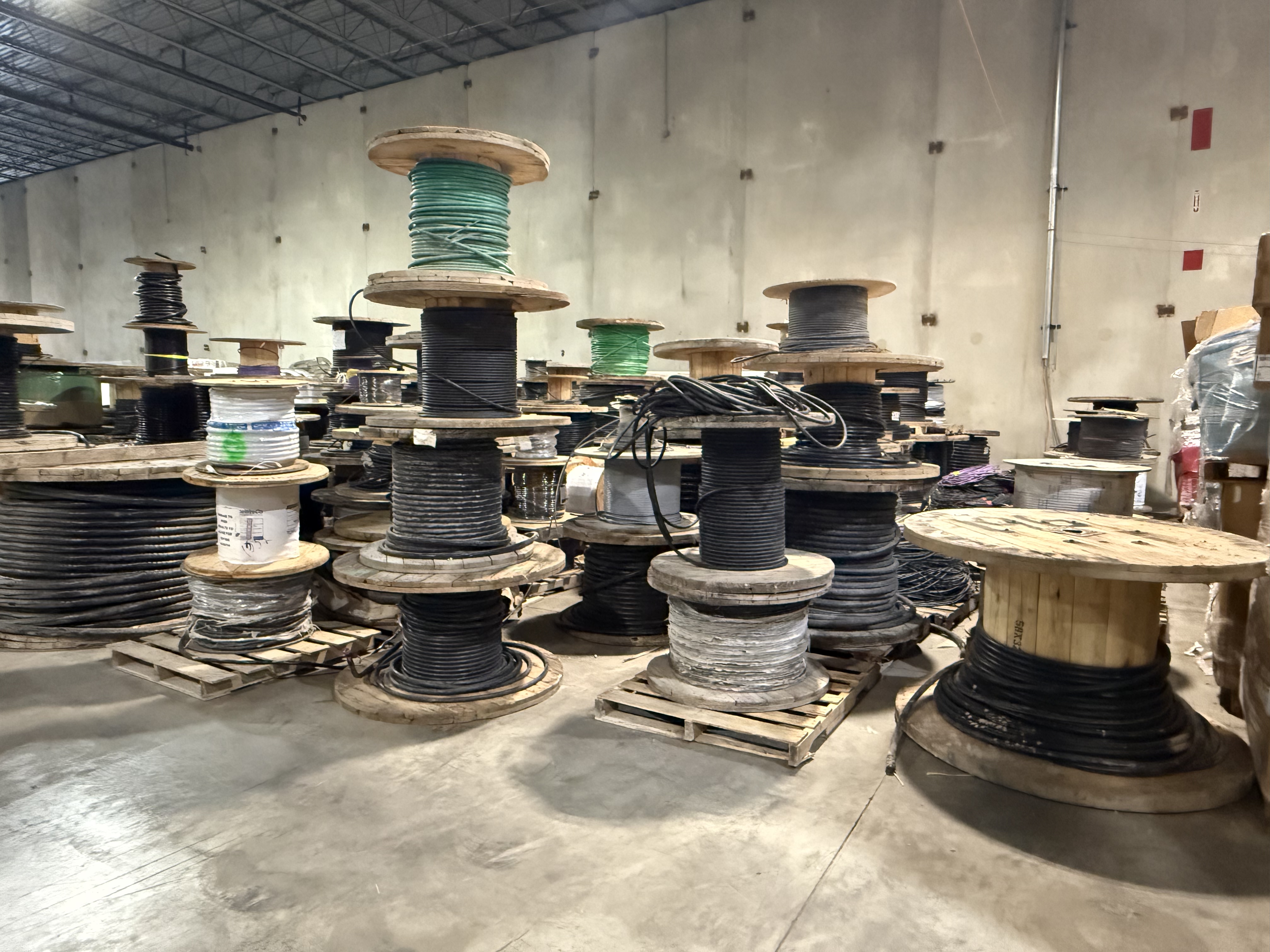
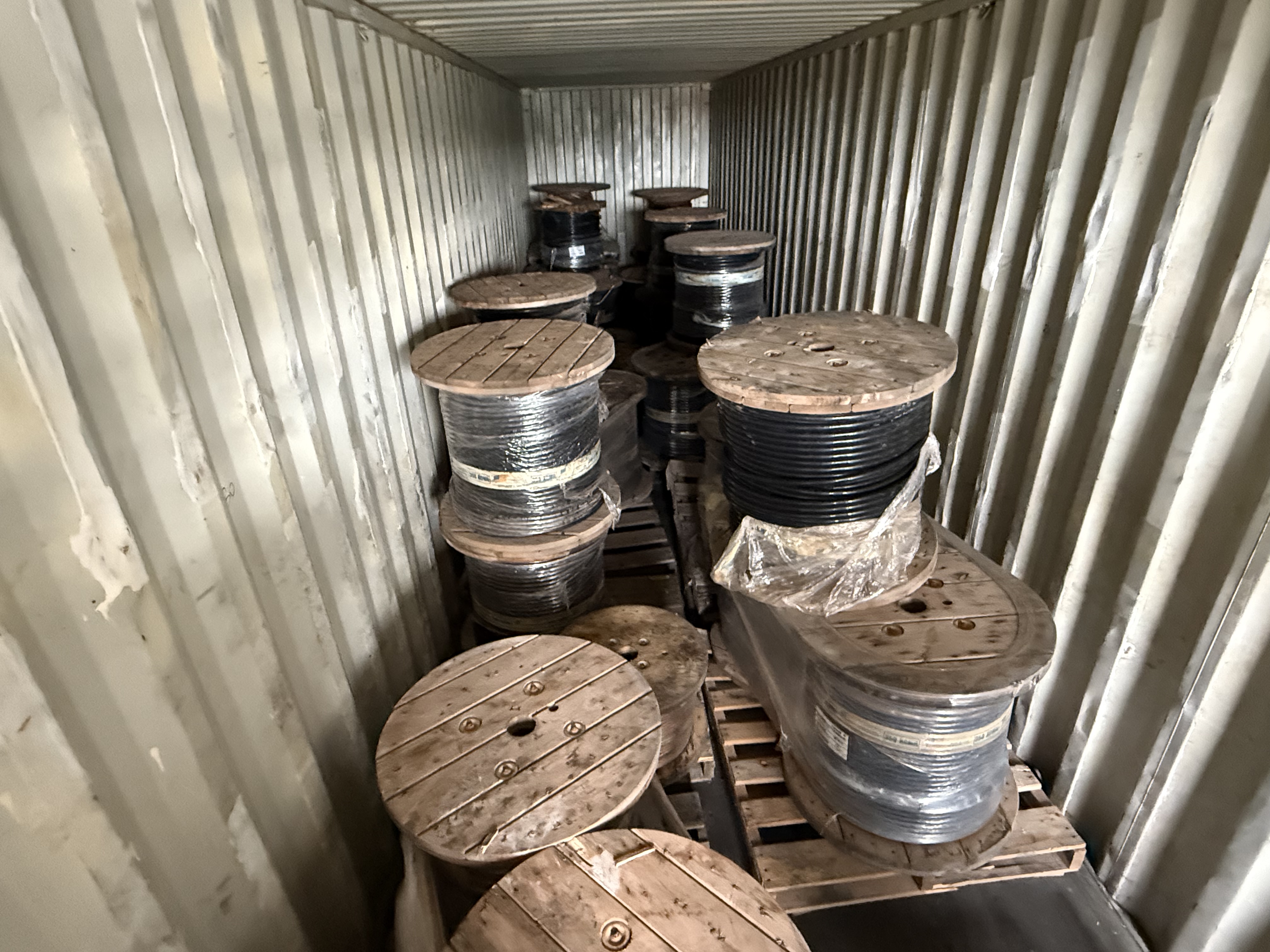
Florida submissions should document moisture, heat, coastal, storm, or outdoor exposure only when applicable, keeping dry packaged stock separate from removed or weather-affected cable.
Separate the lot by visible label whenever practical: wire family, copper or aluminum, gauge or MCM size, conductor count, and new-versus-removed condition. Unknown material can still be reviewed when the jacket and cut ends are photographed clearly.
Group unlike wire into a simple inventory: type, size, conductor, package, and estimated quantity. Counts by reel, coil, carton, pallet, or loose bundle are more useful than one combined weight when the mix has different resale paths.
List city, building or yard access, elevator, dock, gate, parking, weather protection, lifting equipment, weights, and release timing.
State indoor or outdoor storage and show water lines, corrosion, heat or sunlight damage, packaging, jackets, conductor ends, reel condition, and current protection.
Florida inventory may be dry packaged stock, indoor reels, garage material, outdoor cable, or removed conductor. Moisture, heat, salt, storm, or flood exposure should be documented only when present, with protected stock kept separate from questionable groups.
Count sealed cartons, wrapped coils, indoor reels, labels, opened packages, and current weather protection.
Show water lines, staining, corrosion, swelling, sunlight, jacket cracks, reel hardware, ground contact, and clean conductor ends where applicable.
Record floor, elevator, garage, dock, curb, gate, parking, palletization, weights, appointments, and the path to the truck.
Explain indoor or outdoor staging, weather protection until collection, elevator or dock reservations, yard surface, forklift capacity, reel and pallet weights, access timing, and any active-site constraints.
No. Describe only known storage and visible condition. Use photographs to show whether packages, jackets, reels, hardware, and conductor ends are dry, exposed, or uncertain.
Keep them separate, with different quantities and photo sets. Show current storage, water evidence, corrosion, packaging, jacket condition, ends, labels, and handling limits for each group.
Every location below is a direct crawlable link, preserving the former state-hub architecture.