Accepted inventory for this route
Industrial feeder and tray cableUnused maintenance reels of THHN, XHHW, or grounding conductorRemoved copper cable in long documented runs
Prepare surplus, used, and leftover electrical wire located in Detroit, Michigan for commercial review, including THHN, XHHW, MC cable, copper, aluminum, and documented mixed lots. Any offer, freight, loading, pickup, timing, and payment terms depend on the submitted material, location, written terms, and approval.
If your commercial wire lot is located in Detroit, document the material and the party authorized to release it before requesting a buyer review.
Group building or feeder wire by conductor, gauge or kcmil size, insulation and usable length. Show reel, carton, or pallet counts; photograph readable jacket or reel markings, cut ends, packaging and any damage. Give the actual material location, loading access and available quantity. Reusable inventory and recovery-only wire may require different evaluation.
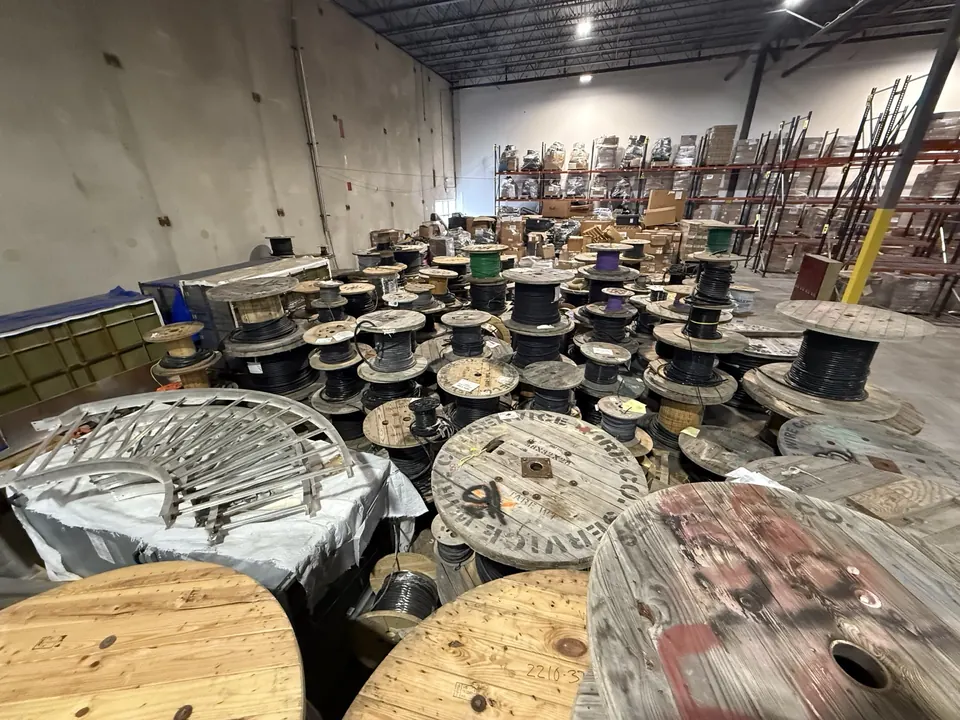
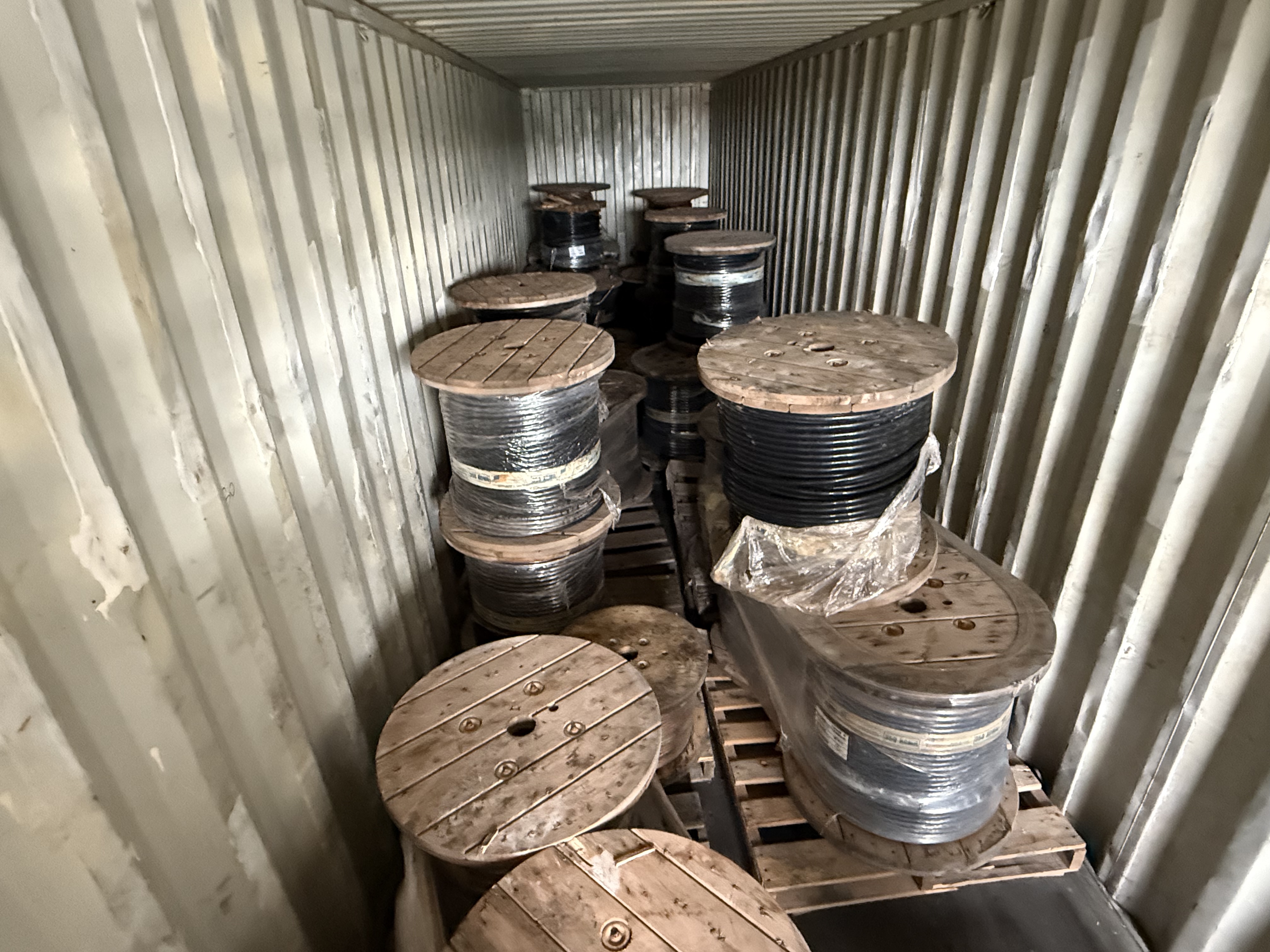
Detroit-area sellers may have wire from manufacturing facilities, plant upgrades, commercial projects, warehouses, electrical contractors, and decommissioning work.
Detroit-area plant or facility wire should be grouped by operating history and removal condition, while unused maintenance stock and tagged project surplus remain separate for a clearer evaluation.
For removed cable, show the jacket legend, clean conductor ends, insulation condition, and any contamination, splices, crushing, heat damage, or water exposure. State whether the material was pulled intact or cut during removal.
Estimate length or weight by cable size and keep intact runs separate from chopped material. Note pull damage, exposed conductor, splices, lugs, and whether terminations can be removed before pickup.
Provide site-release authorization, safety and access rules, dock or bay details, crane or forklift capacity, de-energization status, and the required removal window.
List service history if known, size, conductor, insulation, intact length, contamination, terminations, removal damage, weight, staging, and loading equipment.
Detroit-area submissions commonly include two distinct pools: unused maintenance reels with intact reel legends and long conductors removed from service that show splices, lugs, or abrasion evidence. Documenting these groups separately preserves the difference in service history, handling unit, and condition so each can be assessed on its own merits rather than conflated by the facility address.
Assessment separates reusable maintenance-stock from recovery-grade material by visible construction, continuous length, and specific damage indicators rather than by aggregate location. Short, unidentified, or contaminated portions require distinct disposition criteria and separate supporting evidence before they can be considered alongside cleaner reels. Maintaining these distinctions preserves clear quantity, condition, and handling-unit records for any subsequent technical review.
For material stored on a controlled commercial property, provide the authorized release contact, site security and appointment procedures, and the interior handling point where items will be made available for inspection. State any dimensional or weight constraints at the storage position and specify required credentials that affect access to those storage areas. Resolve these written site constraints and permissions before requesting an in-person condition review.
List unused reels and removed facility conductors on separate inventory lines, show readable reel tags and jacket legends, photograph splice and end conditions, and attach a length worksheet for long runs; final assessment depends on complete lot documentation and confirmation of ownership and condition records.
Provide the storage position, route to the designated handling point, site permission rules or credentials, and any dimensions or weights that affect in-building access; a precise review requires those written site constraints and confirmed release contact.
Select a relevant guide for construction and quantity evidence, or open the complete wire directory if your lot does not fit these common commercial categories.