Accepted inventory for this route
MC cable and building wire from fit-outs or closeoutsCopper and aluminum feeder cable on partial reelsClean removed conductor with readable jacket markings
Prepare surplus, used, and leftover electrical wire located in Miami, Florida for commercial review, including THHN, XHHW, MC cable, copper, aluminum, and documented mixed lots. Any offer, freight, loading, pickup, timing, and payment terms depend on the submitted material, location, written terms, and approval.
If your commercial wire lot is located in Miami, document the material and the party authorized to release it before requesting a buyer review.
Group building or feeder wire by conductor, gauge or kcmil size, insulation and usable length. Show reel, carton, or pallet counts; photograph readable jacket or reel markings, cut ends, packaging and any damage. Give the actual material location, loading access and available quantity. Reusable inventory and recovery-only wire may require different evaluation.
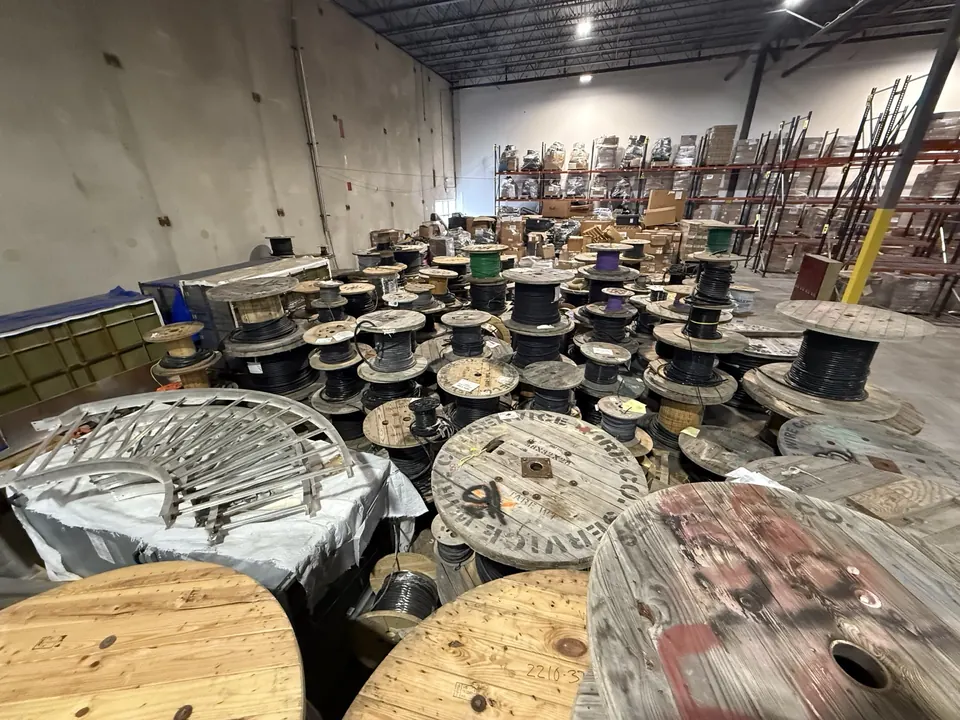
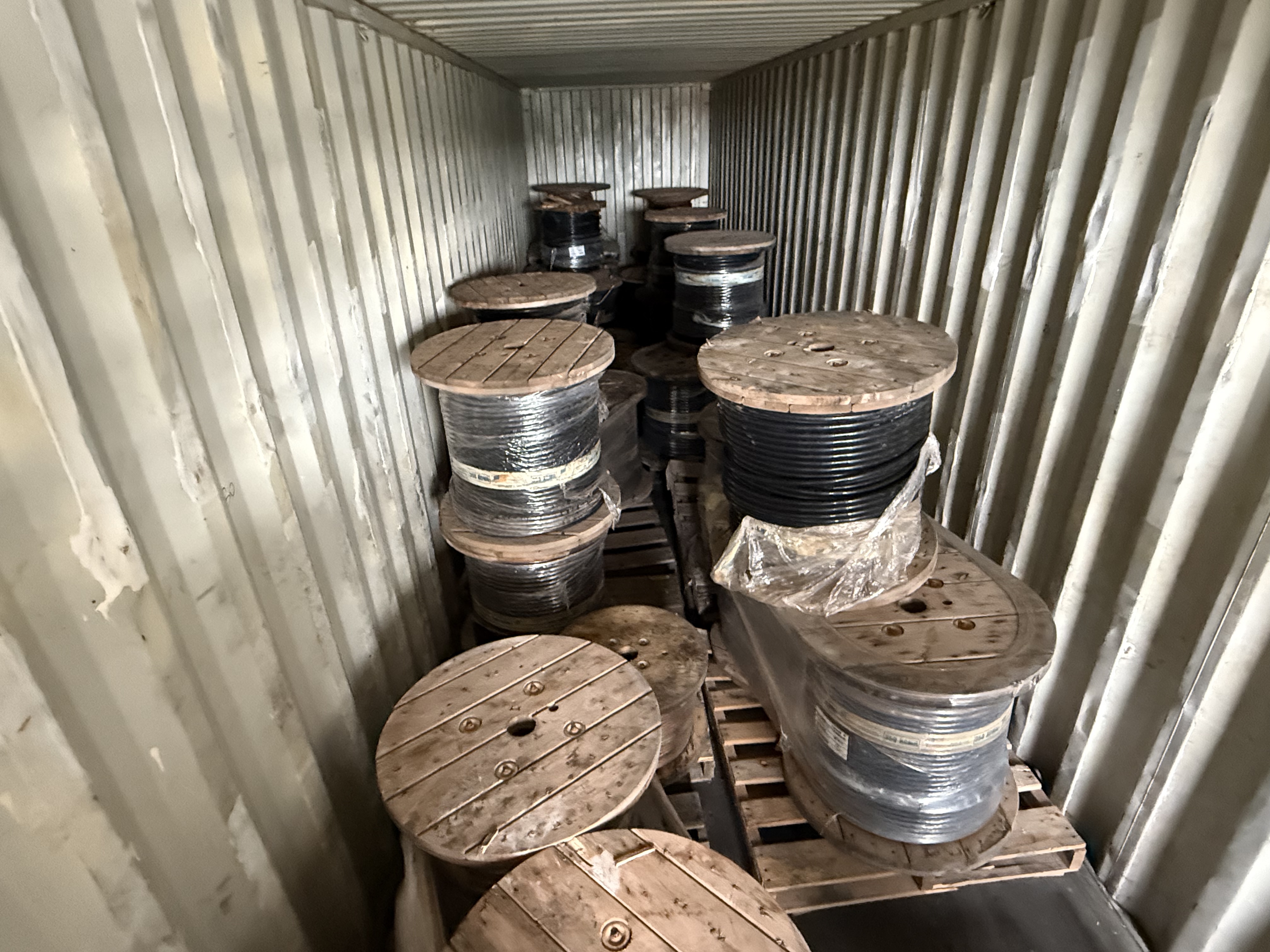
Miami-area wire may become available during commercial fit-outs, hospitality or multifamily renovations, contractor closeouts, warehouse cleanouts, and demolition work.
A Miami-area submission should document dry-versus-weather-exposed storage, intact packaging, and access constraints. Separate renovation or fit-out surplus from removed cable before taking quantity photos.
Record the armor style, conductor count, gauge, ground conductor, coil or reel label, and any printed MC cable designation. Include an end view that shows both the armor and insulated conductors.
Group unlike wire into a simple inventory: type, size, conductor, package, and estimated quantity. Counts by reel, coil, carton, pallet, or loose bundle are more useful than one combined weight when the mix has different resale paths.
Explain whether loading is from a dock, garage, construction floor, or yard and note freight-elevator, appointment, gate, or forklift limitations.
Yes. Photos should show whether jackets, cartons, coils, and reel tags stayed dry and whether salt, standing water, heat, or physical damage is visible.
A Miami-area lot may be dry fit-out surplus, garage or warehouse stock, upper-floor material, outdoor reels, or removed cable. Condition should be shown rather than inferred, and access details should be recorded before freight assumptions are made.
Count sealed and opened cartons, coils, MC cable, THHN, labels, pallet condition, and current indoor or covered storage.
Show water staining, salt or corrosion when present, heat or sunlight damage, package interiors, jackets, reel hardware, and conductor ends.
Record floor, freight elevator, doorway, garage, dock, curb, parking, appointments, palletization, weights, and loading help.
Describe elevator or dock reservations, loading-zone or garage clearance, parking, gate, pallet and reel weights, forklift access, weather protection, site hours, and who moves the material to the loading point.
Show the full room, garage, warehouse, or yard; package interiors; labels; jackets; conductor ends; reel hardware; water or corrosion evidence; and the access route.
No. State only known storage facts and visible condition. Mark uncertain exposure as unknown and provide enough photographs for a private review.
The lot comprises commercial fit-out wire, MC cable, and partial feeder reels stored in areas that show differing humidity exposure and variable weather protection. Each distinct material type and its storage condition must be documented as a separate factual group so condition and quantity can be compared. Photographic and label evidence should specifically record moisture exposure and any observable changes to MC armor that could affect condition evaluation.
Assessment relies on visible jacket, armor, conductor, packaging, and storage evidence to establish distinct condition groups for the lot. Material documented as dry and protected will be considered separately from exposed, damaged, or uncertain pieces; final assessment requires complete quantity records and specification checks. The evaluation will reconcile observed condition against the documented counts and identifying markings to form a usable condition summary.
For material inside multilevel or access-controlled buildings, supply floor level, elevator or stair dimensions, doorway clearances, and any legal loading-zone permissions relevant to moving material. State whether material must pass through a garage, dock, or active construction floor and identify vertical or horizontal restrictions that affect handling and staging; list on-site appointment or access requirements. Handling requirements and any agreed transfer arrangements depend on verified access facts and mutually accepted written instructions.
Document package moisture and MC armor condition by photographing jacket printing, package labels, reel hardware, and conductor ends; note and count items with visible corrosion, water stains, or torn packaging, and state which labels are unreadable. Assessment of condition categories will depend on complete lot documentation and confirmation of specification matches.
Provide the storage position, the exact route to the loading point, doorway and elevator clearances, and any site appointment or loading-zone restrictions when material must pass through a garage, dock, or construction floor; without measured clearances and explicit site permissions a handling plan cannot be finalized.
Select a relevant guide for construction and quantity evidence, or open the complete wire directory if your lot does not fit these common commercial categories.