Conductor form
State bare or insulated, solid or stranded, single conductor or assembly, copper or visibly plated copper, and any armor, neutral, grounding conductor, or attached hardware.
A technical seller-identification guide for bare and insulated copper conductor, markings, construction, packaging, quantity evidence, condition, and reusable-versus-recovery separation.
Copper color alone does not establish size, insulation, voltage, approvals, package quantity, reusable length, or condition. Preserve labels and continuous lengths so the submission can be evaluated without destroying useful evidence.
State bare or insulated, solid or stranded, single conductor or assembly, copper or visibly plated copper, and any armor, neutral, grounding conductor, or attached hardware.
Record the full printed legend, insulation or jacket type, voltage, temperature rating, sunlight or wet-location language, manufacturer, approvals, color, and visible damage.
Use the readable AWG or kcmil marking when present. Add a clean end photo that shows strand construction without guessing gauge from outside diameter alone.
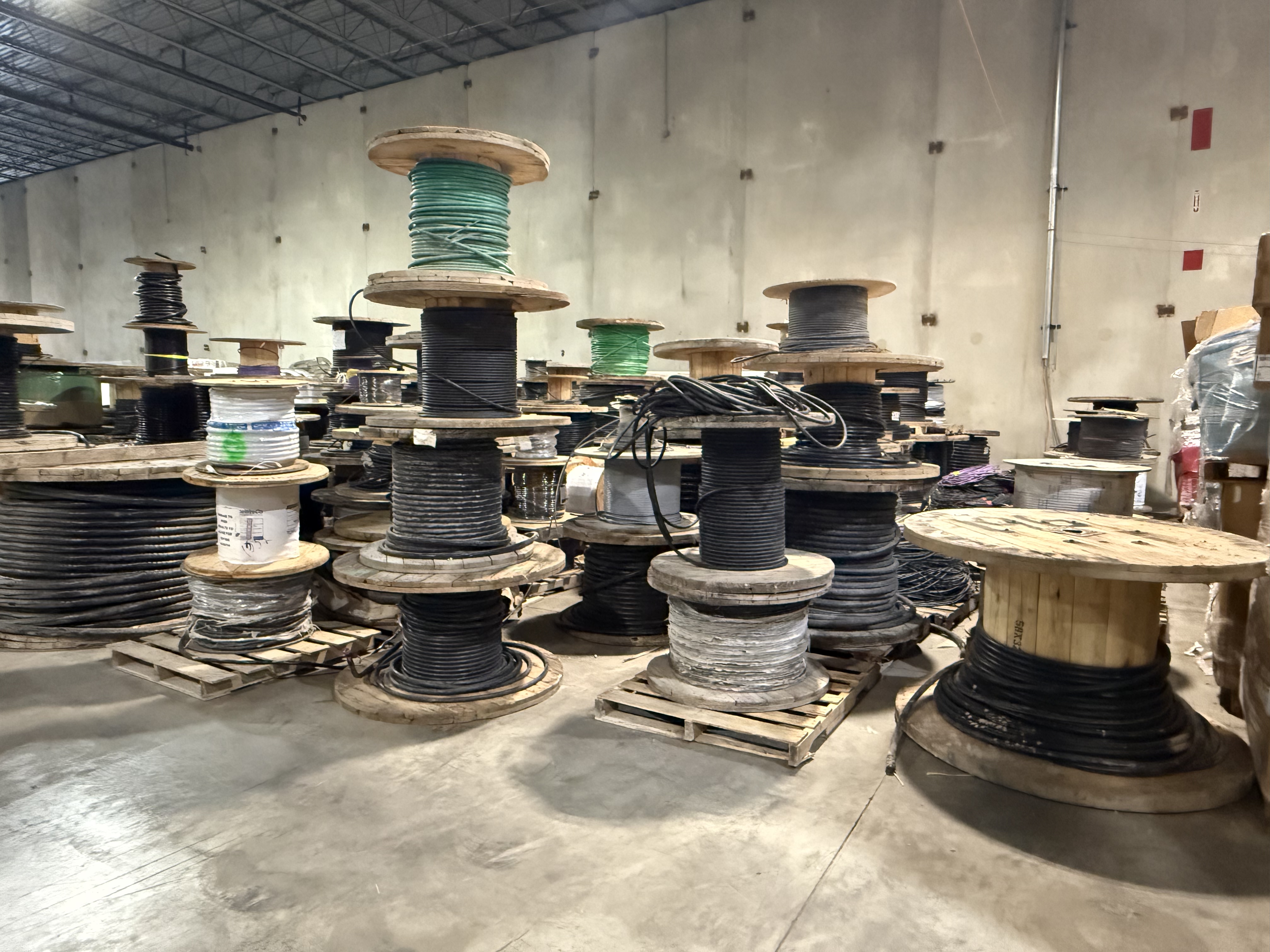
List reels, coils, cartons, pallets, measured cuts, and loose groups separately. Support quantity with tag footage, package counts, measured length, documented weight, or a clearly explained estimate.
Separate clean continuous identifiable wire from short, burned, contaminated, tangled, corroded, unlabeled, or mixed attached recovery material.
Photograph a continuous section of the insulation or jacket legend showing manufacturer, conductor size, insulation type, voltage, approvals, and other readable construction details. Add a clean conductor-end photo to show solid or stranded copper and any visible plating.
List full reels, partial reels, coils, cartons, pallets, measured cuts, and loose recovery material separately. Use tag footage, count, measured length, documented weight, or a clearly explained estimate rather than presenting an estimate as an exact measurement.
Separate short, burned, contaminated, tangled, unlabeled, or mixed attached material from continuous identifiable wire. The buyer can then consider reusable inventory and recovery-only material under different evidence and handling assumptions.