Accepted inventory for this route
THHN/THWN and XHHW building wireBare copper grounding conductor in coils or reelsMC cable and large feeder cable from project surplus
Prepare surplus, used, and leftover electrical wire located in Seattle, Washington for commercial review, including THHN, XHHW, MC cable, copper, aluminum, and documented mixed lots. Any offer, freight, loading, pickup, timing, and payment terms depend on the submitted material, location, written terms, and approval.
If your commercial wire lot is located in Seattle, document the material and the party authorized to release it before requesting a buyer review.
Group building or feeder wire by conductor, gauge or kcmil size, insulation and usable length. Show reel, carton, or pallet counts; photograph readable jacket or reel markings, cut ends, packaging and any damage. Give the actual material location, loading access and available quantity. Reusable inventory and recovery-only wire may require different evaluation.
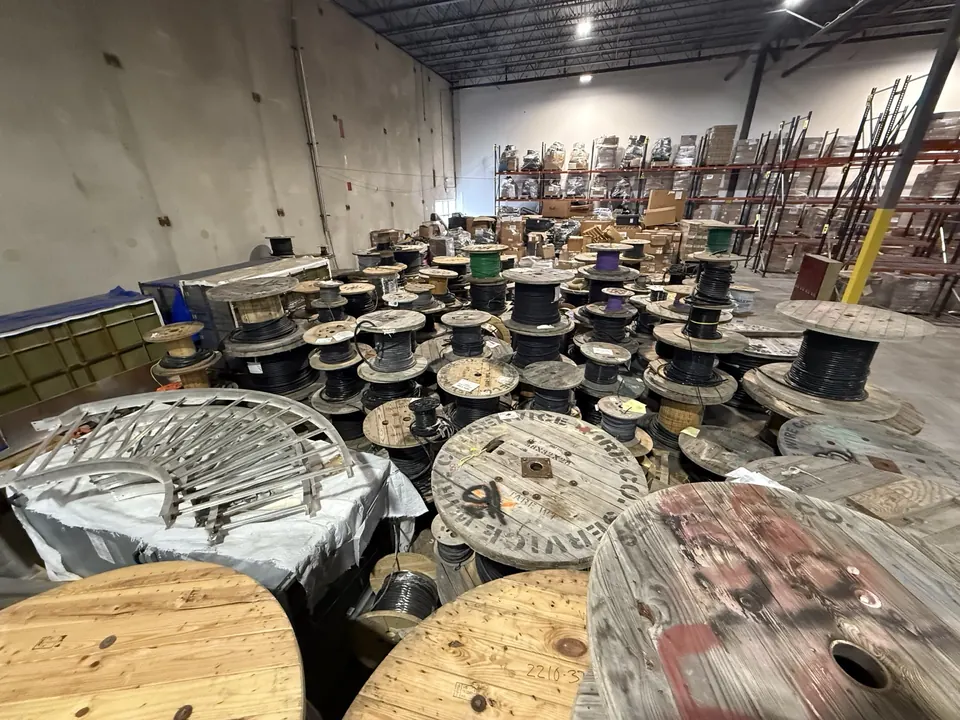
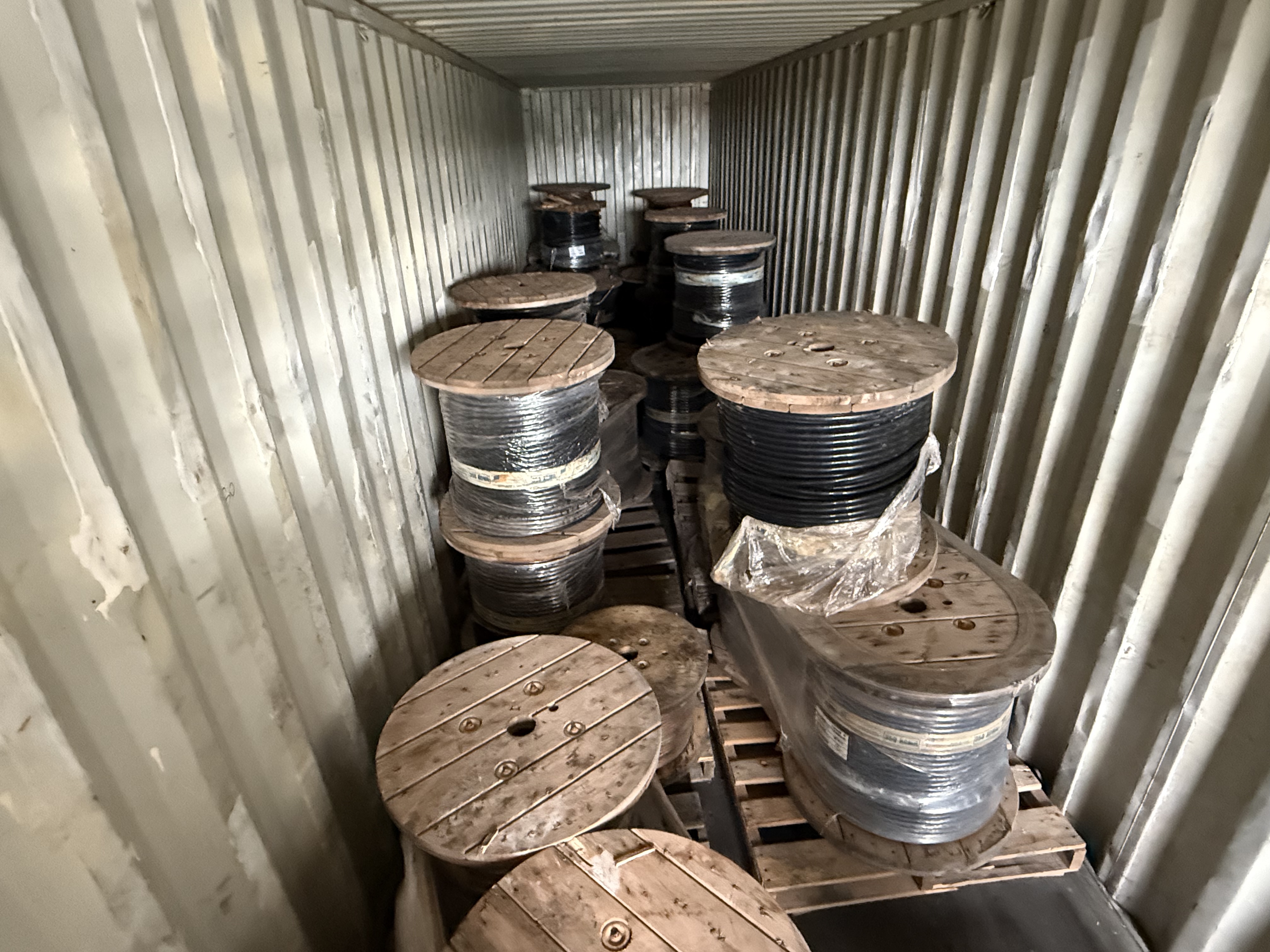
Seattle-area submissions should identify building wire and bare copper by actual jacket, tag, or conductor evidence rather than supplier-style descriptions, and should disclose rain or outdoor-storage exposure.
Read the jacket or carton for THHN, THWN-2, XHHW-2, conductor metal, gauge, voltage rating, and manufacturer. Photograph the printing in sequence when a single frame cannot show every marking.
Group unlike wire into a simple inventory: type, size, conductor, package, and estimated quantity. Counts by reel, coil, carton, pallet, or loose bundle are more useful than one combined weight when the mix has different resale paths.
Report dock, alley, curb, elevator, yard, or secured-site access; include rain protection, forklift capacity, reel weights, and appointment restrictions.
This site is focused on purchasing surplus wire from sellers. Submit identifiable inventory, quantity, condition, location, and photos for a buying review rather than a retail-sales request.
Seattle-area submissions should rely on labels, conductor evidence, quantity, and visible condition rather than supplier-style descriptions. Rain or moisture matters when the photographs or storage history show it, while dry protected stock should remain a separate group.
List THHN, XHHW, MC cable, gauge or kcmil, conductor, package, length, label, and sealed or opened condition.
Record bare or insulated construction, size, coil or reel quantity, plating, corrosion, and clean end evidence.
Describe indoor or outdoor storage, covering, alley, curb, dock, elevator, yard, appointments, weights, and lifting equipment.
Record rain protection until collection, alley or curb restrictions, dock or freight-elevator timing, reel and pallet weights, forklift or crane capacity, site contact, and responsibility for staging.
No. Describe actual storage and visible evidence. Keep dry protected stock separate and show covering, stains, corrosion, jackets, packages, reel cores, hardware, and ends where relevant.
Photograph coil or reel quantity, conductor diameter or marked size, strand construction, plating, corrosion, cut ends, storage, and any mixed insulated or attached material.
A Seattle submission can combine indoor cartons with feeder reels stored under exterior cover where moisture exposure must be demonstrated clearly in the records and photographs. Each material and condition class—dry indoor stock, covered outdoor reels, and weather-affected or unlabeled cable—should be separated so moisture-sensitive packages are not conflated with protected stock during review.
Visible jacket, printing, reel hardware, packaging integrity and storage condition form the basis for assessing whether a covered reel group should be classified with dry indoor material or with weather-affected stock. The reviewer will treat clearly protected, dry stock differently from reels that show water, corrosion, or damaged packaging because those conditions change the material classification and documentation needs.
When weather and cover conditions are relevant, state whether each reel or carton is covered, whether it contacted the ground, dock or pallet, and the condition of the approach and storage surface so handling risk can be judged. Any decision to release covered outdoor material during wet conditions requires verified storage facts, a plan for safe handling, and mutually agreed written arrangements before material is moved.
Document covered reels and moisture-sensitive packages as their own inventory line, show tag and jacket printing photos, note flange and fill condition, and include dated photos of coverings and ground contact so moisture evidence is explicit for review.
State the exact storage position, the route to the loading point, door and ground clearances, dimensions or weights that affect handling, site permissions, and the rated equipment intended for use when releasing covered outdoor material during wet weather.
Select a relevant guide for construction and quantity evidence, or open the complete wire directory if your lot does not fit these common commercial categories.