Accepted inventory for this route
Copper and aluminum feeder cable on reelsTHHN, XHHW, and grounding conductorMC cable, service cable, and packaged project surplus
Prepare surplus, used, and leftover electrical wire located in Denver, Colorado for commercial review, including THHN, XHHW, MC cable, copper, aluminum, and documented mixed lots. Any offer, freight, loading, pickup, timing, and payment terms depend on the submitted material, location, written terms, and approval.
If your commercial wire lot is located in Denver, document the material and the party authorized to release it before requesting a buyer review.
Group building or feeder wire by conductor, gauge or kcmil size, insulation and usable length. Show reel, carton, or pallet counts; photograph readable jacket or reel markings, cut ends, packaging and any damage. Give the actual material location, loading access and available quantity. Reusable inventory and recovery-only wire may require different evaluation.
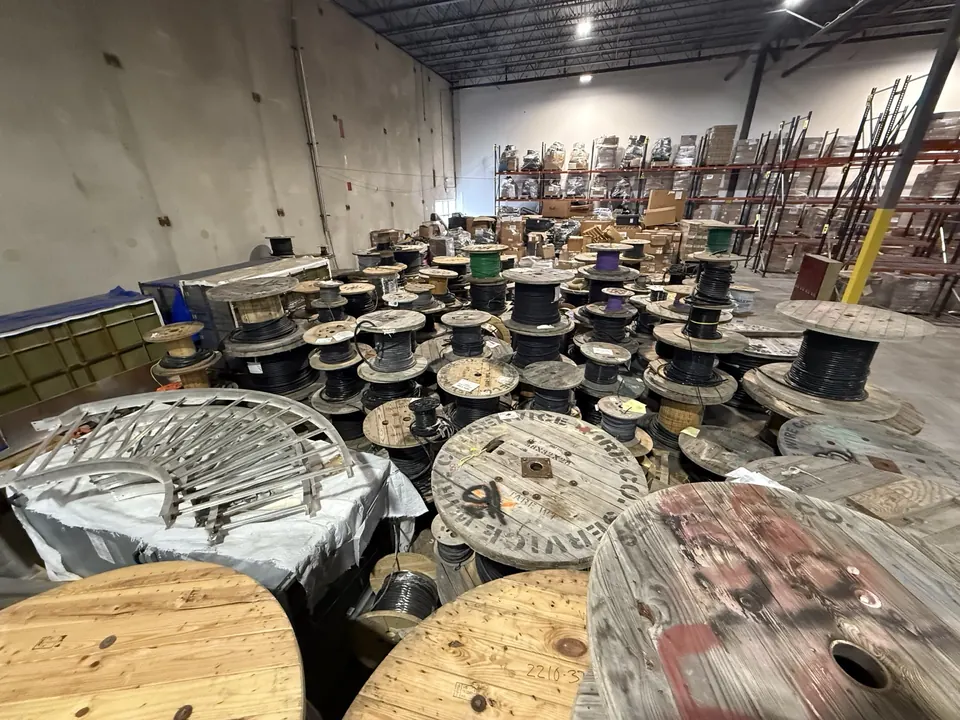
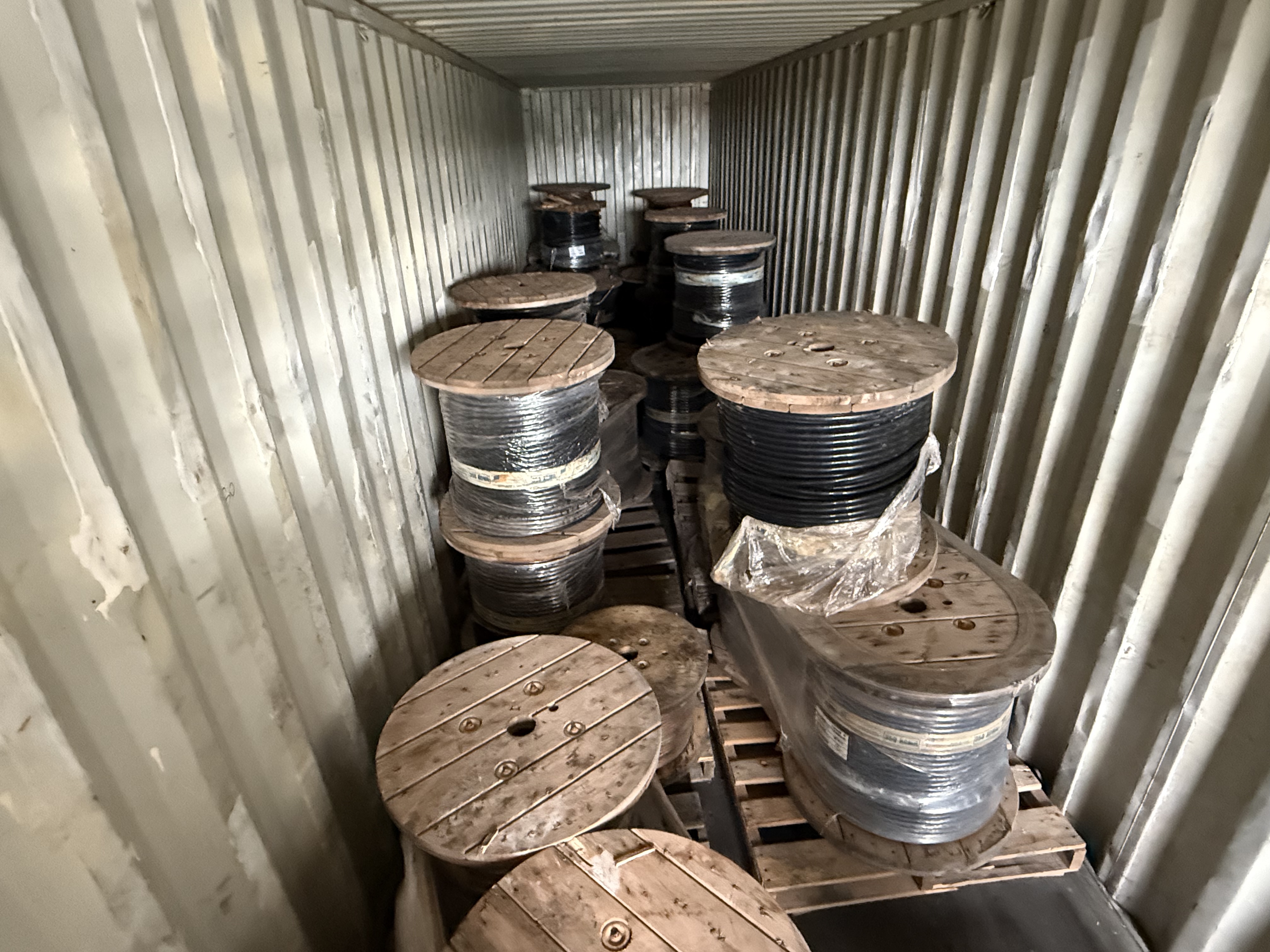
Denver-area submissions should document altitude-related outdoor storage conditions only when visible, while focusing the review on labels, reel quantities, jacket condition, access, and release timing.
Show the printed size in kcmil or MCM, copper-versus-aluminum conductor, insulation family, voltage rating, and strand condition. A clean cut-end photo helps confirm conductor metal and compact or concentric stranding.
List each reel separately when sizes or remaining footage differ. Provide reel diameter, flange-to-flange width, estimated or tag footage, and whether the reel can turn freely for inspection or loading.
Provide yard or warehouse access, snow-season constraints, dock or forklift capacity, reel weights, trailer clearance, and the required pickup date.
List size, conductor, insulation, footage estimate method, reel dimensions, weight, storage exposure, jacket condition, release date, and loading capacity.
A Denver-area submission commonly includes commercial feeder reels and cartons stored both inside dry spaces and outdoors where rapid weather shifts occur; each storage condition group should be documented on its own. Altitude and temperature swings can affect coverings, conductor ends, and reel hardware, so the inventory must distinguish indoor-protected material from yard-stacked or exposed reels. Any note about moving or combining material should be supported by clear authorization and complete, item-level condition evidence before further assessment.
Visible markers such as legible jacket legends, intact reel tags, and undamaged conductor ends will be weighed more favorably than items with exposure-related wear; altitude-driven environmental effects should be noted in the item record. Indoor-protected cartons and coils will be assessed against outdoor-stacked reels on separate evidentiary bases, taking condition, quantity, and identification into account. Final assessments for mixed indoor/outdoor lots will be adjusted when full itemization, release authorization, and clarifying images are provided for each storage group.
When weather could affect onsite access, document whether material is covered, the condition of the immediate ground or yard, and any seasonal constraints that influence safe handling routes. Provide information about the available rated equipment on site, and describe the path from storage position to the designated handling area so implications for movement are visible. Any subsequent planning about accessing or grouping these materials will rely on the confirmed, item-level inventory and the stated handling capabilities at the site.
List mixed indoor and outdoor storage as separate inventory lines, include label images, quantity basis, and condition photos for each group, and note whether counts are estimated or exact. The submission’s assessment will be refined after complete item-level identification and authorization details are supplied.
When material must be moved after snow, wind, or other yard changes, state the exact storage position, the route to the handling area, ground and approach conditions, dimensions or weights that affect handling, site permissions, and what rated equipment is present for those conditions.
Select a relevant guide for construction and quantity evidence, or open the complete wire directory if your lot does not fit these common commercial categories.