Nationwide buyers of surplus & used electrical wire · Call 954-740-1983

Electrical Wire Buyers in San Francisco, CA

Prepare surplus, used, and leftover electrical wire located in San Francisco, California for commercial review, including THHN, XHHW, MC cable, copper, aluminum, and documented mixed lots. Any offer, freight, loading, pickup, timing, and payment terms depend on the submitted material, location, written terms, and approval.

Reuse/recovery separationCopper & aluminumCommercial quantitiesPhoto-based reviewLogistics after approvalDirect buying desk
Inventory Review

Request a Review of Your Surplus Wire

Tell us what you have so the buying desk can determine whether it fits current purchase requirements. Any offer, timing, payment, freight, loading, or pickup arrangement requires written terms and approval.

Not sure of the wire type or metal? Choose the not-sure option, or call 954-740-1983. Keep photos and reel labels ready; this form does not upload photos.

Would rather talk? Call 954-740-1983

Your information goes straight to our buying desk — we never share or sell it.

Separate identifiable wire from recovery-only material.

If your commercial wire lot is located in San Francisco, document the material and the party authorized to release it before requesting a buyer review.

Group building or feeder wire by conductor, gauge or kcmil size, insulation and usable length. Show reel, carton, or pallet counts; photograph readable jacket or reel markings, cut ends, packaging and any damage. Give the actual material location, loading access and available quantity. Reusable inventory and recovery-only wire may require different evaluation.

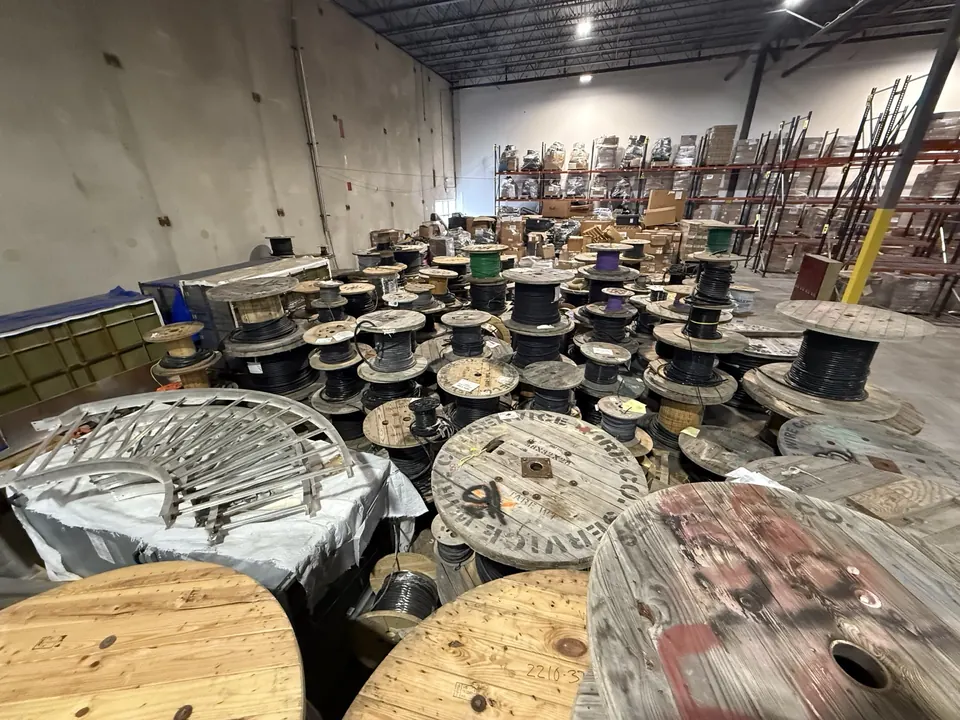
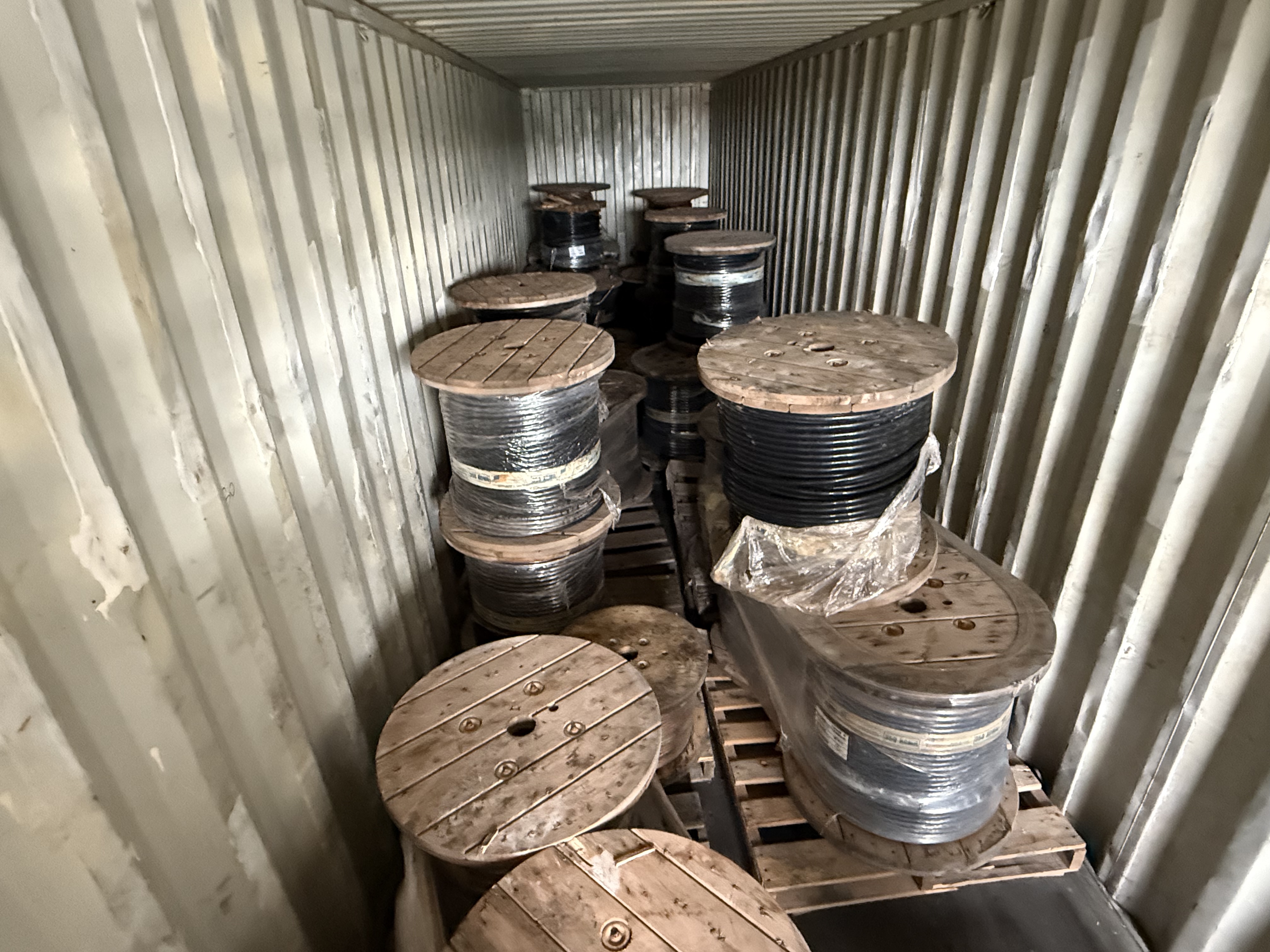
Documented electrical wire inventory prepared for review in San Francisco, CAElectrical wire reels staged for a documented logistics review

Space-constrained vertical handling review for a San Francisco wire submission

In San Francisco submissions, high-value feeder cuts, MC cable, and packaged building wire are often stored in locations where elevator size, stair clearances, and curb geometry constrain vertical movement and handling plans. Each material group must therefore be documented with respect to its floor location, handling unit weight, and any packaging that affects whether it can be moved through building egress points.

Commercial inventory to describe

Small-diameter building wire in labeled coils or cartons arranged by gauge and color for compact lots requiring preserved identificationCompact MC cable presented as coils separate from loose insulated conductor, recorded by coil size and package conditionLimited feeder and grounding-wire bundles sorted by size and length, with handling unit identified for vertical movement considerations

Identification and preparation evidence

Record visible jacket legends, armor details, conductor metal, conductor count, and package identity for each coil or carton, and tie those identifications to the floor or storage room in which they sit.State quantities by the physical handling unit that will be moved through stairs or elevators and include measured weights or estimated fills along with package condition visible in the storage location.Photograph each material group alongside the building egress used for movement, including door widths, elevator interior dimensions, ceiling heights, and the exterior point where packages would be moved to street level.Label and stage only the units that match the building's handling constraints, separate reusable lengths from short offcuts, and identify any pending building approvals required to use elevators or service entrances.

Keep the lot traceable from label to total quantity.

Review weighs material identity, measured handling-unit weights, and packaging integrity against the building's vertical access constraints to determine practical handling scope. Reel and bundle dimensions, consolidation feasibility, and whether required building approvals are documented will influence whether specific material groups can be moved as presented. For this route the assessment centers on preserving identification for long cuts and ensuring that vertical handling limits are explicit in the submission.

Describe the site before any logistics are approved.

When material is inside multilevel or access-controlled structures, provide floor and room location, elevator car dimensions, doorway clearances, appointment requirements, and any building authorization references that affect vertical movement. Any staging and labor arrangements depend on confirmed access parameters, documented equipment capacity, and written authorization to use service elevators or loading bays. Specify whether the building requires an escort, time-window restrictions, or signed approval before handling units are moved through vertical egress.

Continue with the relevant material and location records.

How should a San Francisco, CA seller document compact lots where long cuts must stay identified?

Document compact lots where long cuts must stay identified by listing each coil or carton as its own inventory line, showing clear photos of the jacket legend and visible ends, stating the handling-unit basis for the quantity, and flagging any partial fills; tie each line to the specific floor or room so reviewers can confirm identification without assuming consolidation.

What access facts matter when using elevators, steep access, or limited curb space in San Francisco, CA?

When elevators, steep access, or limited curb space are involved, provide the storage floor, elevator interior and doorway measurements, route clearances, measured weights or approximate bundle dimensions that affect movement, and any building permissions or appointment rules so reviewers can assess vertical handling feasibility.

Identify the wire before requesting review.

Select a relevant guide for construction and quantity evidence, or open the complete wire directory if your lot does not fit these common commercial categories.