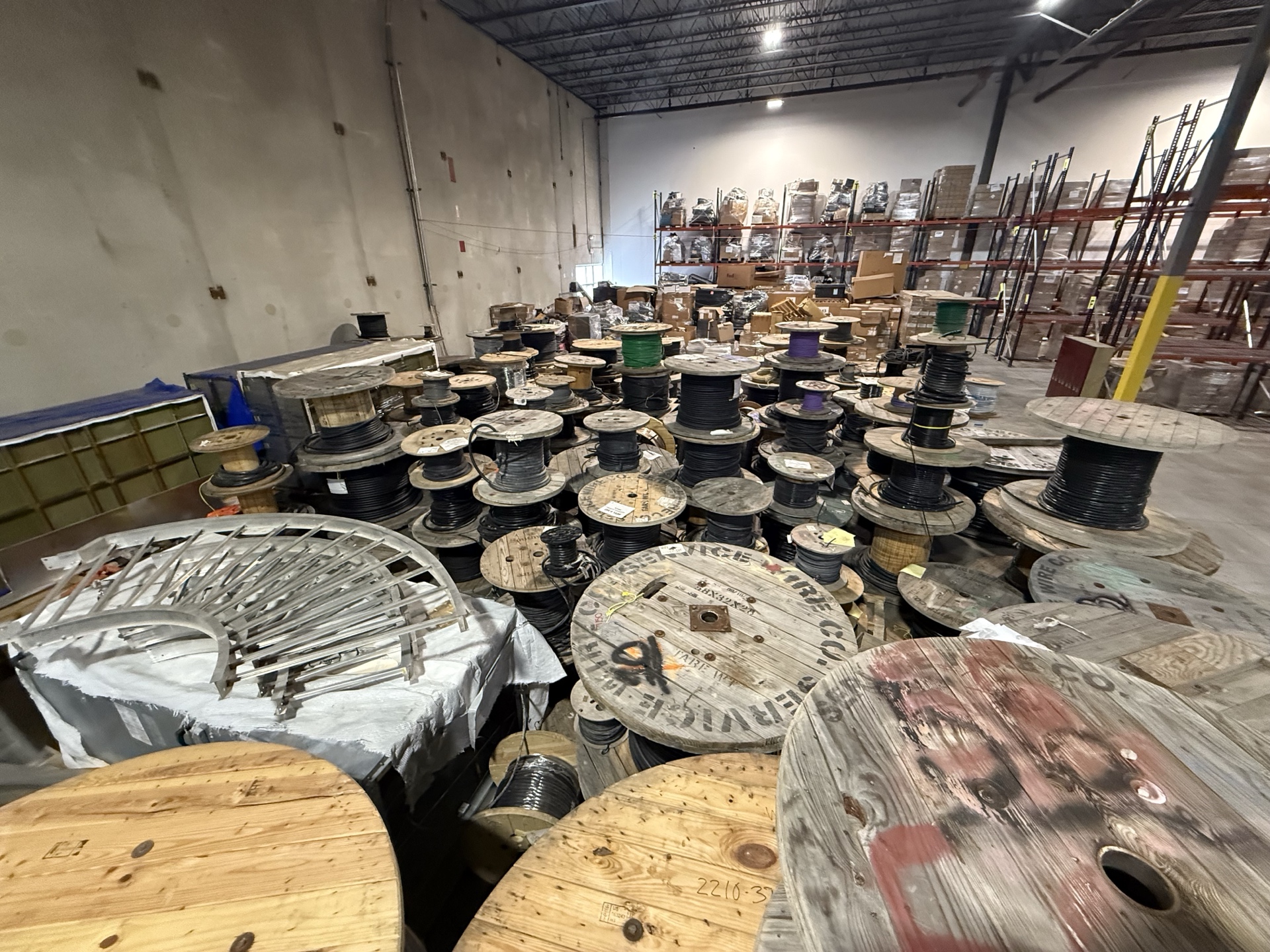
Accepted inventory for this route
Insulated copper building and feeder cableBare or tinned grounding conductor and clean copper cutsArmored, connector-bearing, or mixed electrical copper sorted for review
Prepare recovery-only insulated conductor, short removed wire, attached electrical copper, and mixed copper-bearing lots as distinct material groups for disposition review.
Electrical scrap copper can include clean conductor, insulated cable, bus-related offcuts, armored wire, and mixed removed material. Separate distinct constructions and disclose attached hardware or contamination.
For removed cable, show the jacket legend, clean conductor ends, insulation condition, and any contamination, splices, crushing, heat damage, or water exposure. State whether the material was pulled intact or cut during removal.
Estimate length or weight by cable size and keep intact runs separate from chopped material. Note pull damage, exposed conductor, splices, lugs, and whether terminations can be removed before pickup.
State how loose material is contained and weighed, whether attachments can be removed safely, and what equipment is available for pallets, boxes, or heavy bundles.
Yes. Show the attached components, conductor, insulation, contamination, quantity, and whether safe removal is possible; do not represent gross weight as clean copper weight.
Electrical copper recovery lots may include insulated conductors, grounding wire, bus-related offcuts, armored cable, lugs, plugs, connectors, and removed equipment tails. The submission should distinguish clean conductor evidence from gross assembled weight.
Identify bare, tinned, insulated, flexible, feeder, grounding, or unknown copper groups and show representative cross-sections.
List lugs, armor, plugs, steel, insulation, enclosures, tape, hardware, and mixed metals that remain in the measured weight.
Document burns, corrosion, oil, water, concrete, dirt, chemical residue, or heat damage by group.
Explain how material is contained, whether attachments can be removed safely before pickup, and the weight and dimensions of boxes, pallets, bins, or bundles. Identify lifting equipment and any site rules for removed electrical material.
Yes, but disclose and photograph every attachment and keep gross assembled weight distinct from any estimated conductor weight. Removal responsibilities must be agreed before handling.
Provide container or scale records when available, tare information, representative cross-sections, several sample photos, and a written breakdown of insulated, bare, attached, armored, and contaminated groups.
Prepare recovery-only insulated conductor, short removed wire, attached electrical copper, and mixed copper-bearing lots as distinct material groups for disposition review.
Our buying desk reviews wire type, conductor metal, size, quantity, condition, ownership, release status, and location. Send clear photos and the available inventory details so the team can determine whether the material is a fit.