Accepted inventory for this route
Large feeder, tray, and portable power cableTHHN, XHHW, MC cable, and grounding conductorURD, USE-2, service cable, and mixed project surplus
Prepare surplus, used, and leftover electrical wire located in Texas for commercial review. Freight or pickup is considered only after material, location, loading, and written purchase terms are approved.
Contractors, warehouses, facilities, utilities, demolition sites, and authorized project owners can submit documented copper and aluminum wire located in Texas.
Commercial quantities can include full reels, partial surplus reels, mixed building wire, large feeder cable, and removed-from-service conductor. Send photos and location details for review; any offer and logistics plan depends on written terms and approval.
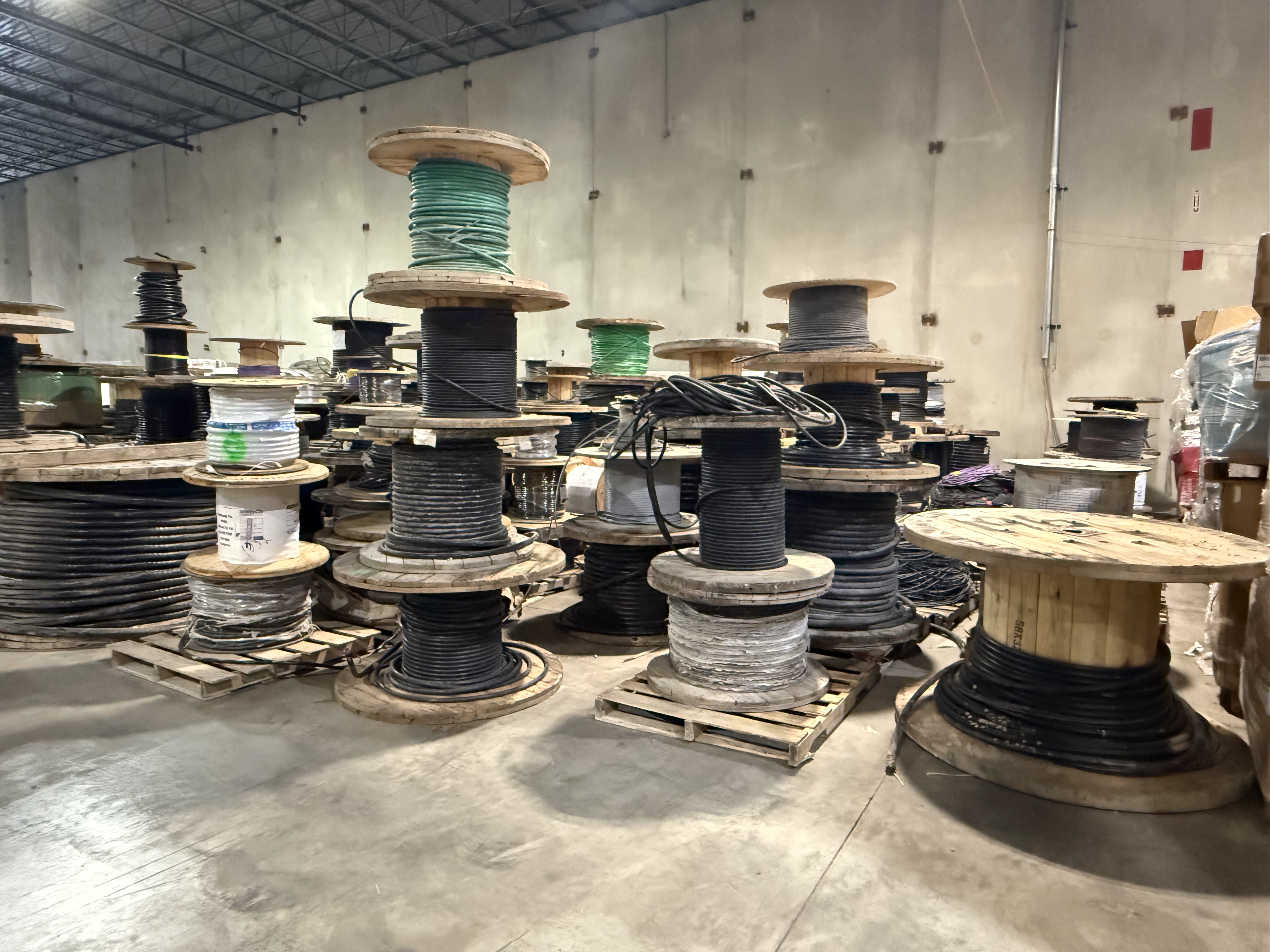
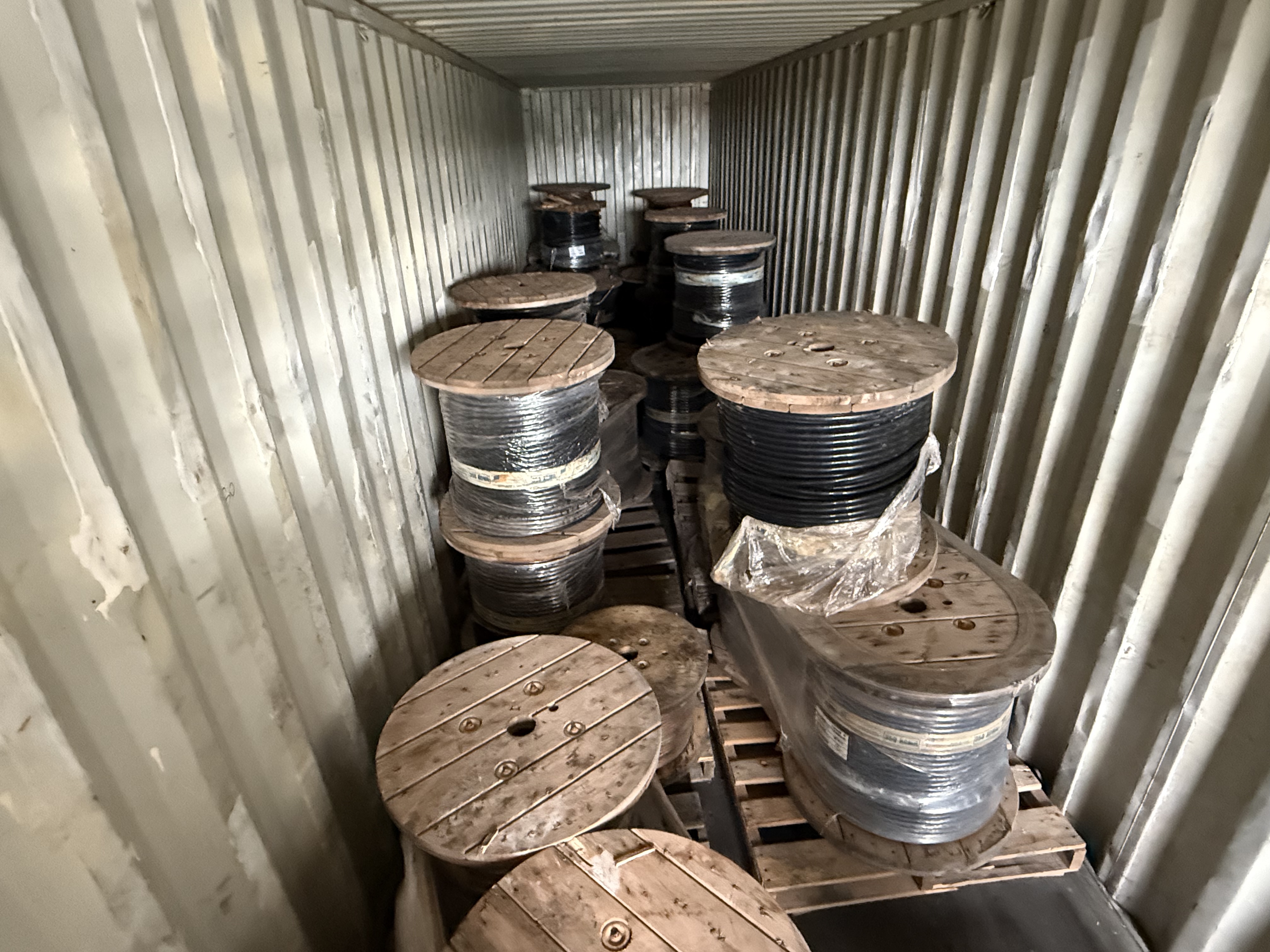
Texas sellers can request review for Gulf Coast, North Texas, Central Texas, and statewide commercial or industrial wire inventory without assuming a local office or yard.
A Texas submission may involve one warehouse or several project sites, so the inventory should identify every staging city and keep heavy industrial reels separate from contractor building wire.
Separate the lot by visible label whenever practical: wire family, copper or aluminum, gauge or MCM size, conductor count, and new-versus-removed condition. Unknown material can still be reviewed when the jacket and cut ends are photographed clearly.
Group unlike wire into a simple inventory: type, size, conductor, package, and estimated quantity. Counts by reel, coil, carton, pallet, or loose bundle are more useful than one combined weight when the mix has different resale paths.
List each pickup city, site contact, release date, reel or pallet weights, dock or yard conditions, and available lifting equipment.
Yes. Use one inventory section per site with material, quantities, photos, access, contact, and release timing, then state whether consolidation is possible.
A Texas lot may range from boxed contractor wire to heavy industrial feeder and tray-cable reels. Statewide coverage does not erase distance, site access, reel weight, release timing, or the need to keep unlike inventory groups traceable.
Record conductor, insulation, size, footage, dimensions, gross weight, storage, and rated lifting equipment for each feeder or tray-cable reel.
Count labeled cartons, coils, pallets, MC cable, THHN, XHHW, grounding wire, and opened project remnants separately.
Identify city, owner, contact, site type, security or appointment rules, earliest release, removal deadline, and whether consolidation is possible.
Provide dock, yard, road, gate, trailer, crane, forklift, rack, axle, pallet, and reel details for each city. A long-distance transfer or multi-stop collection is evaluated only after the site records are complete.
Yes. Keep separate inventories, photos, contacts, access notes, weights, release dates, and loading plans for each city, then explain whether one owner can consolidate them.
Dimensions, gross weight, axle access, rack or ground position, yard and trailer conditions, lifting ratings, appointments, distance, and the party responsible for loading all matter.
This Texas statewide coordination involves large feeder reels and ordinary commercial building wire that are likely separated by substantial site and handling differences, and each site address must be documented as its own factual inventory for later comparison. Maintain reel‑level identification and separate photo sets for each address so condition, release status, and handling constraints can be compared across locations rather than consolidated prematurely. Ownership, release authorization, and consistent reel‑by‑reel quantities will be essential to any later consolidation discussion, so those facts should be recorded per address.
Buyer assessment will be driven by confirmed material identity, reel‑by‑reel quantities, and the practical handling requirements at each documented site; reel weight, flange dimensions, and package integrity influence whether reels can be staged or require special handling. Statewide coordination depends on consistent recordkeeping across addresses, clear release documentation, and reconciled counts so any cross‑site comparison references verified reel quantities and site‑specific constraints rather than aggregated assertions.
If inventory is split between Texas addresses, list quantities and access facts for each location, note whether authorized consolidation is permitted, and provide the physical constraints that affect movement at each site such as dock heights, roadway clearances, or onsite handling equipment. Logistical assumptions cannot be finalized without final released counts, site authorization, and written terms that confirm which sites will participate in any consolidation.
Keep a separate inventory and photo set for each Texas address, tie tagged reels to their site with footage or fill notes, identify an authorized seller or agent per address, and state explicitly whether consolidation of material from multiple sites is permitted; cross‑site comparisons require reconciled counts and written release.
For each Texas site include storage position, dock or ground access details, doorway and roadway dimensions, reel weights or footage that affect handling, any appointment or security requirements, and the rated equipment on site or permitted for use so access constraints are clear in a statewide submission.
Every location below is a direct crawlable link, preserving the former state-hub architecture.