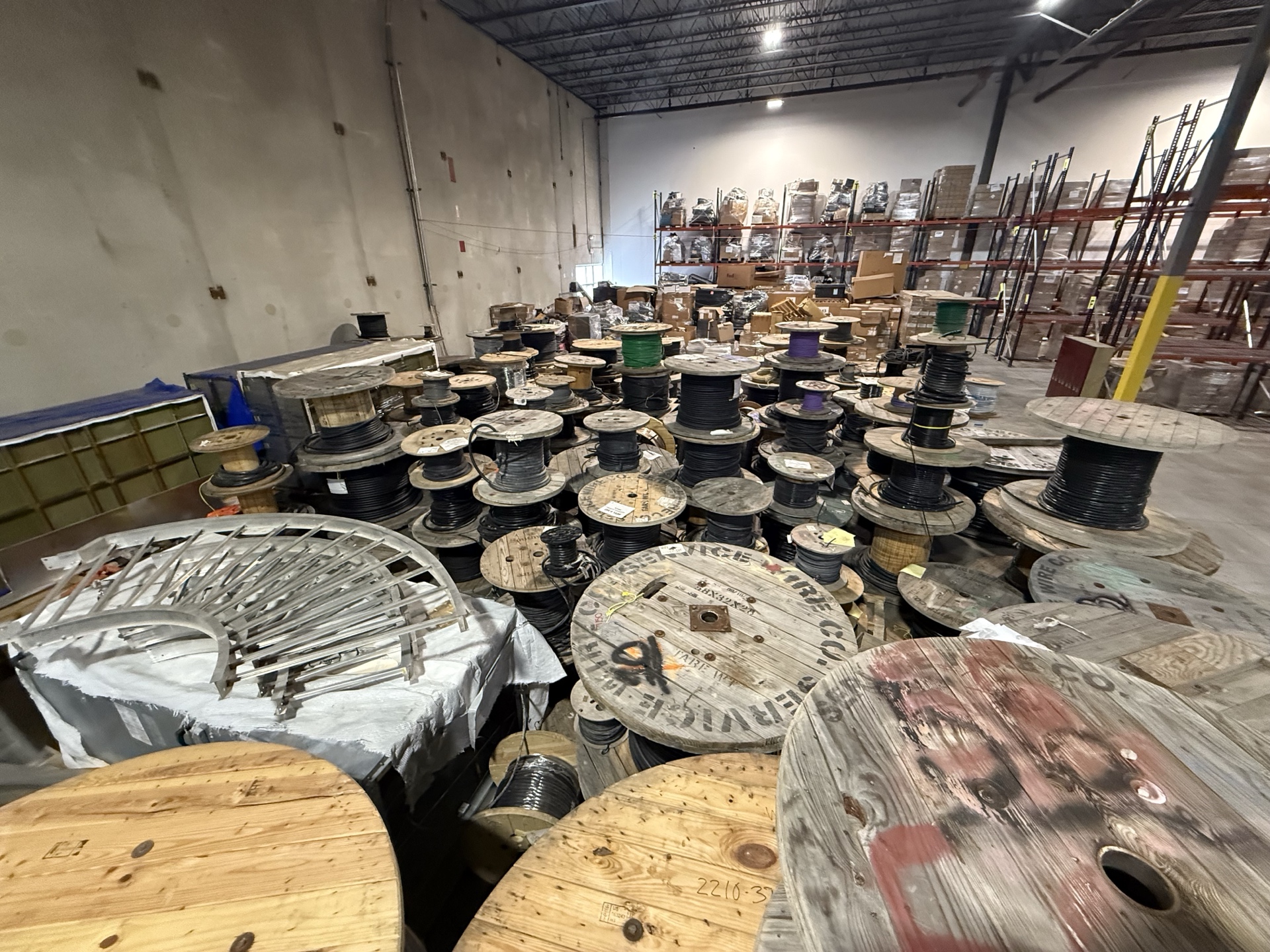
Accepted inventory for this route
Long insulated copper or aluminum cable with readable markingsSorted removed conductor and clean grounding wireDamaged or short material disclosed as recovery-only rather than reusable
Separate removed, leftover, and recovery-grade electrical wire by metal, construction, attachments, contamination, usable length, and documented quantity for review.
Electrical Wire Buyers can review removed and surplus wire, but usable, labeled lengths should not be buried in a chopped or contaminated scrap mix. Sort by condition and identity before requesting a direct review.
For removed cable, show the jacket legend, clean conductor ends, insulation condition, and any contamination, splices, crushing, heat damage, or water exposure. State whether the material was pulled intact or cut during removal.
Estimate length or weight by cable size and keep intact runs separate from chopped material. Note pull damage, exposed conductor, splices, lugs, and whether terminations can be removed before pickup.
Loose or chopped wire may require secure containers, pallets, gaylords, or banded bundles. Describe how the material will be weighed, contained, and loaded.
No. Separate identifiable reels, long cuts, and packaged wire from chopped, burned, contaminated, tangled, or unlabeled material so each group can be assessed appropriately.
Scrap wire is not one uniform commodity. Chopped insulated conductor, long labeled cable, burned wire, armored material, mixed connectors, and tangled pulls require different handling and should not be represented as one clean grade.
Separate tagged reels and long reusable cuts from short pieces, tangled pulls, and chopped material.
List armor, lugs, plugs, connectors, steel support, enclosures, or mixed-metal components that remain attached, and identify which group contains each attachment.
Disclose fire, oil, water, mud, concrete, corrosion, chemical, or unknown exposure with representative close photographs.
Describe gaylords, bins, pallets, loose bundles, or roll-off containers; state gross and known tare weights; and explain dock, forklift, loader, or ground-pickup conditions. Keep heavy loose wire contained for safe transport.
Usually not. Separate construction, metal, contamination, attachments, and usable-length groups so the buyer can understand what the weight includes.
It can be disclosed for review, but photographs and exposure details are required. Never hide burning, oil, water, chemicals, concrete, corrosion, or mixed material inside a cleaner grade.
Separate removed, leftover, and recovery-grade electrical wire by metal, construction, attachments, contamination, usable length, and documented quantity for review.
Our buying desk reviews wire type, conductor metal, size, quantity, condition, ownership, release status, and location. Send clear photos and the available inventory details so the team can determine whether the material is a fit.