Accepted inventory for this route
Tagged feeder cable reels and long copper cutsTHHN/THWN, XHHW, and grounding conductorIndustrial tray cable and flexible power cable
Prepare surplus, used, and leftover electrical wire located in St. Louis, Missouri for commercial review, including THHN, XHHW, MC cable, copper, aluminum, and documented mixed lots. Any offer, freight, loading, pickup, timing, and payment terms depend on the submitted material, location, written terms, and approval.
If your commercial wire lot is located in St. Louis, document the material and the party authorized to release it before requesting a buyer review.
Group building or feeder wire by conductor, gauge or kcmil size, insulation and usable length. Show reel, carton, or pallet counts; photograph readable jacket or reel markings, cut ends, packaging and any damage. Give the actual material location, loading access and available quantity. Reusable inventory and recovery-only wire may require different evaluation.
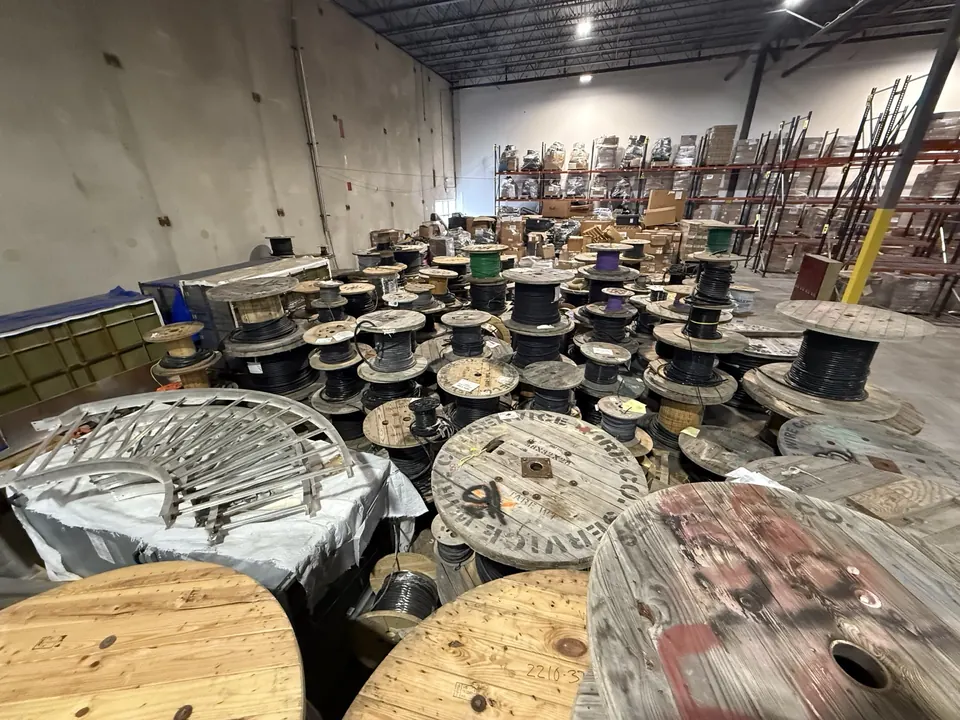
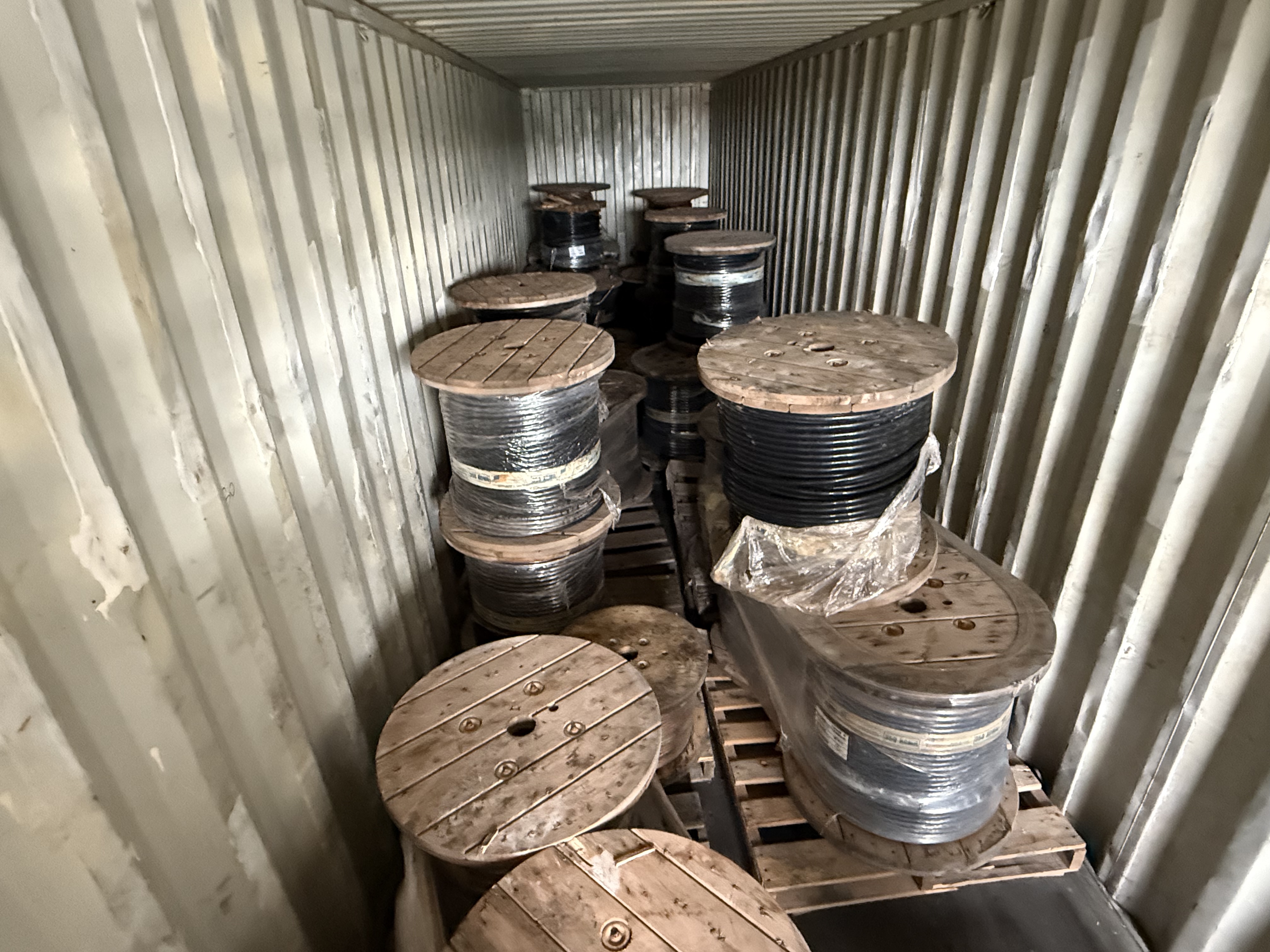
St. Louis-area sellers should distinguish warehouse or contractor surplus from plant or building removal. Heavy reels, long feeder cuts, and boxed branch-circuit wire require different quantity records.
Separate the lot by visible label whenever practical: wire family, copper or aluminum, gauge or MCM size, conductor count, and new-versus-removed condition. Unknown material can still be reviewed when the jacket and cut ends are photographed clearly.
Group unlike wire into a simple inventory: type, size, conductor, package, and estimated quantity. Counts by reel, coil, carton, pallet, or loose bundle are more useful than one combined weight when the mix has different resale paths.
Provide dock type, yard surface, indoor aisle width, forklift rating, reel weight, and whether removal from racks or upper levels is required.
Yes. Inventory them as separate groups with individual size, conductor, insulation, length or weight, condition, and handling information.
The St. Louis submission shows tagged feeder reels, boxed building wire, and long removed cable that are spread among rack positions, various floor locations, and a yard; each handling unit should be identified in place with clear labels and storage position notes. Because reels, cartons, and removed lengths share the same footprint, the documentation must preserve separation by material type, packaging form, and visible condition so that each group can be assessed against its own release and ownership records.
This rack-to-yard review emphasizes verifying conductor identity, package integrity, and a documented quantity basis for each handling unit rather than treating the facility as a single batch of material. Any assessment of consolidation or usability is provisional until reel tags, carton markings, and a photographed count of removed lengths are submitted to confirm identity, quantity, and condition against handling constraints.
When material resides in a warehouse or an exterior yard, supply rack position, aisle and clearance dimensions, door and gate widths, and the stability of palletized reels so that safe extraction implications can be reviewed. Also describe the rated lifting interface or equipment requirements at the rack and the route from the storage position to the exterior area; an access appraisal will remain provisional until those specifics and documented release records are verified.
Document each group separately: list reel tags and hub markings, photograph carton labels and exposed spool ends, state the quantity basis for reels and removed lengths, and band reusable lengths apart from short scrap; the assessment will be provisional until a complete inventoried lot and release documentation are available for review.
Provide precise storage positions (rack bay, floor location, or yard quadrant), aisle width, door and gate dimensions, and any required clearances or rated lifting interfaces at the rack face so that extraction constraints can be evaluated; a full access appraisal requires verification of these specifics and documented release authority.
Select a relevant guide for construction and quantity evidence, or open the complete wire directory if your lot does not fit these common commercial categories.