Nationwide buyers of surplus & used electrical wire · Call 954-740-1983

Electrical Wire Buyers in Shoreline, WA

Prepare surplus, used, and leftover electrical wire located in Shoreline, Washington for commercial review, including THHN, XHHW, MC cable, copper, aluminum, and documented mixed lots. Any offer, freight, loading, pickup, timing, and payment terms depend on the submitted material, location, written terms, and approval.

Reuse/recovery separationCopper & aluminumCommercial quantitiesPhoto-based reviewLogistics after approvalDirect buying desk
Inventory Review

Request a Review of Your Surplus Wire

Tell us what you have so the buying desk can determine whether it fits current purchase requirements. Any offer, timing, payment, freight, loading, or pickup arrangement requires written terms and approval.

Not sure of the wire type or metal? Choose the not-sure option, or call 954-740-1983. Keep photos and reel labels ready; this form does not upload photos.

Would rather talk? Call 954-740-1983

Your information goes straight to our buying desk — we never share or sell it.

Separate identifiable wire from recovery-only material.

If your commercial wire lot is located in Shoreline, document the material and the party authorized to release it before requesting a buyer review.

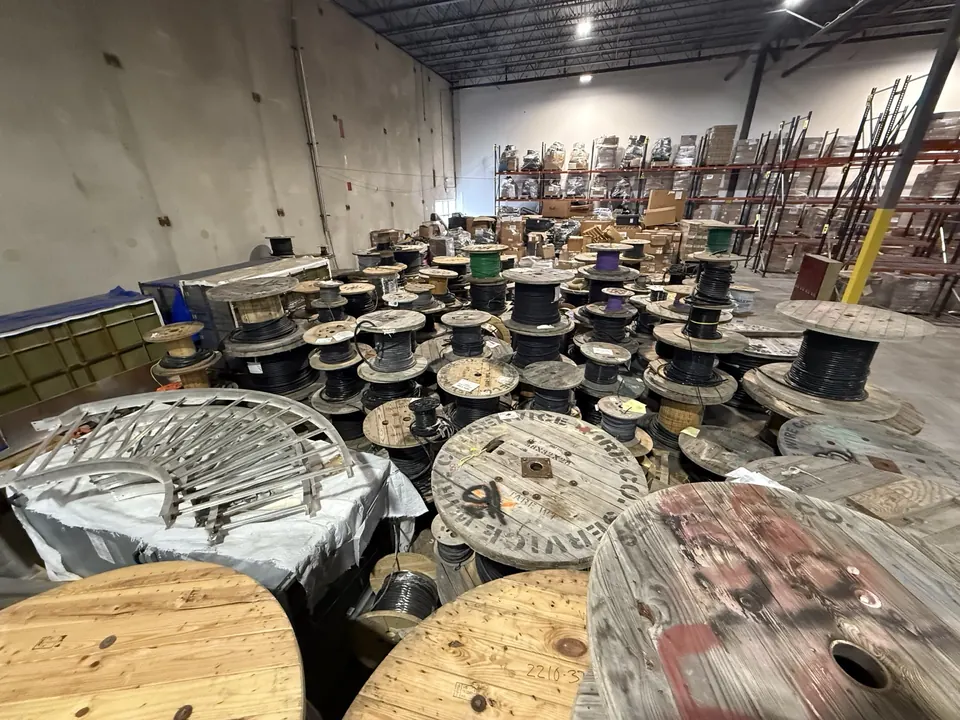
Group building or feeder wire by conductor, gauge or kcmil size, insulation and usable length. Show reel, carton, or pallet counts; photograph readable jacket or reel markings, cut ends, packaging and any damage. Give the actual material location, loading access and available quantity. Reusable inventory and recovery-only wire may require different evaluation.

Documented electrical wire inventory prepared for review in Shoreline, WAElectrical wire reels staged for a documented logistics review

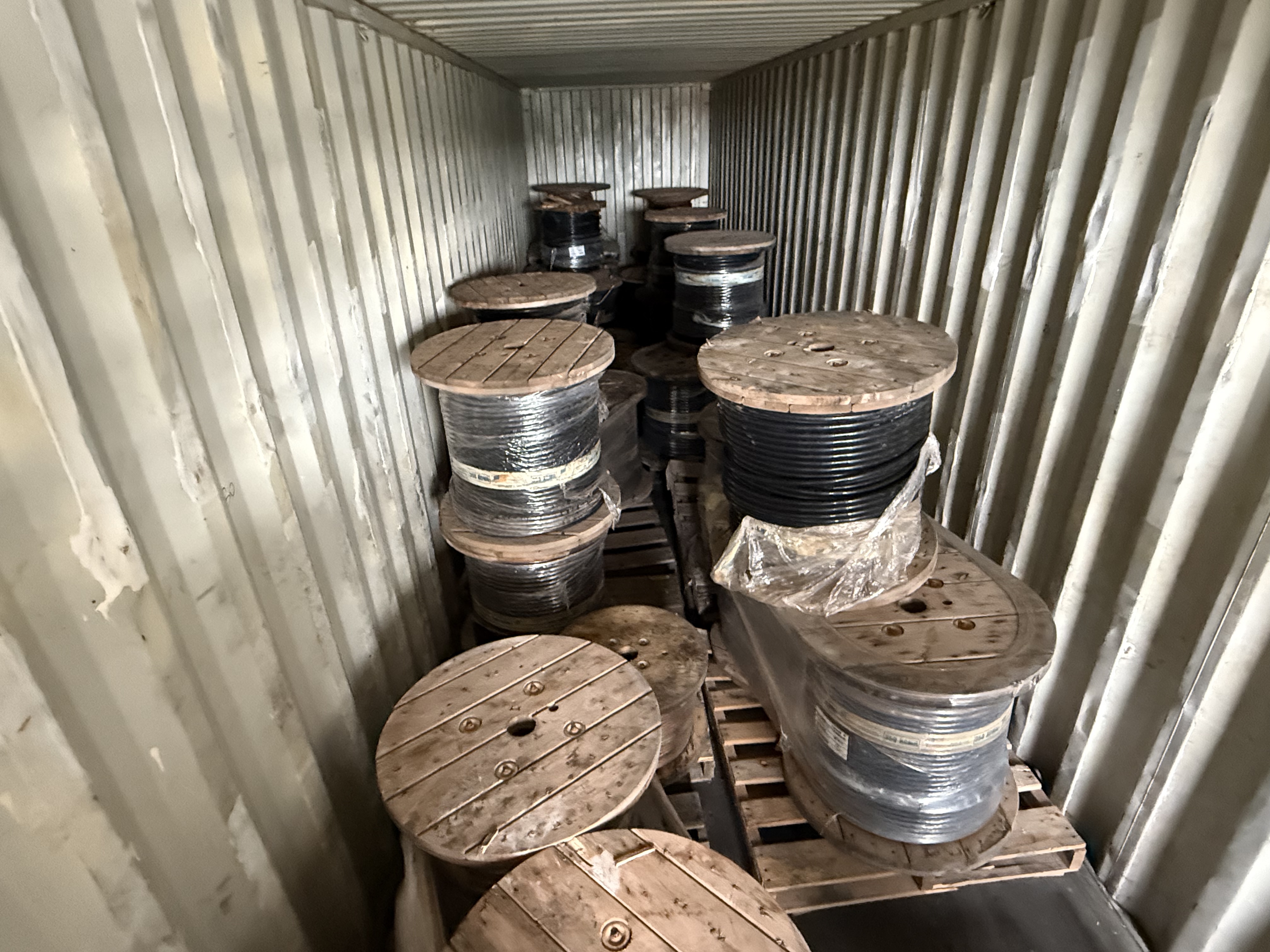
Moisture-protected compact stock review for a Shoreline wire submission

This submission records metal-clad (MC) cable coils, boxed small-diameter building wire, and short feeder bundles that have been stored under cover where some package surfaces show signs of prior moisture contact. Photographs and itemized lines should make clear which handling units remained protected and which units exhibit wetting, staining, or compromised packaging to support separate condition assessments.

Commercial inventory to describe

Small-diameter building wire presented in coils or cartons, itemized by AWG and conductor color with each coil shown as an individual handling unit for condition and count verificationCompact metal-clad (MC) cable recorded as distinct coil entries that note coil diameter, core/reel type, jacket/armor condition, and any visible wetting so these are not combined with loose insulated conductor listingsShort feeder and grounding-wire bundles enumerated by conductor size and nominal length, each listed as a separate unit for independent condition review and quantity reconciliation

Identification and preparation evidence

Photograph jacket printing, package labels, conductor ends, and reel hardware at both overview and close-up scales so manufacturer, gauge, and construction remain traceable even when coverings obscure some areas.Separate image sets and line items for material kept dry versus material showing water stains, damp packaging, surface corrosion, or contaminated coverings; explicitly note any reels or cartons that contacted the ground or unprotected surfaces.Include dated overview and close-up photos of coverings, ground contact points, and any affected label areas; attach handling notes that identify when wetting events were first observed or when protective measures were applied.If permitted by the facility rules, place suspect reels temporarily under confirmed cover and re-photograph them as a separate group; mark those units clearly in the submission rather than folding them into the verified dry count.

Keep the lot traceable from label to total quantity.

Legible jacket printing and package labels, visible absence or presence of moisture-related staining, and a documented separation between protected and exposed cohorts are the primary factors used to interpret condition. Items with documented water contact or compromised packaging should be listed and evaluated separately from the clearly dry group so quantity and condition can be compared to applicable acceptance criteria.

Describe the site before any logistics are approved.

Provide the interior handling route and the final exterior transfer point with doorway and aisle dimensions, any changes in grade, and threshold clearances so reviewers can assess movement constraints. State whether reels must be staged within a sheltered threshold or another designated covered point and note any property-imposed rules about when covered material may be presented to the transfer area so handling feasibility can be judged.

Continue with the relevant material and location records.

How should a Shoreline, WA seller document covered package and reel condition in a compact space?

Separate dry and covered units into distinct inventory lines, include close-up photos of label printing and end caps, document any visible staining or corrosion, and provide dated images of coverings and ground contact to allow reviewers to verify protection claims against the photographic record.

What access facts matter when keeping material dry along the path to exterior loading in Shoreline, WA?

Describe the storage position and the exact path to the exterior transfer point, record doorway and aisle clearances and any grade changes, and state applicable staging or re-covering rules so reviewers can determine whether material can be moved without additional moisture exposure.

Identify the wire before requesting review.

Select a relevant guide for construction and quantity evidence, or open the complete wire directory if your lot does not fit these common commercial categories.