Nationwide buyers of surplus & used electrical wire · Call 954-740-1983

Electrical Wire Buyers in Reno, NV

Prepare surplus, used, and leftover electrical wire located in Reno, Nevada for commercial review, including THHN, XHHW, MC cable, copper, aluminum, and documented mixed lots. Any offer, freight, loading, pickup, timing, and payment terms depend on the submitted material, location, written terms, and approval.

Reuse/recovery separationCopper & aluminumCommercial quantitiesPhoto-based reviewLogistics after approvalDirect buying desk
Inventory Review

Request a Review of Your Surplus Wire

Tell us what you have so the buying desk can determine whether it fits current purchase requirements. Any offer, timing, payment, freight, loading, or pickup arrangement requires written terms and approval.

Not sure of the wire type or metal? Choose the not-sure option, or call 954-740-1983. Keep photos and reel labels ready; this form does not upload photos.

Would rather talk? Call 954-740-1983

Your information goes straight to our buying desk — we never share or sell it.

Separate identifiable wire from recovery-only material.

If your commercial wire lot is located in Reno, document the material and the party authorized to release it before requesting a buyer review.

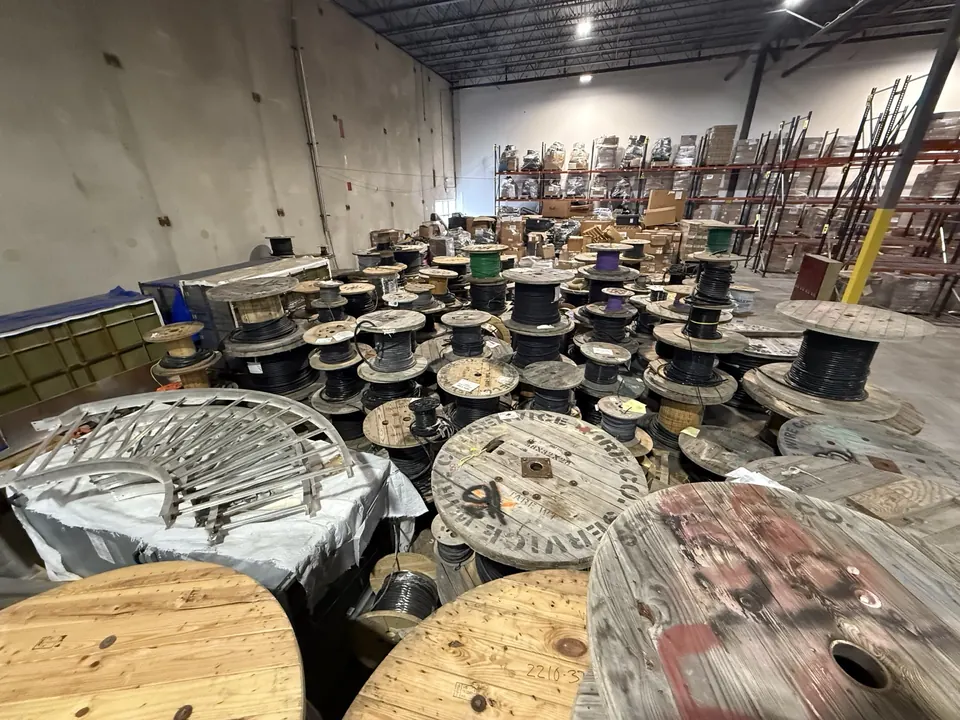
Group building or feeder wire by conductor, gauge or kcmil size, insulation and usable length. Show reel, carton, or pallet counts; photograph readable jacket or reel markings, cut ends, packaging and any damage. Give the actual material location, loading access and available quantity. Reusable inventory and recovery-only wire may require different evaluation.

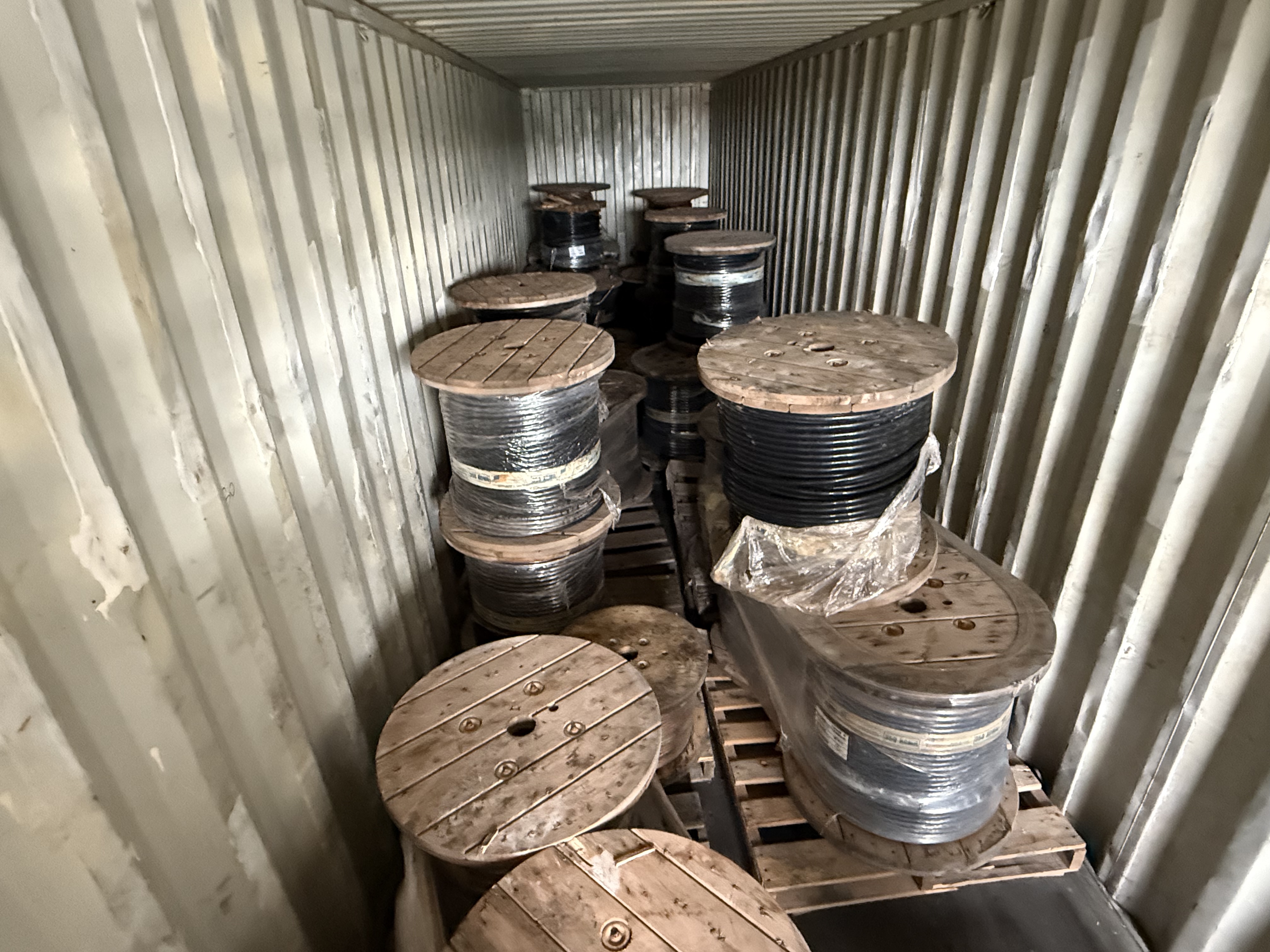
Documented electrical wire inventory prepared for review in Reno, NVElectrical wire reels staged for a documented logistics review

Dry-climate reel evidence with seasonal access for a Reno wire submission

In the Reno area submissions frequently include commercial feeder reels and cartons exposed to sun, wide temperature swings, or seasonal winter access constraints; those environmental factors influence evidence needs. Keep covered feeder reels with intact tags separate from indoor cartons or from unlabeled, weather-affected cable to preserve clarity during inspection. Note whether exterior reels were repeatedly sun-exposed or sheltered intermittently so the dry-climate evidence reflects actual exposure patterns.

Commercial inventory to describe

Covered feeder reels, documented with tags, flange condition, conductor fill, and end appearanceIndoor cartons or coils, listed separately from outdoor-stored materialsWeather-affected or unlabeled cable, isolated for condition-specific review

Identification and preparation evidence

Photograph reel tags, jacket markings, conductor ends, and flange condition with attention to sun-bleaching, heat-related distortion, or broken hardware on exterior reels after dry outdoor storage.Separate counts for dry, protected cartons and those exposed to sunlight, dust, or temperature cycling so the inventory distinguishes indoor stock from reels affected by the dry climate.Provide dated overview and close photos of coverings, ground contact, label legibility, and any thermal damage signs, and include storage records when available to document seasonal access issues.When permitted, move suspect reels under temporary cover and protect exposed ends before photographing; avoid deep inspection that would obscure concealed defects without noting the inspection limits.

Keep the lot traceable from label to total quantity.

Visible jacket and tag legibility, flange and hardware condition, conductor-end appearance, and documented storage environment all shape the evidence-based review in a dry-climate submission. Material with continuous covered storage should be evaluated separately from reels or cartons that show sun or heat exposure and questionable labeling. Assessment outcomes will depend on the submitted tag and photographic evidence plus any records that clarify seasonal access or exposure history.

Describe the site before any logistics are approved.

When seasonal conditions may affect access, state whether reels are covered, the ground or approach condition at the storage point, winter constraints that could limit safe inspection, and the specific equipment present onsite. Describe exterior reel locations relative to nearest access roads or secure gates and any interior staging areas so access implications are explicit for seasonal visits. Confirm who controls site entry and any limitations on when documentation can be completed so inspection planning aligns with those access constraints.

Continue with the relevant material and location records.

How should a Reno, NV seller document reel tags and jackets after dry outdoor storage?

Document reel tags and jackets after dry outdoor storage by separating tagged covered reels from unlabeled units, show close photos of tag text, jacket printing, conductor ends and flange condition, and include dated overview images; evaluation depends on intact tags and clear photographic evidence of storage condition.

What access facts matter when approaching exterior reels when seasonal conditions change in Reno, NV?

When approaching exterior reels during changing seasons, report the storage position, route to the nearest access point, surface and approach dimensions, gate or gatehouse requirements, and the onsite equipment available to reach those reels; any recommended handling approach will require verified site access details and documented permission to enter those exterior locations.

Identify the wire before requesting review.

Select a relevant guide for construction and quantity evidence, or open the complete wire directory if your lot does not fit these common commercial categories.