Nationwide buyers of surplus & used electrical wire · Call 954-740-1983

Electrical Wire Buyers in Eugene, OR

Prepare surplus, used, and leftover electrical wire located in Eugene, Oregon for commercial review, including THHN, XHHW, MC cable, copper, aluminum, and documented mixed lots. Any offer, freight, loading, pickup, timing, and payment terms depend on the submitted material, location, written terms, and approval.

Reuse/recovery separationCopper & aluminumCommercial quantitiesPhoto-based reviewLogistics after approvalDirect buying desk
Inventory Review

Request a Review of Your Surplus Wire

Tell us what you have so the buying desk can determine whether it fits current purchase requirements. Any offer, timing, payment, freight, loading, or pickup arrangement requires written terms and approval.

Not sure of the wire type or metal? Choose the not-sure option, or call 954-740-1983. Keep photos and reel labels ready; this form does not upload photos.

Would rather talk? Call 954-740-1983

Your information goes straight to our buying desk — we never share or sell it.

Separate identifiable wire from recovery-only material.

If your commercial wire lot is located in Eugene, document the material and the party authorized to release it before requesting a buyer review.

Group building or feeder wire by conductor, gauge or kcmil size, insulation and usable length. Show reel, carton, or pallet counts; photograph readable jacket or reel markings, cut ends, packaging and any damage. Give the actual material location, loading access and available quantity. Reusable inventory and recovery-only wire may require different evaluation.

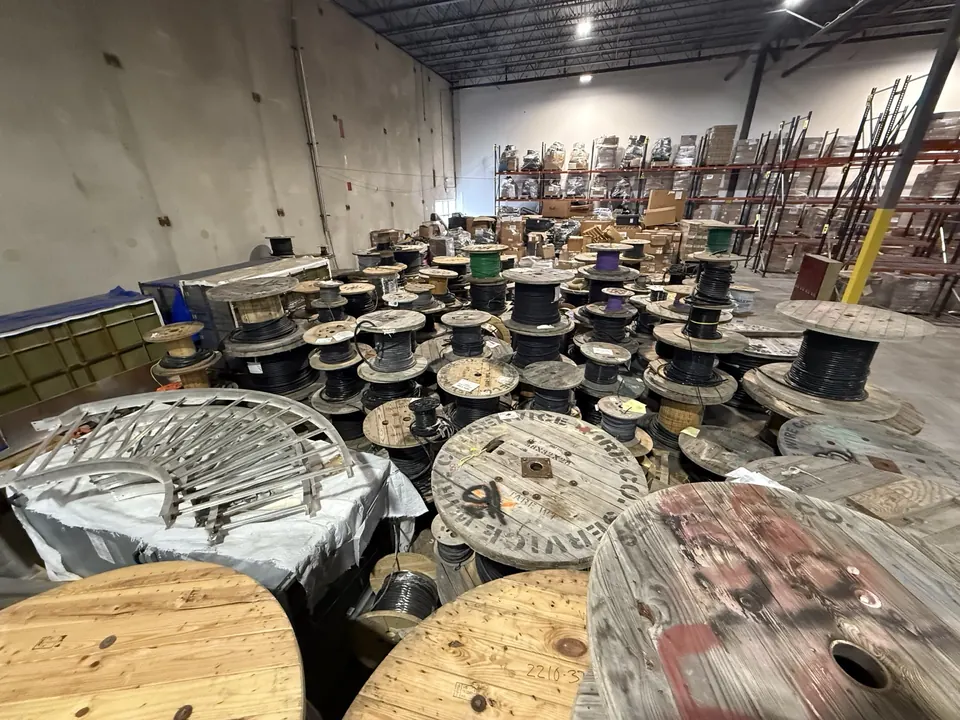
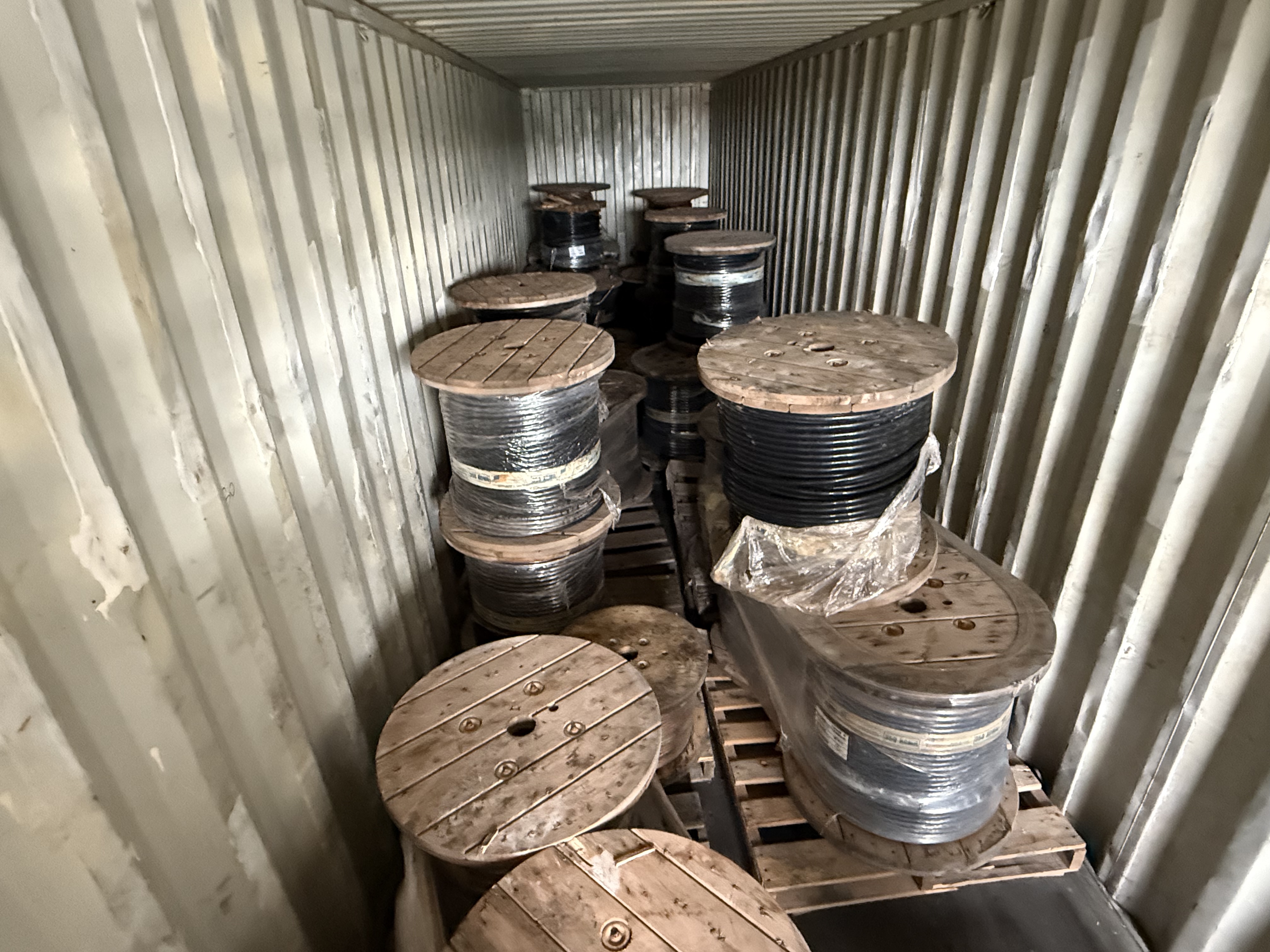
Documented electrical wire inventory prepared for review in Eugene, ORElectrical wire reels staged for a documented logistics review

Covered storage and flexible-cable distinction for a Eugene wire submission

A Eugene submission can include covered building wire and flexible cable with potential outdoor storage or moisture exposure; separate handling units for welding cable, SO/SOW flexible types, and rigid building wire are essential to clarify condition and packaging. Coil-level identification and jacket legends determine whether a cable is being presented as protected stock or as weather-exposed material, so photo and label evidence must speak to those distinctions. Documenting end treatments, jackets, and any signs of contamination per handling unit will preserve the difference between covered storage and potentially wet or damaged cable.

Commercial inventory to describe

Welding cable in individual coils with gauge, jacket condition, and end treatment notedSO/SOW flexible cable grouped by conductor count, gauge, and visible jacket legendRigid building wire and feeder reels listed separately from flexible-cable coils

Identification and preparation evidence

Photograph the entire flexible-cable legend, conductor count markings, gauge or kcmil notation, jacket type, and attached ends so jacket identification is unambiguous for each coil.Record coil count and approximate length per coil while documenting abrasion, flattening, splices, connectors, and any contaminated sections to distinguish usable lengths from compromised cable.Provide full-coil overview shots, jacket close-ups, photos of ends, and a supporting quantity sheet or ownership reference where available to support evaluation of covered versus potentially exposed material.Tag each coil, band compatible lengths together, keep connector-bearing or questionable cable separated, and avoid exposing packaged coils to weather during preparation and staging for inspection.

Keep the lot traceable from label to total quantity.

Visible jacket printing, armor or sheath condition, conductor ends, and packaging integrity shape how flexible and rigid cable are assessed; dry, fully labeled coils will be treated differently than coils showing moisture, abrasion, or uncertain identity. Storage history and documented contamination are relevant to any comparison of documented quantity with expected commercial stock, and quantity precision matters where cuts and mixed coils are present. An informed assessment requires coil-level labeling and photographic evidence that tie jacket legend to quantity and condition for each handling unit.

Describe the site before any logistics are approved.

When material is staged near doors or in a yard, state whether coils are covered, the condition of ground or dock surfaces, seasonal constraints that affect access, and the lifting or staging equipment actually present. Without verified site and equipment details, handling and protection plans cannot be determined; provide the sheltering and ground-condition information that affect safe movement. The seller should clarify how coils will be staged to avoid exposing packages to weather during any transfer or inspection activity.

Continue with the relevant material and location records.

How should a Eugene, OR seller document flexible-cable jackets alongside protected building wire?

Document flexible-cable jackets on separate inventory lines, photograph full jacket legends, record conductor count and gauge, show end treatments and any connectors, provide a length or coil-count basis for quantity, and clearly identify any estimated figures so jacket identity and condition can be assessed.

What access facts matter when staging covered coils without exposing packages to weather in Eugene, OR?

Report precise storage positions, the path and clearances to the loading or inspection point, whether coils are under cover or require temporary shelter, individual coil dimensions or weight that affect handling, and the rated equipment available for staging so covered coils can remain protected during movement.

Identify the wire before requesting review.

Select a relevant guide for construction and quantity evidence, or open the complete wire directory if your lot does not fit these common commercial categories.