Accepted inventory for this route
Copper and aluminum feeder conductorsTray cable and flexible portable power cableTHHN, XHHW, and grounding conductor
Prepare surplus, used, and leftover electrical wire located in Charleston, West Virginia for commercial review, including THHN, XHHW, MC cable, copper, aluminum, and documented mixed lots. Any offer, freight, loading, pickup, timing, and payment terms depend on the submitted material, location, written terms, and approval.
Contractors, demolition firms, facilities, plants, warehouses, distributors, utilities, and authorized project owners may submit documented material located in the Charleston area.
Send clear photos, conductor type, gauge or kcmil size, approximate footage or weight, condition, ownership and release status, and the actual pickup location. Full reels, partial reels, and removed cable are reviewed according to the evidence supplied and current requirements.
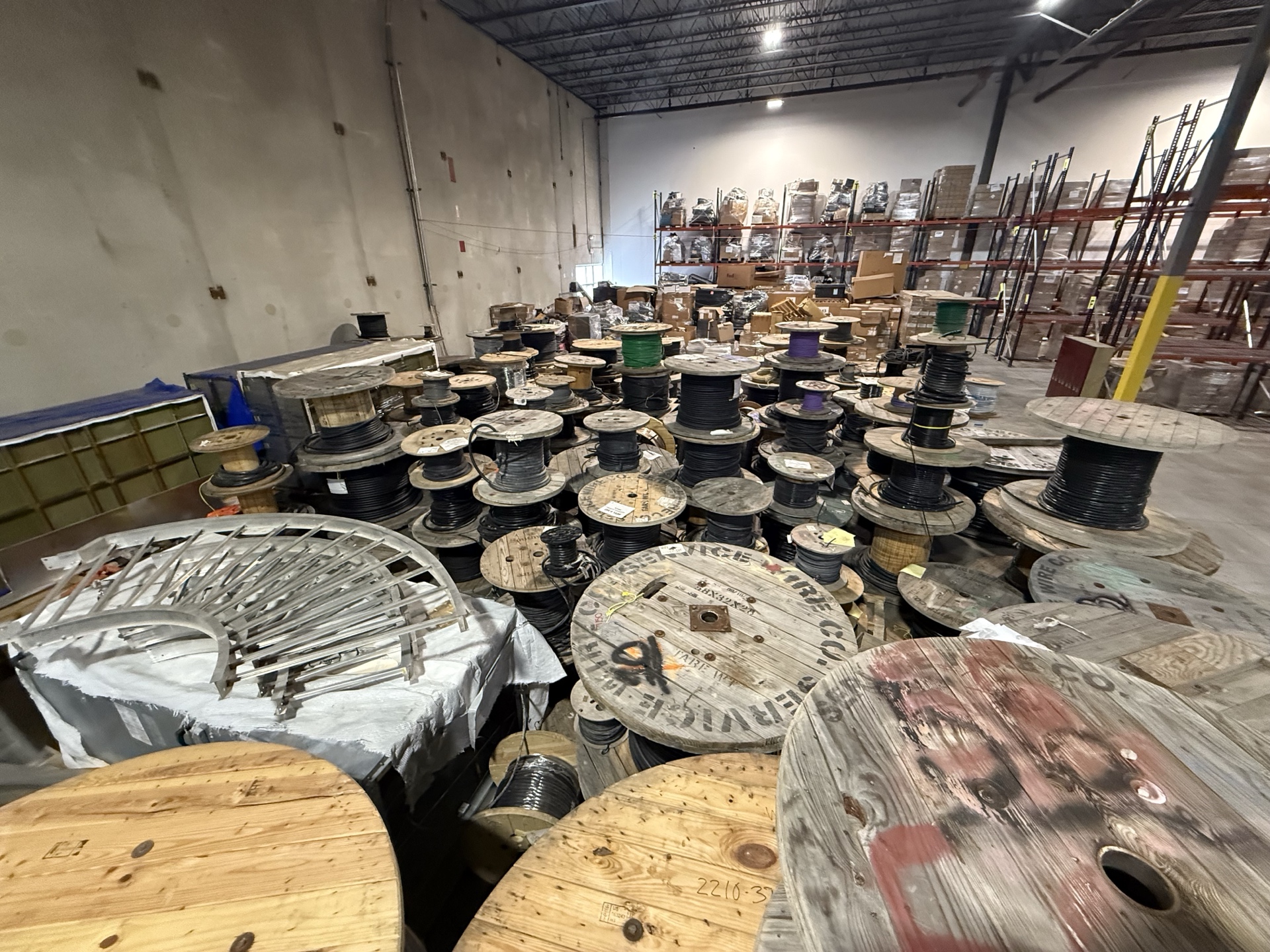
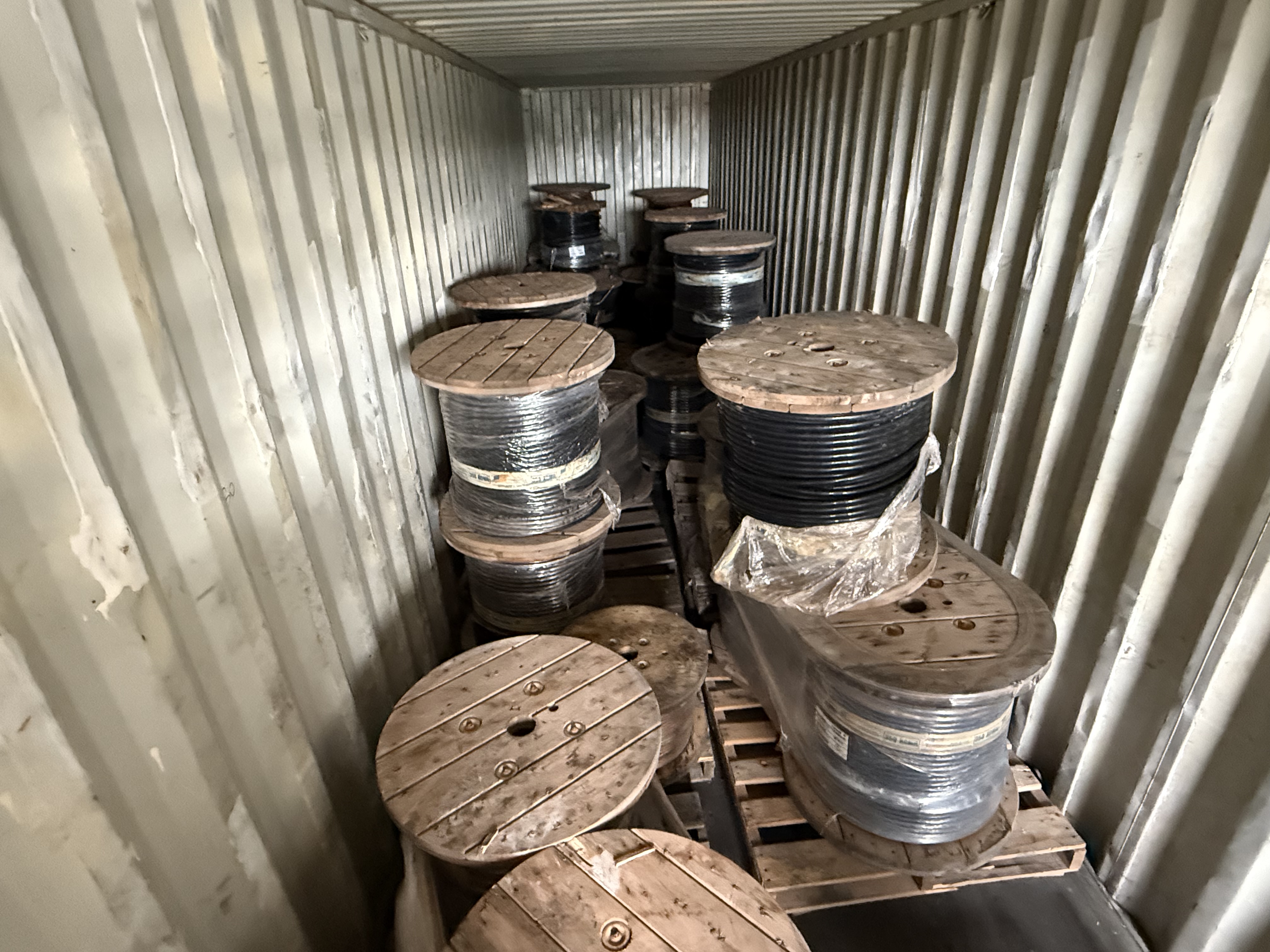
Charleston-area wire lots should separate facility or utility feeder cable from portable cord and ordinary building wire, with careful notes on removed condition and access to heavy reels.
For removed cable, show the jacket legend, clean conductor ends, insulation condition, and any contamination, splices, crushing, heat damage, or water exposure. State whether the material was pulled intact or cut during removal.
Estimate length or weight by cable size and keep intact runs separate from chopped material. Note pull damage, exposed conductor, splices, lugs, and whether terminations can be removed before pickup.
State road and trailer access, slope or yard conditions, reel-handling equipment, facility release procedures, and whether intact lengths can be staged before collection.
Avoid extra cutting when safe and practical. Record intact lengths, size, conductor, insulation, damage, terminations, weight, and how the cable can be moved.