Nationwide buyers of surplus & used electrical wire · Call 954-740-1983

Electrical Wire Buyers in Bridgeport, CT

Prepare surplus, used, and leftover electrical wire located in Bridgeport, Connecticut for commercial review, including THHN, XHHW, MC cable, copper, aluminum, and documented mixed lots. Any offer, freight, loading, pickup, timing, and payment terms depend on the submitted material, location, written terms, and approval.

Reuse/recovery separationCopper & aluminumCommercial quantitiesPhoto-based reviewLogistics after approvalDirect buying desk
Inventory Review

Request a Review of Your Surplus Wire

Tell us what you have so the buying desk can determine whether it fits current purchase requirements. Any offer, timing, payment, freight, loading, or pickup arrangement requires written terms and approval.

Not sure of the wire type or metal? Choose the not-sure option, or call 954-740-1983. Keep photos and reel labels ready; this form does not upload photos.

Would rather talk? Call 954-740-1983

Your information goes straight to our buying desk — we never share or sell it.

Separate identifiable wire from recovery-only material.

If your commercial wire lot is located in Bridgeport, document the material and the party authorized to release it before requesting a buyer review.

Group building or feeder wire by conductor, gauge or kcmil size, insulation and usable length. Show reel, carton, or pallet counts; photograph readable jacket or reel markings, cut ends, packaging and any damage. Give the actual material location, loading access and available quantity. Reusable inventory and recovery-only wire may require different evaluation.

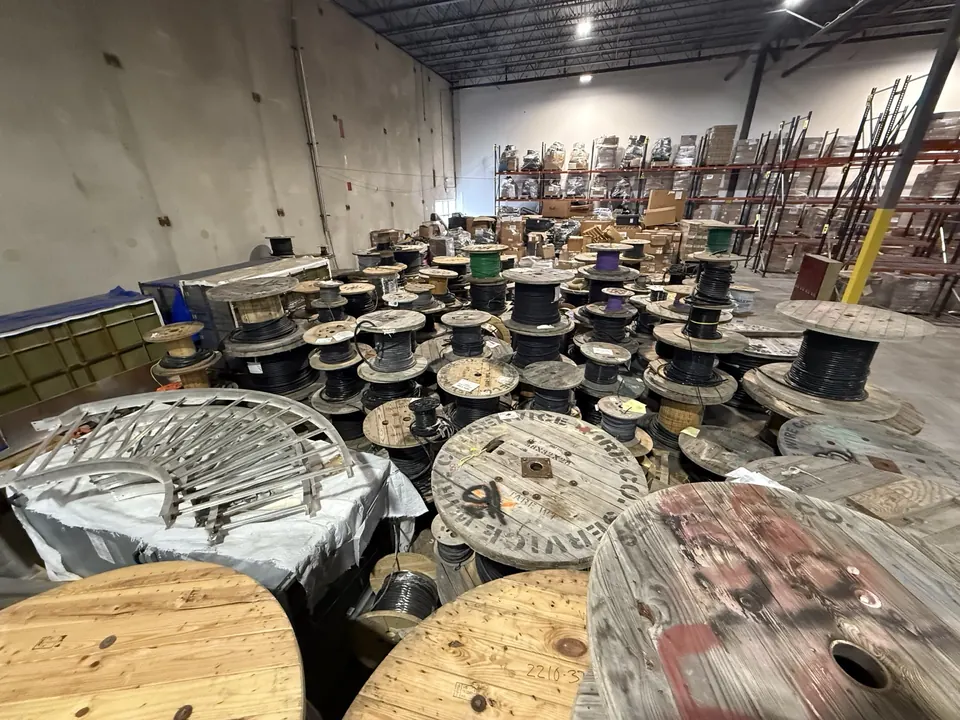
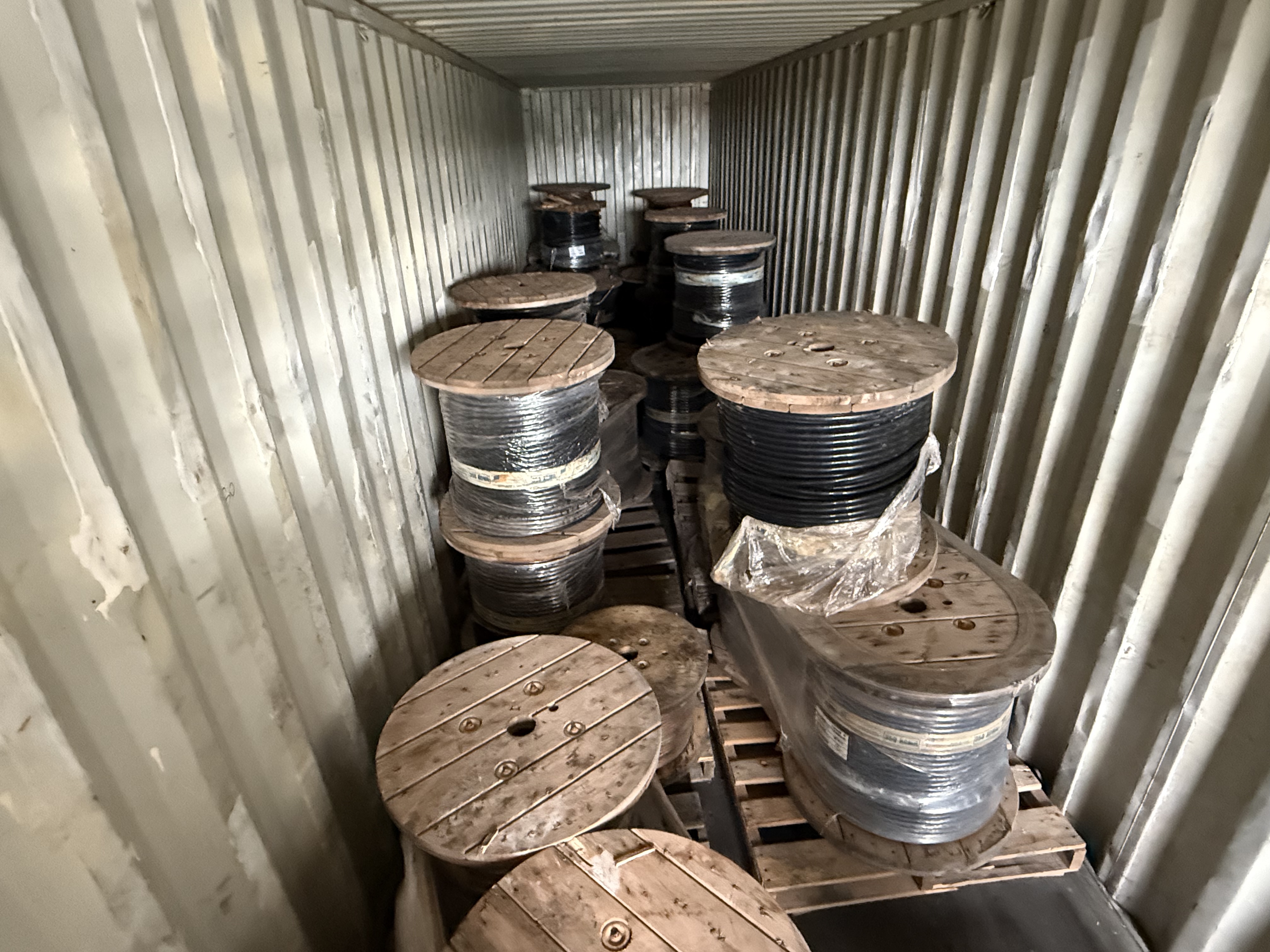
Documented electrical wire inventory prepared for review in Bridgeport, CTElectrical wire reels staged for a documented logistics review

Dense-building removed-wire and armor review for a Bridgeport wire submission

The lot may include removed feeder lengths, MC cable, and compact packaged stock located within a building that has constrained access and circulation. Describe the removed lengths by approximate run length, conductor size, and whether they are coiled, bundled, or laid in manageable segments tied to floors or rooms. Keep unused reels and still-packaged items documented separately from material removed from service so the accessible stock and recovery-grade wire are not mixed in the same inventory line.

Commercial inventory to describe

Long removed feeder runs organized by conductor size and approximate length rangeClean insulated copper separated from short, damaged, or recovery-only materialUnused reels and packaged stock recorded independently from removed-in-place lengths

Identification and preparation evidence

Photograph removed lengths with a measuring reference or scale, show conductor markings and end conditions, and indicate how each run is coiled or bundled for handling.Record the floor, rack, or specific room location for each handling unit and include a wide view that shows doorways, corridor clearance, and proximity to the intended exit route.Include close images of jacket or armor printing, conductor count, and any tags that tie removed runs to an installation location or length estimate.Stage only material that can be moved safely through the building access route, label each floor or room group clearly, and identify outstanding building approvals required to transfer staged items to the transfer point.

Keep the lot traceable from label to total quantity.

Verified continuous footage or measured length evidence often drives assessment for removed feeder runs more than gross weight. The review also weighs damage extent, remaining insulation integrity, packaging, and the difficulty of moving material through constrained vertical or horizontal openings. This route maintains the dense-building removed-wire and armor distinction by flagging items that are traceable by run length separately from packaged or recovery-only material.

Describe the site before any logistics are approved.

For multilevel or access-controlled buildings, provide floor numbers, elevator dimensions, stair clearance, doorway widths, and any appointment or building access protocols that affect movement to a transfer location. Indicate where staged material will be held prior to hand-off and whether building approvals are outstanding for moving items through restricted zones. Final handling and scheduling decisions will rely on confirmed access dimensions and any written building permissions supplied for the lot.

Continue with the relevant material and location records.

How should a Bridgeport, CT seller document removed lengths kept traceable to size and condition?

Document removed lengths traceable to size and condition by listing each run with its approximate length range, photographed conductor ends and jacket printing, and a visual scale or tape measure in images; completeness of the length assessment depends on images that tie run segments to counted or measured footage.

What access facts matter when using narrow doors, elevators, or restricted loading space in Bridgeport, CT?

When using narrow doors, elevators, or restricted loading spaces, record doorway and elevator clearances, corridor widths, stair or ramp constraints, and any building sign-off or appointments required; handling options depend on those confirmed access dimensions and any provided building approvals.

Identify the wire before requesting review.

Select a relevant guide for construction and quantity evidence, or open the complete wire directory if your lot does not fit these common commercial categories.