Accepted inventory for this route
MC cable and copper building wireLarge feeder reels and long removed conductorIndustrial tray cable and warehouse overstock
Prepare surplus, used, and leftover electrical wire located in Baltimore, Maryland for commercial review, including THHN, XHHW, MC cable, copper, aluminum, and documented mixed lots. Any offer, freight, loading, pickup, timing, and payment terms depend on the submitted material, location, written terms, and approval.
Contractors, demolition firms, facilities, plants, warehouses, distributors, utilities, and authorized project owners may submit documented material located in the Baltimore area.
Send clear photos, conductor type, gauge or kcmil size, approximate footage or weight, condition, ownership and release status, and the actual pickup location. Full reels, partial reels, and removed cable are reviewed according to the evidence supplied and current requirements.
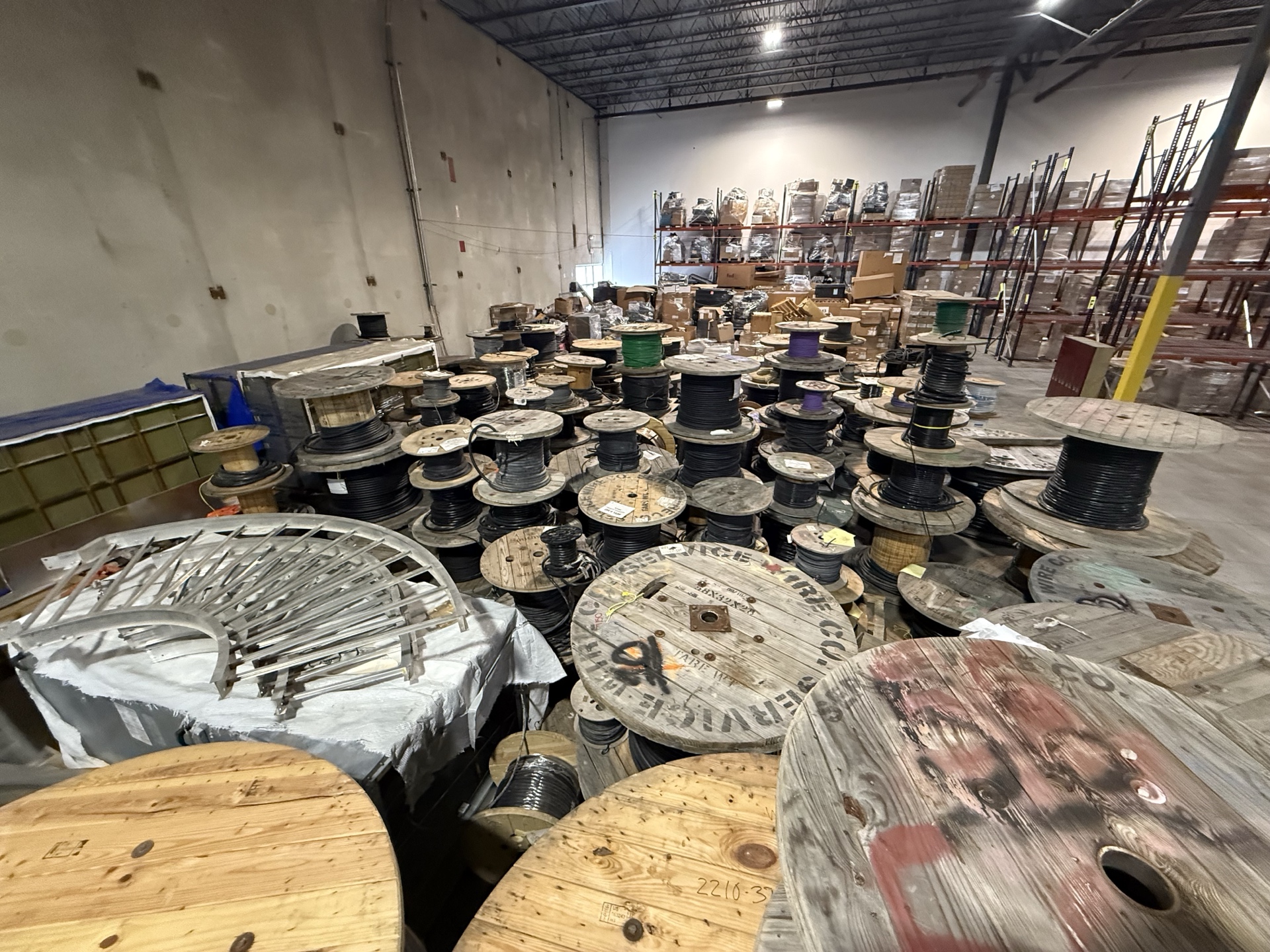
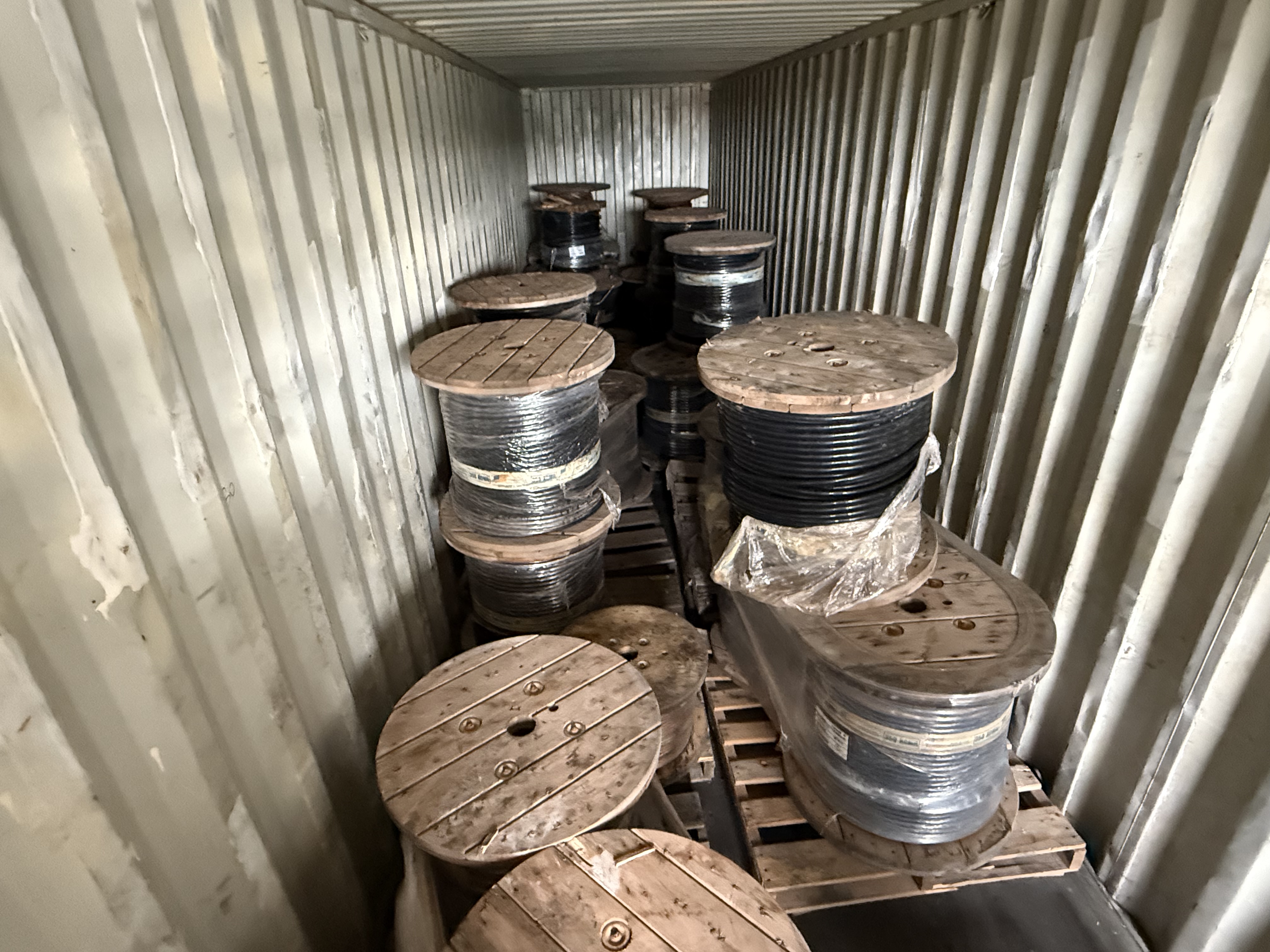
Baltimore-area lots may include contractor surplus, building wire, feeder cable, industrial facility inventory, warehouse stock, and removed-from-service conductor.
Baltimore-area sellers should identify warehouse, facility, or contractor surplus separately from removed building cable, and document whether reels or bundles can be staged at a dock or ground-level door.
For removed cable, show the jacket legend, clean conductor ends, insulation condition, and any contamination, splices, crushing, heat damage, or water exposure. State whether the material was pulled intact or cut during removal.
Sort usable cut lengths from short scrap pieces and record the approximate length range for each size. Long, identifiable cuts can be evaluated differently from tangled, damaged, or unlabeled material.
Report floor level, dock and trailer clearance, alley or gate limitations, palletization, lifting equipment, reel weight, and required pickup appointments.
Yes. Provide expected sizes and lengths, photos of representative installed or removed cable, removal method, schedule, staging plan, and access conditions.
Baltimore-area material may come from contractor stock, warehouses, facilities, or building removal. MC cable, copper building wire, feeder reels, long removed conductor, and tray cable should be separated before the lot is assigned one quantity or loading plan.
Count labels, cartons, coils, pallets, reel tags, opened packages, mixed SKUs, rack position, and staged quantity.
Record conductor, size, insulation, intact length, damage, splices, terminations, contamination, bundle weight, ownership, and release.
State floor or yard, doors, dock, alley, gate, trailer clearance, parking, appointments, weights, forklift or crane capacity, and loading responsibility.
Provide pallet, reel, and bundle weights, rack removal, floor and doorway limits, dock or alley timing, gate and trailer access, equipment ratings, site rules, release date, and who stages and loads the material.
When safe and practical, avoid extra cutting. Record size, conductor, insulation, intact length, damage, ends, terminations, weight, bundling, access, and release before changing it.
Provide legal access time, width and height limits, parking or gate rules, dock position, trailer space, weights, labor, forklift or crane rating, appointments, and staging responsibility.